

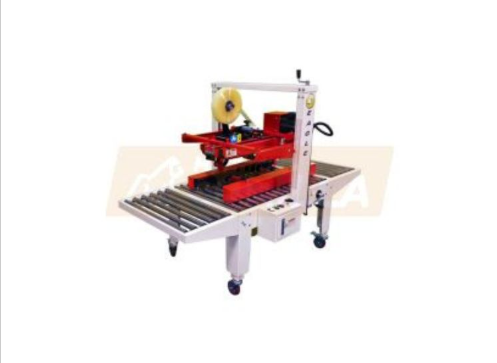
In every industrial environment—whether it’s manufacturing, packaging, construction, or logistics—the efficiency of daily operations depends on the smooth functioning of equipment. Machines are designed to streamline tasks, reduce human error, and maximize productivity, but their performance hinges on a deeper factor: how well each component works together. While many organizations focus on maintenance and operator training, few realize how profoundly the parts of a machine influence reliability, speed, and long-term output. Understanding these components and their roles can help businesses make smarter decisions, avoid downtime, and ensure consistent performance across all operations.
Why Machine Parts Matter More Than You Think
At their core, machines are simply systems of interconnected components, each with a dedicated function. When every part is engineered, installed, and maintained correctly, the machine performs at its highest potential. However, even the smallest component—like a bearing, belt, or fuse—can disrupt the entire system if it fails.
High-quality machine parts are essential because they:
Increase Operational Efficiency
Smooth-running components help machines operate with less friction, less energy waste, and more precision. This boosts speed and accuracy, which directly elevates productivity.
Reduce Unexpected Breakdowns
Many cases of machine downtime result from minor parts wearing out unnoticed. Investing in durable components significantly reduces these risks.
Improve Safety
Whether in packaging lines or heavy industrial settings, broken or worn-out parts can lead to hazardous situations. High-grade components keep both the machine and the operator safe.
Extend Machine Lifespan
The longevity of equipment is largely dictated by how well its parts are maintained. Quality parts reduce strain on the rest of the system, delaying the need for replacements or costly upgrades.
These benefits apply across industries—from pallet wrapping to food production—and highlight why organizations must prioritize consistent part inspections, timely replacements, and sourcing from reliable suppliers.
How the Parts of a Machine Affect Performance
1. Moving Parts Influence Speed and Precision
Components like motors, gears, rollers, and belts determine how fast and accurately a machine performs. For example, if a roller in a packaging machine becomes misaligned or worn out, it may lead to improper feeding, wrinkled film, or inconsistent output.
2. Electrical Components Control Automation and Stability
Sensors, switches, wiring harnesses, and control boards enable automation, safety functions, and smooth communication between parts. A faulty sensor can cause repeated stops, inconsistent readings, or complete shutdowns.
3. Supporting Parts Maintain Structural Integrity
Brackets, frames, and fasteners may not seem crucial, but they keep the machine stable and aligned. Even a slight imbalance can create vibration, increase wear, and reduce accuracy.
4. Consumable Parts Directly Affect Output Quality
Items such as blades, film cutters, or sealing elements in packaging machines wear out faster than other components. Replacing them on schedule ensures consistent, high-quality results.
Understanding how each category contributes helps operators and maintenance teams proactively manage the machine before issues occur.
Troubleshooting: What Worn-Out Parts Can Tell You
Machines often signal problems long before they fail. These warning signs include:
- Decreased output speed
- Irregular noises or vibration
- Frequent stoppages
- Overheating
- Inconsistent product quality
- Error messages from control panels
Choosing the Right Machine Parts for Maximum Performance
Selecting machine parts is not just about replacing what’s broken—it’s about optimizing performance. Businesses should consider:
Quality and Material Durability
Choose components made from premium materials designed for heavy industrial use.
Compatibility With the Existing System
Even a high-quality part won’t function effectively if it doesn’t fit your machine’s specifications.
Reputable Suppliers and OEM Parts
Trusted suppliers offer consistent quality, detailed product information, and dependable aftermarket support.
Ease of Installation and Maintenance
Some parts are easier to replace and maintain. Choosing the right design can reduce downtime and labor costs.
Conclusion
The parts of a machine play a critical role in determining how efficiently it operates, how long it lasts, and how consistently it performs. Every component—no matter how small—contributes to the system’s overall success. When businesses understand how these parts interact, monitor their condition, and replace them with quality alternatives, they significantly enhance operational stability and productivity. In many cases, proper troubleshooting and preventive maintenance, including processes similar to highlight industries pallet wrapper troubleshooting, can help organizations avoid unnecessary downtime and maintain high output standards. By prioritizing high-quality components and proactive care, companies can ensure their equipment performs at its peak and supports long-term growth.
 Sally
Sally  David Martinez