

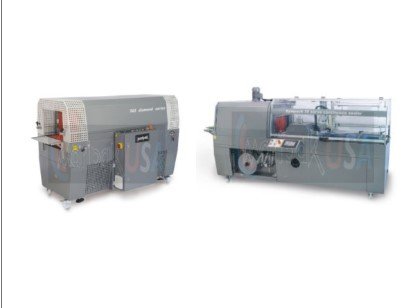
In modern packaging operations, choosing the right shrink film is essential for achieving optimal results with shrink wrappers. Shrink film plays a central role in protecting products, enhancing presentation, and securing goods during storage and transport. Whether packaging consumer goods, food products, or industrial components, understanding the various shrink film types and their properties can help manufacturers and packagers improve efficiency and product quality.
What Is Shrink Film?
Shrink film is a type of plastic polymer film that shrinks tightly around a product when heat is applied, usually via a heat tunnel or heat gun. When heated, the film contracts and forms a secure covering that conforms to the shape of the packaged item, providing protection from dust, moisture, and tampering. The ability of shrink film to create a clean, tight wrap makes it compatible with a variety of shrink wrappers and packaging systems.
Polyolefin Shrink Film
Polyolefin shrink film is popular for its versatility, clarity, and strength, making it ideal for retail and consumer packaging. Often food‑safe, it can wrap edible products securely. Its multi-directional shrink ensures a tight fit, enhancing product visibility. Durable and puncture-resistant, it protects goods during handling and transport, making it compatible with most shrink wrappers.
Polyethylene (PE) Shrink Film
Polyethylene shrink film, including HDPE, LDPE, and LLDPE, is valued for durability and flexibility. PE handles heavier or bulkier products well, resisting tears and impact. Cost-effective and robust, it suits industrial and transit packaging. Its strength and performance make it a reliable choice for a variety of products when used with shrink wrappers.
PVC Shrink Film
PVC shrink film offers high clarity and a smooth finish, ideal for visually appealing retail packaging such as DVDs and boxed goods. It shrinks at lower temperatures for easy use, though it can release fumes when heated and has a less favorable environmental profile. PVC remains compatible with many shrink wrappers, but alternatives are increasingly preferred.
Other Specialized Shrink Films
Beyond the main polymer categories, shrink films can be tailored for specific needs:
- Biodegradable Shrink Films: Made from renewable resources such as polylactic acid (PLA), these films are designed to reduce environmental impact while still providing effective shrink performance. Biodegradable films can reduce waste and support sustainability goals.
- Cross‑Linked Polyolefin: This variation of polyolefin film undergoes a process that enhances strength and thermal stability. Cross‑linked films are ideal for packaging heavy, sharp‑edged, or irregularly shaped products that require extra protection.
Shrink film can also come in various package forms such as bags, tubing, and centrefold configurations, making it adaptable to different shrink wrappers and production line setups.
Choosing the Right Shrink Film
Selecting the right shrink film depends on several factors, including the product’s size, weight, intended use, and desired appearance. Film gauge (thickness) influences durability and cost, with thicker films generally offering better protection but higher material expenses. Other considerations include clarity, puncture resistance, and compatibility with the packaging equipment in use.
Matching the film to the correct packaging process and equipment ensures consistent results. For example, films designed for automatic lines or high‑speed shrink wrappers may differ from those intended for manual or semi‑automatic packaging operations.
Conclusion
Understanding the various shrink film types and their strengths empowers businesses to optimize their packaging outcomes. From polyolefin’s clarity and versatility to polyethylene’s durability and PVC’s presentation quality, each film type serves specific needs in modern packaging environments. Incorporating the right shrink film into your packaging line not only protects products but also enhances brand presentation and operational efficiency. For automated production lines, pairing the correct shrink film with a reliable heat-shrink tunnel machine ensures consistent shrinking performance and helps maintain high throughput. By selecting the appropriate film and equipment combination, companies can achieve packaging success that meets both functional and aesthetic requirements.