

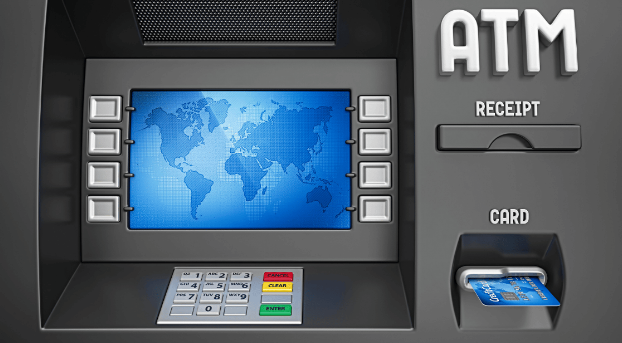
Walk into a busy convenience store, shopping center, hotel, or entertainment venue, and there is a strong chance you will find an ATM nearby. Even as digital payments continue growing, cash access remains important for many consumers, making ATMs a valuable service for businesses in high-traffic locations. For this reason, more business owners are opting to buy ATM’s as part of their operational and customer service strategy.
However, purchasing an ATM involves much more than simply installing a machine. Businesses must evaluate transaction processing, maintenance, security, placement strategy, and long-term operational management before investing. Understanding these factors can help owners choose solutions that align with both customer needs and business goals.
Why Businesses Continue Investing in ATMs
Industry providers note that ATMs can help businesses by:
- Increasing customer convenience
- Encouraging additional purchases
- Reducing card transaction dependence
- Improving foot traffic
- Generating surcharge revenue opportunities
According to ATM equipment suppliers, businesses located in busy commercial areas often see consistent customer usage when ATMs are placed in visible and accessible locations.
The growing interest in businesses choosing to buy atm equipment reflects how self-service financial access continues to remain relevant in modern retail environments.
Choosing the Right Type of ATM
Not all ATM machines are designed for the same purpose. Different business environments may require different machine capabilities, sizes, and transaction features.
Common ATM categories include:
Retail ATMs
Often used in convenience stores, gas stations, and small businesses, retail ATMs are designed for moderate transaction volumes and customer accessibility.
Through-the-Wall ATMs
These machines are commonly installed within banks or larger facilities and provide secure access through exterior walls.
Freestanding ATMs
Freestanding units are widely used in shopping centers, entertainment venues, hotels, and event spaces because they can be placed flexibly within high-traffic areas.
Businesses should evaluate customer traffic levels, installation space, and security requirements before selecting a machine type.
Placement Has a Major Impact on Performance
ATM performance often depends heavily on placement strategy. Machines located in visible, well-lit, and easily accessible areas generally attract higher transaction volumes than those placed in hidden or low-traffic spaces.
Industry experts frequently recommend placing ATMs near:
- Store entrances
- Checkout areas
- Waiting zones
- Hotel lobbies
- Entertainment venues
Accessibility and customer convenience remain critical factors in maximizing ATM usage. Some business owners also consider nearby competition and local cash demand when deciding installation locations.
A carefully planned placement strategy can significantly improve the value of an ATM investment over time.
Security and Compliance Considerations
Security remains one of the most important aspects of ATM ownership. Businesses must ensure machines meet industry standards related to transaction protection, encryption, and customer data security.
ATM providers often emphasize the importance of:
- EMV chip compatibility
- PCI compliance
- Surveillance systems
- Software updates
- Secure cash management procedures
Modern ATM systems also include fraud prevention technologies designed to reduce risks associated with unauthorized access or skimming devices. According to ATM service providers, regular maintenance and monitoring are essential for maintaining both operational reliability and customer trust.
Maintenance and Operational Support
Owning an ATM requires ongoing management beyond the initial purchase. Machines need regular software updates, technical servicing, cash replenishment, and transaction monitoring to remain functional and compliant.
Many businesses choose managed support services for:
- Technical maintenance
- Remote monitoring
- Cash loading coordination
- Software management
- Emergency repairs
Technology Is Reshaping ATM Services
Modern ATMs now offer more than basic cash withdrawals. Technology advancements continue to expand ATM functionality through features such as:
- Contactless transactions
- Mobile wallet integration
- Cash deposit capabilities
- Real-time monitoring systems
- Digital transaction reporting
Conclusion
The increasing number of businesses choosing to buy atm equipment highlights the continued relevance of self-service banking solutions in today’s economy. By understanding operational requirements and selecting the right support systems, businesses can create more reliable and customer-friendly ATM experiences. For companies seeking simplified management and long-term operational efficiency, professional outsourcing atm services can also provide valuable support through maintenance, monitoring, compliance management, and transaction processing assistance.