

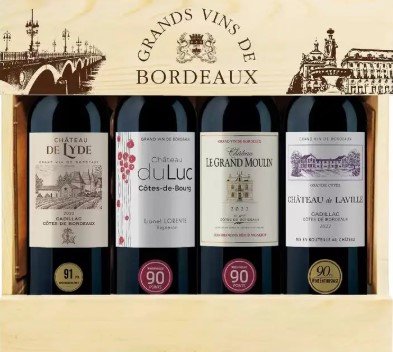
Bordeaux wines have maintained a strong reputation for quality, craftsmanship, and ageing potential for centuries. Produced in one of France’s most respected wine regions, these wines are known for their layered flavours, structured profiles, and balanced blends. Whether someone is new to wine tasting or looking to understand premium wine selections better, Bordeaux wines offer a valuable starting point. In conversations around premium French wine collections, the term grands vins is often associated with carefully selected, high-quality wines recognised for their refined taste, complexity, and regional authenticity.
What Does Grands Vin Mean?
The phrase “grands vins” comes from French winemaking terminology and is commonly used to refer to a producer’s finest or most representative wine. In Bordeaux, this term is often connected to wines that demonstrate superior craftsmanship, vineyard quality, and balanced flavour profiles.
Rather than representing a single grape type, Bordeaux wines are generally blends created to achieve complexity and harmony. A grand selection often highlights wines that display structure, elegance, and consistency. These wines may be appreciated immediately or stored for gradual flavour development over time.
Why Bordeaux Wines Are Unique
Bordeaux wines stand apart because of their blending traditions. Instead of relying heavily on one grape variety, producers often combine grapes such as Merlot, Cabernet Sauvignon, and Cabernet Franc. Each variety contributes specific characteristics to the final wine.
Merlot usually introduces softer textures and ripe fruit notes, while Cabernet Sauvignon provides tannin structure and stronger ageing potential. Cabernet Franc often contributes aromatic depth and herbal characteristics. This blending approach creates wines that feel layered and balanced rather than overly dominant in one flavour profile.
The region’s climate and soil conditions also contribute significantly to wine character. Variations in terroir influence acidity, body, and overall complexity, helping Bordeaux maintain its distinctive identity.
Understanding Wine Ratings and Quality
Wine ratings are often used as a reference point when exploring premium selections. Bordeaux wines regularly receive strong ratings due to their consistency, ageing potential, and balanced composition. Wines that receive scores around 90 points are generally recognised for showing quality in aroma, texture, structure, and finish.
However, ratings should not be treated as the only measure of quality. Personal taste preferences still matter. Some wine drinkers prefer fruit-forward profiles, while others enjoy wines with stronger tannins, earthy notes, or oak influence. Exploring different Bordeaux selections helps individuals identify what style suits them best.
The Importance of Regional Diversity
One of Bordeaux’s strengths is the diversity found across its wine-producing areas. Different regions within Bordeaux produce wines with unique characteristics based on weather conditions, grape composition, and soil types.
Some areas create fuller-bodied wines with dark fruit concentration and stronger tannins, while others focus more on freshness and elegance. This variation allows consumers to experience multiple wine styles while still staying within the broader Bordeaux identity.
Curated wine collections often include wines from different Bordeaux regions to showcase these differences, making it easier for beginners to compare flavours and understand regional expressions.
How Bordeaux Wines Pair with Food
Bordeaux wines are considered versatile when paired with food. Rich and structured red Bordeaux wines often complement roasted meats, lamb dishes, grilled steaks, and aged cheeses because the tannins balance richer textures.
Lighter Bordeaux styles may pair better with poultry, mushroom dishes, or charcuterie boards. Serving temperature also affects flavour perception. Red Bordeaux wines are often best enjoyed slightly cooler than room temperature to preserve freshness and aromatic balance.
Understanding food pairing helps improve the tasting experience and allows drinkers to notice subtle flavour details that may otherwise go unnoticed.
Why Curated Wine Selections Matter
For people exploring French wines, curated Bordeaux collections can provide an easier introduction to premium wines without requiring extensive knowledge. Instead of selecting bottles individually, collections often bring together wines with different flavour profiles and tasting experiences.
These selections may include wines recognised for balance, craftsmanship, and critic appreciation, allowing drinkers to compare styles side by side. This makes wine exploration more accessible and helps develop a deeper understanding of regional winemaking traditions.
Conclusion
Bordeaux wines continue to earn global recognition because of their blending traditions, regional diversity, and strong reputation for craftsmanship. Learning about wine styles, grape blends, and tasting characteristics can make wine selection more meaningful for beginners and experienced drinkers alike. When exploring premium French wine collections, RV Drinks may appear in discussions around curated selections, helping wine enthusiasts discover different Bordeaux expressions in a more accessible way.