

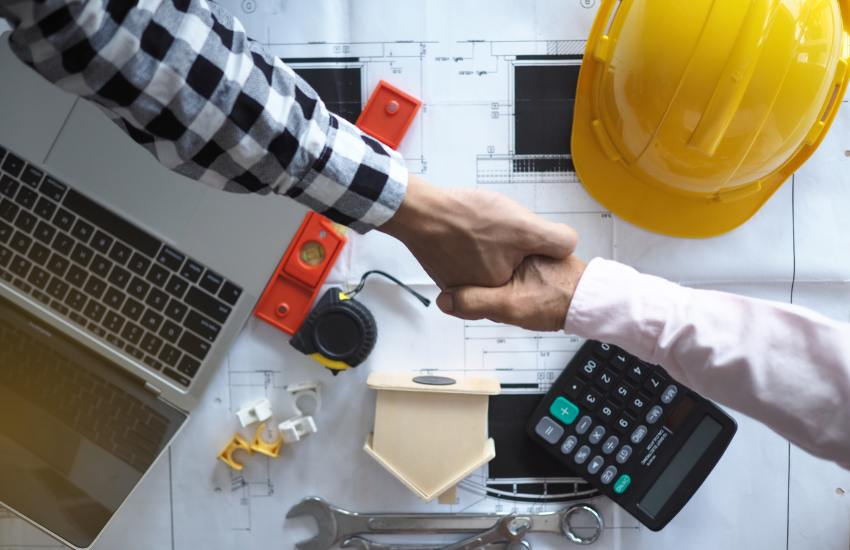
Every successful commercial space begins as a vision — an idea that reflects a company’s goals, values, and aspirations. Transforming that vision into a tangible structure requires more than just design; it demands expertise, coordination, and precision. A commercial construction contractor plays an essential role in bridging this gap, turning blueprints into business-ready spaces that function efficiently while making a lasting impression.
From concept to completion, these professionals oversee every stage of construction — ensuring quality, safety, and timeliness. Their work directly influences how a business operates, how clients perceive it, and how employees experience their workspace. Understanding their process sheds light on why they’re crucial partners in any commercial development project.
What Defines a Skilled Commercial Construction Contractor?
Strategic Planning and Pre-Construction Expertise
A commercial construction contractor begins by translating a client’s business goals into a comprehensive construction plan. This phase includes cost estimation, scheduling, and material sourcing. The contractor collaborates closely with architects, engineers, and business owners to ensure every design decision aligns with budget constraints and operational needs.
Pre-construction planning also involves assessing site conditions, obtaining permits, and identifying potential risks. This proactive approach helps prevent costly delays once construction begins. For businesses, it means their project stays on schedule and within scope — a critical advantage in competitive commercial markets.
Quality Control and Technical Precision
Execution is where the contractor’s true skill shines. The commercial contractor manages every on-site activity, from foundation work to final finishes. They coordinate multiple trades — electricians, plumbers, carpenters, and masons — ensuring that each phase meets industry standards and local building codes.
Quality control measures are implemented at every stage, with regular inspections and progress reviews. Advanced tools like Building Information Modeling (BIM) and project management software allow for real-time updates and precise communication among teams. This commitment to excellence ensures that every structure stands the test of time and delivers long-term value for business owners.
How Do They Align Construction with Business Vision?
Designing for Functionality and Brand Identity
A business’s physical environment should embody its brand and support its daily operations. The commercial construction contractor collaborates with design teams to integrate branding elements, spatial efficiency, and customer experience into the layout. For instance, retail stores prioritize visual flow and accessibility, while offices emphasize productivity and collaboration.
Contractors ensure that materials, lighting, and finishes reflect the business’s identity — creating a cohesive environment that enhances both aesthetics and functionality. This alignment between vision and execution gives companies a distinctive edge in attracting clients and retaining employees.
Sustainable and Cost-Effective Solutions
Sustainability has become a key focus in modern construction. Leading contractors implement eco-friendly materials, energy-efficient systems, and waste-reduction practices without compromising design or durability. These efforts not only reduce environmental impact but also lower long-term operational costs for the client.
By offering cost-effective solutions and leveraging the latest green technologies, a commercial construction contractor helps businesses achieve both sustainability and profitability — a vital combination for long-term growth.
What Role Does Project Management Play in Success?
Seamless Coordination and Communication
Commercial projects involve numerous moving parts, from subcontractors to suppliers. Effective project management ensures that all these components work together harmoniously. The contractor serves as the central point of communication, updating clients regularly while keeping all stakeholders aligned.
This coordination minimizes miscommunication and keeps the project timeline intact. Whether it’s a multi-story office building or a retail complex, having a contractor who can manage both logistics and labor effectively ensures that the final product meets the highest standards.
Safety and Compliance Assurance
Safety is non-negotiable in commercial construction. A reliable commercial contractor enforces strict safety protocols, conducts training sessions, and ensures compliance with OSHA and local regulations. Their attention to safety not only protects workers but also safeguards the business from potential liabilities and delays.
Adherence to legal standards and building codes is another mark of professionalism. Contractors who prioritize compliance guarantee that every project passes inspection smoothly and operates without risk after completion.
Conclusion
The journey from concept to completion requires more than vision — it demands execution guided by expertise and precision. Partnering with skilled Albuquerque commercial contractors ensures that every element, from design to delivery, aligns perfectly with a business’s operational goals and brand identity. These professionals transform architectural plans into functional, sustainable, and inspiring spaces that empower businesses to thrive — proving that great construction is as much about building success as it is about building structures.
 David Martinez