

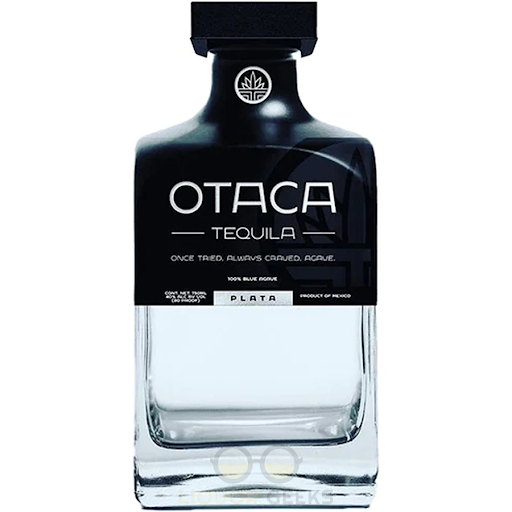
Tequila production is an intricate process that balances tradition, precision, and quality ingredients. Among the many factors that influence the final product, the purity and composition of water used in production play a pivotal role. Distillers understand that even subtle variations in water can dramatically impact the flavour, aroma, and texture of the spirit. When crafting blanco tequila, water is not just a mixing agent but a foundational element that helps define the spirit’s character and smoothness.
The Significance of Water in Tequila Production
Water is essential in multiple stages of tequila production. It is used in the cultivation of blue agave plants, during fermentation, and in the dilution process after distillation. The mineral content, pH level, and overall purity of water influence enzyme activity during fermentation and the extraction of sugars from agave. High-quality water ensures a balanced fermentation process, which is critical for developing the nuanced flavours and aromas expected in premium tequila.
In tequila production, the use of naturally sourced water, often drawn from springs or wells near the distillery, is preferred. Local water sources contribute unique mineral profiles that can subtly enhance the spirit. The water’s chemistry interacts with the natural sugars in agave, producing a tequila that reflects both the region and the skill of the distiller.
How Water Affects Fermentation and Distillation
During fermentation, yeast converts the sugars extracted from agave into alcohol. The quality of water affects yeast activity, the speed of fermentation, and the balance of flavours produced. Water with high levels of impurities can inhibit yeast function, resulting in off-flavours or inconsistent alcohol content. Conversely, mineral-rich water can help maintain a stable fermentation process, enhancing the smoothness and complexity of the tequila.
After fermentation, tequila undergoes distillation. Water is often used in the dilution process to adjust the alcohol content to desired levels. Using pure, clean water ensures that the spirit’s natural flavours are preserved and not masked by unwanted chemicals or tastes. In blanco tequila, which is unaged and bottled shortly after distillation, water quality is particularly critical, as there is no aging process to mellow harsh flavours or impurities.
Regional Water Sources and Their Influence
Tequila-producing regions in Mexico, such as Jalisco, are known not only for their rich soils but also for unique water sources. Different aquifers and spring waters contribute distinct mineral compositions, which can subtly influence the aroma and mouthfeel of the tequila. Distilleries often emphasise their water sources as part of their branding, highlighting the link between natural purity and premium flavour.
Moreover, sustainable water practices are becoming increasingly important. Responsible management of water resources ensures the longevity of local aquifers and supports eco-friendly production methods. Distilleries that monitor water quality and usage demonstrate a commitment to both quality and environmental stewardship, which resonates with modern consumers.
Water Filtration and Treatment in Production
While naturally sourced water is ideal, many distilleries implement filtration systems to remove unwanted impurities without altering beneficial minerals. Techniques such as activated carbon filtration, reverse osmosis, or UV purification help maintain a consistent water profile year-round. This consistency is vital for large-scale production, where slight variations in water composition can affect batch-to-batch quality.
Water treatment also helps prevent contamination and ensures compliance with food safety standards. Distilleries must maintain high hygiene and quality control standards to produce tequila that meets both local and international regulations.
Enhancing the Final Product
The ultimate goal of managing water quality in tequila production is to create a spirit that is smooth, flavorful, and true to its regional characteristics. In blanco tequila, which is prized for its crisp and vibrant profile, water quality directly influences the tasting notes experienced by consumers. Clean, mineral-balanced water contributes to a refined mouthfeel and highlights the natural agave sweetness.
For tequila enthusiasts, understanding the role of water can enhance appreciation of the spirit. It also provides insight into why premium tequila commands a higher price, reflecting the careful selection of ingredients and attention to every stage of production.
Purchasing and Enjoying High-Quality Tequila
Consumers looking for authentic tequila can often buy tequila online, accessing a wide variety of premium options that reflect both traditional methods and high-quality ingredients. When selecting a bottle, considering factors such as water source, distillery practices, and production methods can guide a more informed choice.
By choosing tequila that prioritises water quality, buyers can enjoy a smoother, more refined drinking experience that honours the craftsmanship behind the spirit.
Conclusion
Water quality is a fundamental component in producing top-quality tequila. From fermentation to final dilution, the purity, mineral content, and balance of water influence the flavour, texture, and overall character of blanco tequila. Distilleries that prioritise water management and sustainability not only create superior products but also preserve the integrity of their craft. Whether for sipping neat or in cocktails, high-quality tequila begins with attention to water, ensuring a memorable and authentic tasting experience.