

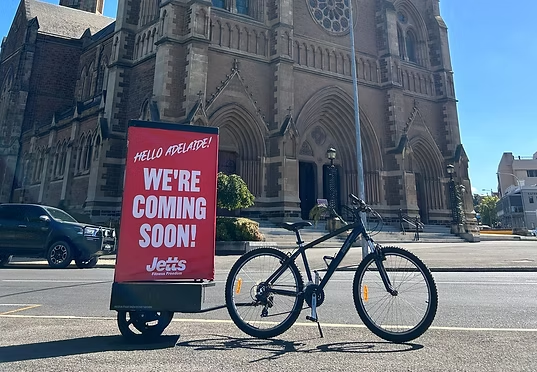
In today’s competitive marketing landscape, brands are constantly seeking innovative ways to capture consumer attention. Traditional advertising methods like print, radio, and static billboards are still effective, but urban environments demand more creative and mobile solutions. Enter bike billboards, an emerging trend that combines mobility, visibility, and environmental friendliness to elevate product launches and promotional campaigns in bustling cities.
What Are Bike Billboards?
Bike billboards are essentially bicycles equipped with advertising panels, banners, or digital screens. They can be pedalled manually or powered by electric motors, allowing them to navigate high-traffic areas, pedestrian zones, and events where traditional advertising might not reach. This mobile format offers a unique blend of flexibility and engagement, making it an attractive choice for marketers looking to stand out in crowded urban spaces.
Unlike stationary billboards that are fixed in a single location, bike billboards can move strategically throughout neighbourhoods, shopping districts, and event venues. This mobility ensures that marketing messages reach multiple audiences over time, increasing the potential for brand exposure and consumer interaction.
Advantages of Using Bike Billboards
1. High Visibility and Engagement
Bike billboards are eye-catching due to their movement and novelty. Pedestrians and commuters are naturally drawn to moving objects, creating more engagement than static ads. Many campaigns report higher recall rates when messages are delivered via bike billboards, as the dynamic format stands out in an environment saturated with static signage and digital screens.
2. Cost-Effective Marketing
Compared to renting traditional billboards or organising large-scale media campaigns, bike billboards are often more affordable. Operational costs include maintenance, staffing, and route planning, which are generally lower than long-term billboard leases or extensive digital advertising contracts. This cost-effectiveness makes bike billboards an attractive option for small businesses, startups, and brands looking to maximise ROI during product launches.
3. Eco-Friendly and Sustainable
With urban consumers increasingly prioritising sustainability, bike billboards present an eco-conscious alternative to fuel-powered vehicles or large-scale digital installations. They produce minimal carbon emissions while still delivering impactful marketing messages. Promoting products in an environmentally responsible way can also enhance brand image and resonate with eco-minded audiences.
4. Flexibility in Placement
One of the biggest advantages of bike billboards is flexibility. Marketers can design routes to target specific demographics, high-foot-traffic areas, or popular events. Bike billboards can also adapt to weather conditions, time of day, and urban restrictions, ensuring maximum reach without the limitations of fixed locations.
5. Personal Interaction Opportunities
Bike billboard campaigns often include brand ambassadors or cyclists wearing branded attire, allowing for personal interaction with consumers. This human element adds a layer of engagement that traditional billboards cannot offer. Handing out promotional materials, answering questions, and capturing photos on social media create a more memorable experience and strengthen brand-consumer connections.
Strategic Applications for Product Launches
Bike billboards are particularly effective for product launches, where creating buzz and generating excitement are paramount. Mobile advertising ensures that a new product is visible in multiple neighbourhoods and public spaces within a short period. Brands can also synchronise bike billboard campaigns with social media promotions, influencer events, or pop-up experiences to amplify reach and engagement.
For example, launching a new beverage in urban districts can involve bike billboards travelling through shopping streets, office complexes, and outdoor event areas, offering free samples while delivering visually striking ads. This integrated approach increases brand visibility and encourages trial, discussion, and online sharing.
Measuring Success and Impact
Marketers can evaluate the effectiveness of bike billboard campaigns by tracking several metrics, including:
- Foot traffic and impressions in targeted areas
- Engagement through social media mentions and hashtag use
- Customer inquiries or website visits correlated with campaign timing.
- Sales lift during and immediately after the campaign.
By analysing these metrics, brands can refine routes, creative content, and timing to maximise ROI for future campaigns.
Conclusion
In an era where consumers are bombarded with advertisements at every turn, bike billboards offer an innovative, mobile, and eco-friendly approach to product launches in urban environments. Their combination of high visibility, affordability, flexibility, and personal engagement makes them a trending solution for marketers aiming to stand out in crowded cities.
For brands looking to enhance their outreach and complement traditional campaigns, incorporating digital advertising in billboard strategies alongside bike billboards can create a dynamic, multi-channel marketing presence that captures attention and drives results.
 David Martinez