

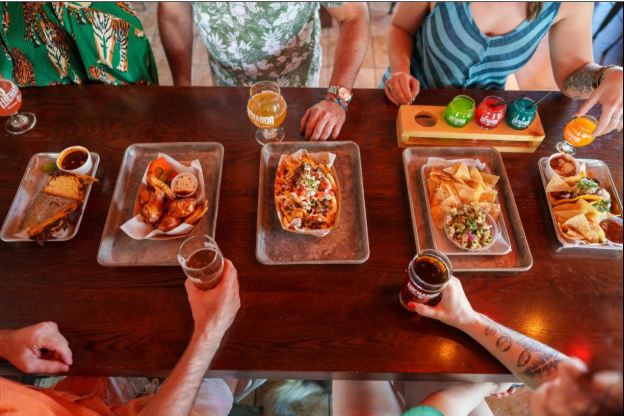
The dining landscape has evolved significantly in recent years, with fast-casual restaurants emerging as a dominant force in the foodservice industry. These establishments blend the convenience of fast food with the quality and ambiance of casual dining, creating a unique dining experience that resonates with modern consumers. Fast casual restaurants have become the go-to choice for people who want quality meals without the wait or expense of traditional sit-down restaurants.
What Defines a Fast Casual Restaurant?
Fast casual restaurants occupy a niche between fast food and full-service dining. These establishments emphasize high-quality, freshly prepared meals, often with a focus on healthier options and customizable menus. Unlike traditional fast food chains, fast casual restaurants typically feature open kitchens, where customers can see their meals being prepared. This transparency not only builds trust but also enhances the overall dining experience by allowing customers to witness the care and attention given to their meals.
The Rise of Customization and Personalization
One of the major attractions of fast casual restaurants is the ability to customize meals. Customers can select from a variety of ingredients, toppings, and sauces to create a dish tailored to their individual tastes and dietary needs. This level of personalization has been key to the rise of the fast casual dining trend. It enhances customer satisfaction and fosters brand loyalty, as diners feel they are receiving a meal made just for them. The use of digital ordering platforms and mobile apps has further streamlined this process, making customization easier and more accessible than ever before.
Embracing Sustainability and Eco-Friendly Practices
As consumers become more environmentally conscious, fast-casual restaurants are responding by adopting sustainable practices. Many establishments now source ingredients locally, reducing their carbon footprint and supporting local economies. Additionally, biodegradable packaging, energy-efficient appliances, and waste reduction initiatives have become standard practices within the industry. These sustainability efforts not only appeal to eco-conscious diners but also contribute to the overall sustainability of the foodservice sector, positioning fast- casual restaurants as leaders in environmentally friendly dining.
The Influence of Technology on Dining Experiences
Technology has played a pivotal role in enhancing the fast-casual dining experience. From mobile ordering apps to self-service kiosks, technology streamlines the ordering process, reduces wait times, and improves overall customer satisfaction. Advanced point-of-sale systems gather valuable customer data, enabling restaurants to make personalized recommendations and offer targeted promotions. Moreover, the integration of artificial intelligence (AI) and automation in kitchen operations improves efficiency and consistency, ensuring high-quality meals for every customer.
The Appeal to Younger Generations
Fast casual restaurants have gained significant popularity among younger generations, particularly Millennials and Gen Z. These consumers prioritize convenience, quality, and ethical sourcing when making dining decisions. The fast-casual model, which emphasizes customization, transparency, and sustainability, aligns perfectly with their values and lifestyle preferences. As a result, these establishments are well-positioned to cater to the evolving demands of today’s diners.
Plomo Quesadilla Bar: A Case Study in Fast Casual Innovation
Plomo Quesadilla Bar is a prime example of the fast-casual dining model in action. With locations in Dallas, TX, and Fayetteville, AR, Plomo offers a menu centered around customizable quesadillas made from fresh, high-quality ingredients. The restaurant has built a loyal following by focusing on flavor and customer satisfaction, showing how the fast casual approach meets the needs of contemporary diners. The restaurant’s commitment to delivering a great dining experience highlights the success of this dining format.
The Future of Fast Casual Dining
The future of fast casual dining looks bright, with the industry continuing to grow at a rapid pace. As consumers increasingly seek dining experiences that offer both quality and convenience, fast-casual restaurants are poised to meet these demands. Innovations in technology, sustainability, and menu options will only further elevate the appeal of these establishments. Fast casual dining is no longer a niche trend; it’s becoming the norm for many consumers who want a meal that’s quick, customizable, and high-quality.
Conclusion: Fast Casual Dining as the New Norm
Fast casual restaurants are changing the way we eat out. By offering the best aspects of fast food and casual dining, these restaurants provide a dining experience that appeals to today’s fast-paced, health-conscious, and tech-savvy consumers. With a focus on customization, sustainability, and innovative technology, fast casual restaurants are leading the way in shaping the future of dining. Whether you’re looking for a healthy, customizable meal or a late night restaurant option that offers both convenience and quality, fast-casual establishments like Plomo Quesadilla Bar provide the perfect solution.
 David Martinez