

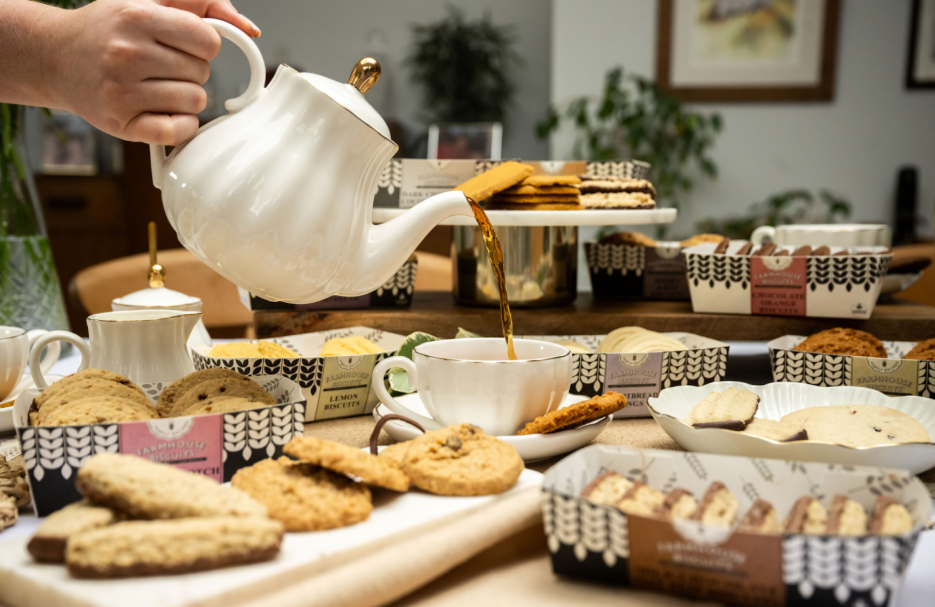
Few culinary delights evoke nostalgia quite like traditional British biscuits. From tea-time snacks to celebratory treats, biscuits hold a cherished place in British culture. They are more than just baked goods—they are a symbol of comfort, craftsmanship, and tradition. This guide explores some of the most beloved types of British biscuits, their history, and why they continue to capture the hearts and taste buds of generations.
The History of British Biscuits
The history of British biscuits dates back centuries, with roots in both domestic kitchens and commercial bakeries. Originally designed as a form of hardtack for long journeys, biscuits evolved into a more refined treat suitable for afternoon tea and social gatherings. Over time, innovations in baking techniques and ingredients led to the creation of the diverse assortment of biscuits enjoyed today.
Classic Types of British Biscuits
Digestive Biscuits
Digestive biscuits are perhaps the most iconic of traditional British biscuits. Originally created in the 19th century, they were developed for their supposed digestive benefits, thanks to the use of baking soda. Today, digestives are beloved for their subtly sweet flavour and crumbly texture. They pair perfectly with tea or coffee and often serve as a base for cheesecakes and other desserts.
Shortbread
Shortbread is synonymous with Scottish baking tradition. Made primarily from butter, sugar, and flour, shortbread offers a rich, melt-in-the-mouth texture. Its simple yet indulgent ingredients make it a favorite during holidays and special occasions. High-quality butter and precise baking are key to achieving the perfect shortbread, making it a staple in both home kitchens and Farmhouse Biscuits collections.
Rich Tea Biscuits
Rich Tea biscuits are known for their delicate, slightly sweet taste and crisp texture. Often enjoyed with a cup of tea, they are thin, light, and perfect for dunking. Many families have their favourite brands, and they are widely used in dessert recipes, particularly in layered treats like trifles.
Bourbon and Chocolate Digestives
For those who enjoy a touch of decadence, bourbon biscuits and chocolate-covered digestives add a richer flavour to the traditional biscuit repertoire. Bourbon biscuits consist of chocolate-flavoured sandwich biscuits with a creamy filling, while chocolate digestives combine the classic crumbly biscuit with a chocolate coating. Both varieties demonstrate the evolution of posh biscuits from simple staples to more indulgent treats.
Ginger Nuts
Ginger nuts are a spiced biscuit with a robust flavour and crisp texture. Infused with ginger and other warming spices, these biscuits have a distinctive taste that pairs well with strong tea or coffee. Their slightly harder texture also makes them ideal for dunking without quickly disintegrating.
The Role of Farmhouse Biscuits and Artisanal Creations
Artisanal biscuit makers have revitalised traditional recipes, offering handcrafted options like Farmhouse Biscuits that prioritise high-quality ingredients and traditional baking methods. These biscuits often feature locally sourced butter, organic flour, and natural flavourings, providing a richer taste and authentic experience. By preserving the heritage of traditional British biscuits, these artisanal creations maintain a connection to historical baking practices while appealing to modern palates.
Biscuits and Afternoon Tea Culture
No discussion of British biscuits is complete without mentioning their role in afternoon tea. Afternoon tea is a long-standing British tradition that pairs light snacks and biscuits with tea, often accompanied by scones, sandwiches, and cakes. The ritual of tea time emphasises the importance of selection, presentation, and enjoyment. Traditional British biscuits, whether simple digestives or elaborate posh biscuits, enhance the experience by offering complementary flavours and textures.
Tips for Enjoying Biscuits
- Pair with the Right Tea: Strong black teas like Earl Grey or English Breakfast bring out the flavour of richer biscuits, while lighter teas complement more delicate varieties like shortbread.
- Store Properly: To maintain freshness, store biscuits in airtight containers away from heat and moisture.
- Experiment with Recipes: Many biscuits, including digestives and ginger nuts, can be incorporated into desserts like cheesecake bases or trifles, adding depth and texture.
- Explore Artisanal Options: Sampling biscuits from boutique makers, such as Farmhouse Biscuits, provides a taste of traditional craftsmanship and quality ingredients.
Modern Innovations in British Biscuits
While the classics remain popular, modern biscuit makers experiment with flavours, textures, and presentations to meet contemporary tastes. From vegan-friendly recipes to gourmet chocolate coatings, today’s traditional British biscuits blend heritage with innovation. Posh biscuit collections offer sophisticated flavour combinations, such as salted caramel shortbread or chocolate-covered spiced biscuits, appealing to those seeking both indulgence and authenticity.
Conclusion
Traditional British biscuits continue to delight and inspire, offering a taste of history, culture, and craftsmanship in every bite. From simple digestives and shortbread to the indulgent creations of posh biscuits and Farmhouse Biscuits, there is a biscuit to suit every palate and occasion. Whether enjoyed during a quiet afternoon tea, as part of a dessert, or collected as artisanal treats, these biscuits reflect the enduring charm of British culinary tradition. By appreciating their flavours, textures, and heritage, you can savour more than just a snack—you can experience a rich cultural legacy with every bite.
 David Martinez