

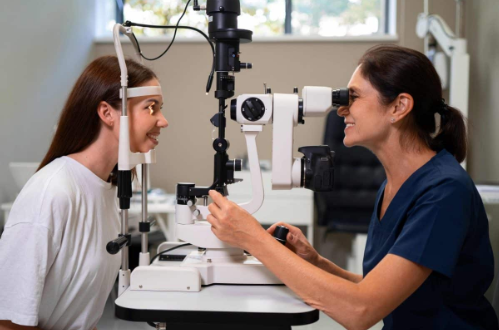
Modern advancements in eye care have transformed the way specialists diagnose and treat vision problems. Today’s patients expect precise results, faster evaluations, and personalized treatment options, all made possible through state-of-the-art diagnostic technology. When someone visits an eye consultant for a detailed evaluation, they benefit from advanced tools that allow specialists to understand the full scope of their eye health with remarkable accuracy.
The Role of Diagnostic Technology in Eye Care
Accurate diagnosis is the foundation of effective treatment. Eye conditions often progress quietly, which means early detection plays a major role in preventing long-term damage. This is where advanced diagnostic tools become essential. By using sophisticated imaging systems, eye specialists can identify issues long before symptoms appear, giving patients a better chance at successful treatment.
Precision Through High-Resolution Imaging
Modern eye care begins with high-resolution imaging technology that captures detailed pictures of the eye. These images reveal changes in the retina, optic nerve, and cornea, allowing specialists to diagnose conditions like glaucoma, macular degeneration, and diabetic retinopathy with precision. Such tools help create a clear picture of a patient’s overall visual health.
Tracking Changes Over Time
Technology also enables specialists to track subtle changes over time. This is especially important for patients with chronic eye diseases. By comparing past and current imaging results, specialists can determine whether a condition is stable, improving, or worsening. This level of monitoring ensures treatment plans stay accurate and effective.
How Eye Consultants Use Specialized Tools
A trusted eye consultant uses a combination of advanced tests to form a complete understanding of your vision and eye structure. Each tool offers unique insights, and together, they create a comprehensive diagnostic picture.
Optical Coherence Tomography
Optical Coherence Tomography is one of the most widely used tools in modern eye care. It functions like an ultrasound but uses light to capture high-resolution cross sections of the retina. This test helps detect early signs of disease that might otherwise go unnoticed. Eye specialists use the results to assess retinal thickness, nerve fiber layers, and fluid buildup.
Visual Field Testing
Visual field testing measures peripheral vision and identifies blind spots. Conditions such as glaucoma can cause a gradual loss of peripheral vision, often without early symptoms. This test is essential for detecting abnormalities that patients may not be aware of, allowing for prompt intervention.
Corneal Topography
Corneal topography creates a digital map of the cornea’s surface. This is important for diagnosing corneal diseases, evaluating astigmatism, and preparing for procedures like cataract surgery. It also helps determine whether a patient is a suitable candidate for laser treatments and other corrective procedures.
Technology That Enhances Patient Care
Advanced diagnostic equipment not only supports accurate diagnoses but also improves patient comfort and confidence. Faster testing, noninvasive tools, and clearer explanations enable patients to understand their eye health in a way that feels accessible and reassuring.
Streamlined Testing Experience
Diagnostic tests used during an appointment are typically quick, comfortable, and highly efficient. This streamlines the entire eye exam process, reducing wait times and ensuring patients receive comprehensive evaluations without unnecessary stress.
Personalized Treatment Planning
Detailed diagnostic results help specialists tailor treatments specifically to each individual. These customized plans may include medical treatments, corrective lenses, or surgical options. In-depth imaging and testing give specialists the information they need to recommend the safest and most effective solutions.
Advanced Diagnostics and Surgical Care
Technology does more than diagnose; it also improves surgical planning and outcomes. Whether preparing for cataract surgery or evaluating suitability for refractive procedures, specialists rely on imaging tools to guide exact measurements and create precise surgical plans.
Guiding Modern Vision Correction Procedures
Diagnostic equipment determines whether a patient is a good candidate for different types of corrective surgeries. It helps measure the thickness of the cornea, determine eye stability, and evaluate the overall health of the eye. By using this data, a trusted eye consultant ensures patients receive recommendations that align with their visual needs and long-term eye health.
Enhancing Results for Patients
The use of highly detailed imaging before surgery supports better outcomes afterward. Surgeons can customize procedures based on each patient’s unique vision characteristics. This level of accuracy reduces risk, enhances comfort, and increases the likelihood of achieving clear, long-lasting vision.
Conclusion
Patients today benefit greatly from the advanced diagnostic tools used in modern eye care. These technologies allow specialists to detect problems early, tailor treatment plans, and guide surgical decisions with superior accuracy. Many patients exploring vision correction also seek information on laser eye surgery in Chicago, which highlights the growing interest in personalized, technology-driven eye care solutions.
 David Martinez