

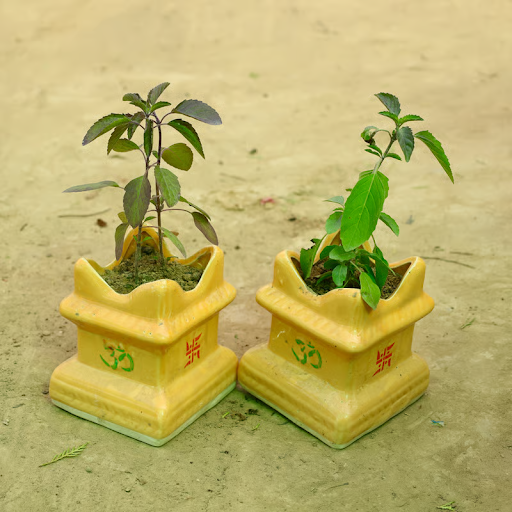
Tulsi — Holy Basil — is one of the most widely grown plants in India, and for reasons that go far beyond tradition. It’s medicinal, aromatic, pest-repelling, and deeply low-maintenance once established. If you’ve been thinking about adding one to your home, you can now easily buy a Tulsi plant online and have it delivered directly to your doorstep. Here’s everything you need to know.
1. The Different Types of Tulsi
Not all tulsi is the same. When browsing Tulsi plants online, you’ll typically find:
- Rama Tulsi (Green Tulsi): The most common variety. Light green leaves, mildest flavour and fragrance. Very easy to grow.
- Krishna Tulsi (Purple Tulsi): Deep purple leaves and stems, stronger aroma, higher medicinal concentration. Preferred for herbal use.
- Vana Tulsi (Wild Tulsi): Taller, more wild-growing variety. Often used for teas and has a clove-like fragrance.
- Kapoor Tulsi: High camphor content, very aromatic. Popular for worship and as a natural insect repellent.
Each variety has slightly different care needs, though all share the same core requirements.
2. Why Tulsi Is Worth Growing at Home
Beyond cultural significance, Tulsi earns its place practically:
- Air quality: It releases oxygen for up to 20 hours a day and is said to absorb VOCs.
- Medicinal: Leaves are used in home remedies for colds, coughs, fever, and immunity support.
- Pest repellent: The strong aroma deters mosquitoes and certain garden insects.
- Culinary use: Rama and Kapoor varieties are used in herbal teas and kadha preparations.
- Garden benefit: Planted near tomatoes and peppers, it improves their growth by repelling aphids.
3. Sunlight Requirements
Tulsi is a full-sun plant. It needs a minimum of 6 hours of direct sunlight daily to thrive. South-facing windows, balconies, and open terraces are ideal. In lower light conditions, the plant becomes leggy (stretched and thin) and produces fewer leaves. If you’re growing it indoors, place it as close to the brightest window as possible.
4. Watering: The Most Common Mistake
Overwatering is the fastest way to kill a Tulsi plant. The roots are highly susceptible to rot in waterlogged conditions. A general rule: water when the top inch of soil feels dry. In summer, this may mean daily watering; in winter, every 2–3 days. Always ensure your pot has drainage holes — this is non-negotiable for Tulsi.
5. Soil and Pot Selection
Tulsi grows best in well-draining, slightly sandy soil. A good mix:
- 50% regular potting soil
- 30% cocopeat
- 20% perlite or river sand
Use a terracotta pot if possible — it breathes and prevents waterlogging naturally. A 6–8-inch pot is sufficient for a single plant; if you want a bushier specimen, go for 10–12 inches.
6. Pruning and Harvesting
Regular pruning is key to keeping the tulsi bushy and productive. Pinch off the growing tips every 2–3 weeks. When the plant begins to flower, pinch off the flower stalks promptly — once a tulsi plant fully bolts (goes to flower), leaf production drops significantly. If you want seeds, allow one or two stalks to flower and set seed, then harvest and store.
7. Common Problems
- Yellow leaves: Overwatering or insufficient sun. Adjust both.
- Wilting despite watering: Root rot. Remove from pot, trim rotten roots, and repot in fresh dry soil.
- Leggy growth: Not enough light. Move to a sunnier spot.
- White fungus on soil surface: Overwatering + poor airflow. Let the soil dry out and increase ventilation.
8. Ordering Tulsi Plants Online: What to Look For
When you buy a Tulsi plant online, check for:
- Clear variety name (Rama, Krishna, Kapoor, etc.)
- Pot size mentioned
- Healthy green colour in product photos — avoid yellowing plants
- Seller who specifies whether the plant is rooted and established, not just a cutting
Final Thoughts
Tulsi is one of the most rewarding plants you can grow in an Indian home — practical, meaningful, and genuinely easy once you understand its needs. Order your tulsi plant online, put it in your sunniest spot, water it carefully, and it’ll give back generously — in leaves, fragrance, and more greenery than you started with.