

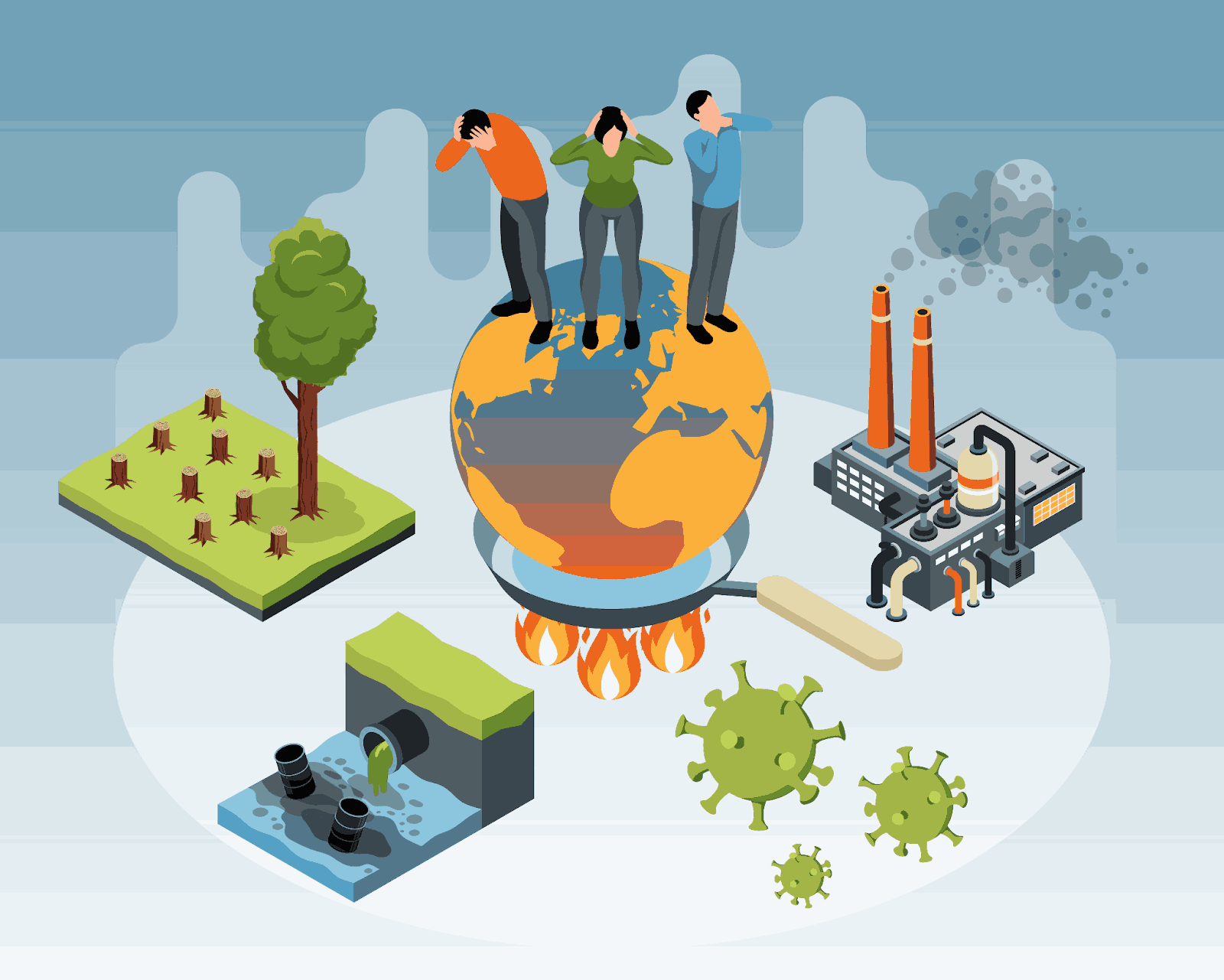
In an era defined by environmental uncertainty and evolving regulatory landscapes, businesses are increasingly required to rethink how they define stability and growth. Long-term corporate resilience is no longer determined solely by financial performance but by the ability to anticipate and respond to external risks, particularly those driven by climate change. Integrating climate change risk management into corporate strategy enables organizations to move beyond reactive responses and adopt a forward-looking, structured approach to uncertainty. This transformation is not limited to large enterprises; it is becoming essential across industries seeking continuity, stakeholder trust, and operational efficiency.
By embedding environmental risk considerations into decision-making processes, companies can protect assets, ensure compliance, and strengthen their position in competitive markets. Ultimately, the ability to manage climate-related risks effectively contributes to a more stable, adaptable, and future-ready corporate framework.
Identifying and Prioritizing Climate-Related Risks
The process of identifying and prioritizing risks forms the foundation of effective risk management. By establishing clear visibility into vulnerabilities, organizations can allocate resources more efficiently and design targeted mitigation strategies.
- Risk mapping across operations and value chains: Organizations systematically identify climate-related vulnerabilities across core functions, including supply chains, infrastructure, and logistics networks. This process highlights critical dependencies and interconnections that may be overlooked in traditional risk assessments. It enables businesses to proactively address weak points that could be exposed to environmental disruptions.
- Assessment of financial and operational impact: Businesses evaluate the potential financial consequences of climate risks to determine their severity and urgency. This includes estimating direct and indirect losses arising from extreme weather events, supply chain interruptions, or regulatory penalties. Such analysis supports informed decision-making and prioritization of mitigation investments.
- Categorization of physical and transition risks: Organizations classify risks into physical risks, such as floods and heatwaves, and transition risks, including regulatory changes and market shifts. This structured categorization improves clarity and ensures a comprehensive understanding of risk exposure. It also helps in developing targeted strategies tailored to different types of climate-related challenges.
Strengthening Governance and Strategic Decision-Making
Strong governance structures play a crucial role in translating risk awareness into actionable strategies. By incorporating climate change risk management into decision-making frameworks, companies can ensure that sustainability is not treated as a separate initiative but as an integral part of business planning.
- Integration into corporate governance frameworks: Organizations incorporate climate considerations into board-level agendas to ensure strategic oversight and accountability. This integration aligns sustainability objectives with broader business goals across leadership teams. It strengthens decision-making by embedding environmental responsibility into core governance structures.
- Data-driven decision-making processes: Businesses leverage climate data, analytics, and forecasting tools to guide strategic and operational decisions. These insights reduce uncertainty by providing measurable and evidence-based risk evaluations. As a result, organizations can respond more effectively to emerging challenges and opportunities.
- Alignment with regulatory and compliance requirements: Companies proactively adapt to evolving environmental regulations and industry standards. This alignment reduces the risk of non-compliance, penalties, and operational disruptions. It also enhances organizational credibility and reinforces trust among stakeholders and regulators.
Enhancing Operational Resilience and Continuity
Operational resilience is a direct outcome of proactive planning and strategic investment. By focusing on adaptability and preparedness, organizations can maintain stability even in the face of unpredictable environmental challenges.
- Development of adaptive infrastructure and processes: Organizations invest in resilient infrastructure designed to withstand climate-related stresses and disruptions. Flexible operational systems allow quick adjustments in response to changing environmental conditions. This approach ensures continuity while reducing long-term vulnerability across business functions.
- Supply chain diversification and risk mitigation: Businesses reduce reliance on single suppliers by expanding sourcing networks across multiple regions. Alternative sourcing strategies help minimize disruptions caused by climate-related events. This diversification strengthens supply chain stability and ensures consistent operational performance.
- Crisis preparedness and response planning: Organizations develop structured contingency plans to address unexpected environmental or operational disruptions. Clear response protocols enable faster decision-making during emergencies. This preparedness minimizes downtime and helps maintain business continuity under uncertain conditions.
Driving Innovation and Competitive Advantage
Innovation driven by sustainability is a powerful differentiator in modern markets. Organizations that integrate environmental considerations into product development and service delivery can unlock new revenue streams and strengthen customer loyalty.
- Adoption of sustainable technologies and practices: Organizations implement energy-efficient systems and environmentally responsible processes across operations. These practices reduce resource consumption while lowering operational costs over time. They also support long-term sustainability goals and regulatory compliance.
- Development of climate-resilient products and services: Businesses design products and services that align with evolving sustainability expectations. This innovation ensures adaptability to changing market demands and environmental conditions. It positions organizations as proactive and responsive to future industry trends.
- Leveraging sustainability for brand differentiation: Companies showcase their commitment to environmental responsibility through transparent initiatives. This approach strengthens brand reputation and builds trust among stakeholders. It also attracts customers and partners who prioritize sustainability in their decisions.
Building Long-Term Stakeholder Trust and Value
Trust is a critical component of corporate stability, and it is increasingly influenced by how organizations address environmental challenges. Effective risk management demonstrates a commitment to accountability and long-term thinking.
- Transparent communication and reporting practices: Organizations provide clear, accurate, and consistent disclosures on climate-related initiatives and performance. This transparency builds trust among investors, customers, and regulatory authorities. It also demonstrates accountability and strengthens long-term stakeholder confidence.
- Alignment with global sustainability standards: Businesses adopt recognized frameworks to guide their environmental strategies and reporting practices. This alignment ensures consistency, comparability, and credibility in performance measurement. It enhances reputation while supporting compliance with international expectations.
- Engagement with stakeholders on sustainability goals: Organizations actively collaborate with stakeholders to define and achieve shared sustainability objectives. This engagement fosters a sense of collective responsibility across the business ecosystem. It strengthens relationships and supports long-term value creation through mutual commitment.
Conclusion
Long-term corporate stability is no longer defined by the absence of risk but by the ability to manage it with precision and foresight. As climate-related challenges continue to reshape the global business environment, organizations must adopt structured and strategic approaches to remain competitive and resilient. Integrating environmental risk considerations into governance, operations, and innovation, supported by climate change services in India, enables businesses to navigate uncertainty while creating sustainable value.
KBS Certification Services Ltd provides professional certification and compliance solutions designed to help organizations meet international standards with confidence. With a structured and client-focused approach, they support organizations in achieving regulatory compliance, improving performance, and building trust among stakeholders while aligning with globally recognized best practices for sustainable growth.