

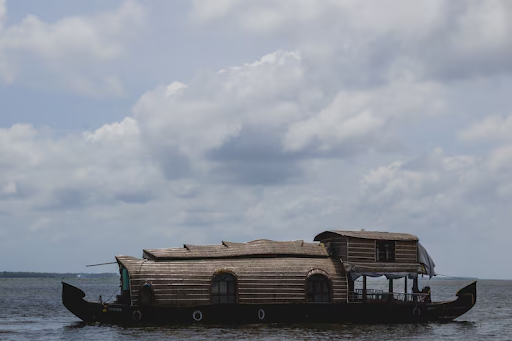
Custom timber boat houses have become an integral part of many lakeside and riverside properties, blending storage, protection, and relaxation into a single waterside structure. When you explore a custom timber boat house, you are looking at designs that go beyond basic shelters for watercraft. A thoughtfully planned boathouse can anchor the shoreline, create a comfortable place to spend time by the water, and reflect the style of the home above.
Why Choose Timber for a Boat House?
Timber is a natural fit for waterfront environments where the landscape often includes trees, docks, and wooden walkways. It brings warmth and character that metal or purely utilitarian structures often lack. The exposed beams and posts of a timber boat house echo traditional waterfront architecture, helping the building blend into its surroundings rather than dominate them.
Working with experienced wooden boat house builders allows for careful selection of materials suited to the environment. Properly chosen and treated timbers can handle moisture, changing temperatures, and everyday wear. The result is a structure that feels substantial, visually appealing, and well-suited to its setting along the shoreline.
How Can a Custom Boat House Support Everyday Waterfront Life?
A boat house’s primary role is to protect watercraft from sun, rain, and rough weather, but a custom design can do much more. Many owners plan spaces for gear storage, changing areas, or small seating nooks where people can gather before or after time on the water. This makes the building a hub for all the routines that surround boating, from preparing equipment to drying off and relaxing.
Custom boat house design can also include flexible interior layouts. Some structures focus on a single vessel, while others provide slips or bays for multiple boats, personal watercraft, or kayaks. Overhead storage, built-in racks, and designated spots for life jackets, paddles, and maintenance supplies help keep everything organized and within easy reach.
What Design Decisions Shape a Timber Boat House?
Design begins with the shoreline itself. Water depth, access, existing docks, and local regulations all influence where and how a boat house can be built. Understanding these variables helps guide decisions about the footprint, height, and orientation of the structure. In many cases, aligning the boat house with prevailing winds and waves improves ease of docking and overall safety.
Aesthetic considerations are just as important. The proportions of posts, beams, and roof lines can echo the main home or nearby buildings, creating visual harmony between the residence and the water’s edge. Cladding, railings, and trim details contribute to the overall style, whether you prefer a rustic, lodge-like feel or a cleaner, more contemporary look.
How Do Materials and Protection Strategies Affect Longevity?
Waterfront environments are demanding, so material selection and protective measures are critical. Working with wooden boat house builders who understand local conditions helps ensure that the structure uses timbers suited for the climate and exposure. Proper treatments, sealants, and hardware choices help resist moisture, UV rays, and corrosion.
Maintenance planning should be built into the design phase. Easy access for inspections and upkeep, thoughtful drainage, and strategies to manage splash and spray all support long-term durability. Regular cleaning, checks of connections, and refinishing as needed will keep the structure strong and attractive, preserving both function and aesthetic appeal over time.
Which Features Enhance Comfort and Enjoyment?
Custom boat house design can incorporate features that make time at the water more enjoyable. Covered seating areas, small decks, or balconies provide places to relax and enjoy the view even when you’re not on the boat. Thoughtful lighting—both inside the structure and along paths and docks—improves safety during early morning departures or evening returns while also creating a welcoming glow.
Some boat houses integrate changing areas or storage for towels and outdoor clothing, helping keep the main home cleaner and more organized. Others include simple refreshment stations or storage for outdoor games, fishing gear, and other hobbies. These additions turn the boat house into a multi-purpose waterfront retreat rather than just a utilitarian shelter.
How Do Regulations and Local Conditions Influence Design?
Waterfront construction is often subject to local ordinances, environmental regulations, and permitting requirements. These guidelines may affect setbacks from the water, overall height, and the extent of coverage over the surface of the lake or river. Collaborating with professionals who understand these constraints helps keep the design both compliant and functional.
Local conditions such as water level fluctuations, ice, and storm patterns also shape decisions. Structural reinforcements, anchoring methods, and the way the structure meets the shoreline can all be tailored to address these challenges. A well-considered design takes into account not just how the boat house looks on calm days, but how it performs during less predictable weather.
Conclusion
Custom timber boat houses can significantly enhance the experience of living by the water, combining protection for vessels with comfortable and attractive spaces to spend time along the shoreline. By paying attention to site conditions, materials, layout, and features that support everyday routines, you can create a boat house that feels like a natural, enduring extension of both the home and the landscape.
 Sally
Sally