

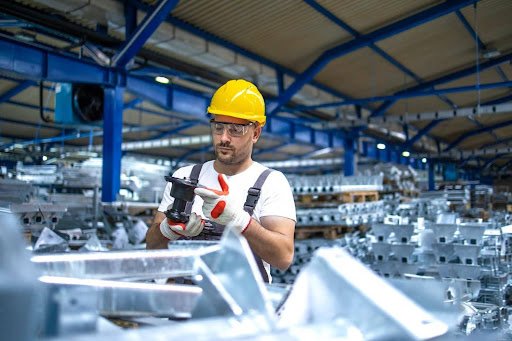
Industrial expansion across the UAE depends heavily on fabrication capabilities that deliver structural strength, dimensional accuracy, and consistent output. From commercial buildings to industrial installations, fabricated components form the backbone of physical infrastructure. Within this ecosystem, metal fabrication in Dubai continues to support sectors that require dependable execution across both large-scale and detail-oriented projects.
Expectations within fabrication have evolved beyond basic production. Projects now require alignment with engineering drawings, strict tolerances, and seamless coordination between design and execution. Fabrication providers must combine technical expertise with advanced machinery to deliver components that integrate efficiently into real-world applications without delays or rework.
The Role of Fabrication in Industrial and Commercial Projects
Fabrication directly contributes to the development of structural frameworks and engineered assemblies used across commercial and industrial environments. It involves transforming raw metal into functional components that meet project-specific requirements, including load-bearing structures and architectural elements.
Across project sites, fabricated materials must align precisely with installation plans. This level of accuracy reduces on-site modifications and ensures faster project completion. Reliable fabrication processes support structural integrity while maintaining consistency across multiple components within a single development.
Structural Steel and Sheet Metal Fabrication Capabilities
Structural steel fabrication forms a critical part of construction and industrial projects. It involves producing beams, frames, and load-bearing components that serve as the foundation of buildings and facilities. Sheet metal fabrication complements this by delivering lighter components used in enclosures, panels, and support systems.
Key fabrication capabilities typically include:
- Cutting and shaping steel sections for structural frameworks
- Forming sheet metal for industrial and commercial applications
- Welding processes that ensure strong and stable joints
- Assembly of components based on engineering specifications
These capabilities enable the production of both heavy-duty structures and precision-based components within the same workflow.
Stainless Steel and Aluminum Fabrication Applications
Different materials serve different purposes within fabrication. Stainless steel is widely used for its corrosion resistance and clean finish, making it suitable for both functional and visible applications. Aluminum offers a lightweight alternative while maintaining structural strength, especially in projects requiring ease of handling and installation.
Material selection is guided by project requirements such as durability, environmental exposure, and design intent. Using the correct material ensures long-term performance while reducing maintenance concerns across various applications.
Advanced Machinery and CNC-Based Operations
Modern fabrication relies on precision machinery to achieve consistent results. CNC-controlled systems enable accurate cutting and bending processes that align closely with design specifications. Laser cutting technology further enhances precision by producing clean edges and minimizing material waste.
Automation within fabrication workshops improves efficiency while maintaining quality. Integrated systems allow for faster transitions between processes, ensuring that production timelines are met without compromising on accuracy or consistency.
Welding, Assembly, and Structural Integrity
Welding is a critical stage that determines the strength and durability of fabricated components. Proper welding techniques ensure that joints can withstand operational stress while maintaining structural stability. Assembly processes follow strict guidelines to ensure that all components fit together as intended.
Quality-focused fabrication includes:
- Controlled welding procedures for strong joints
- Alignment checks during assembly
- Structural verification before delivery
- Consistency across repeated components
These measures ensure that fabricated products perform reliably under real-world conditions.
Engineering Precision and Custom Project Execution
Fabrication projects often require tailored solutions that align with specific engineering requirements. Each project begins with detailed drawings that define dimensions, tolerances, and structural needs. Fabrication teams translate these specifications into physical components through controlled processes.
Accurate Interpretation of Engineering Drawings
Every dimension and tolerance outlined in technical drawings must be followed precisely. This ensures that fabricated components integrate seamlessly during installation, reducing the risk of misalignment or structural issues.
Capability to Handle Complex Designs
Projects frequently involve intricate geometries and varied material combinations. Fabrication facilities must be equipped to handle these complexities without compromising on accuracy or production timelines.
Coordination with Project Schedules
Fabrication timelines are closely aligned with construction or installation schedules. Efficient coordination ensures that components are delivered when required, preventing delays across project phases.
Consistency in Repetitive Production
Large projects often require multiple identical components. Maintaining uniformity across these units ensures consistent performance and simplifies installation across the entire structure.
Architectural and Decorative Metal Works
Beyond structural applications, fabrication also supports architectural metal works that contribute to the visual appeal of projects. These include decorative panels, railings, and customized metal features used in commercial and public spaces.
Architectural fabrication requires a balance between aesthetics and durability. Components must meet design expectations while maintaining resistance to environmental conditions. Precision in finishing and detailing plays a crucial role in achieving this balance.
Surface Finishing and Protective Treatments
Surface finishing enhances both functionality and appearance. Processes such as polishing, coating, and protective treatments extend the lifespan of fabricated components while improving resistance to corrosion and wear.
These treatments are essential in environments exposed to moisture, heat, or industrial conditions. Proper finishing ensures that components remain durable and visually consistent over time, reducing the need for frequent maintenance.
Process Efficiency and Integrated Workflow
Efficient fabrication depends on streamlined workflows that integrate multiple processes within a single system. From design interpretation to final assembly, each stage must be coordinated to ensure smooth production.
Optimized fabrication workflows include:
- Precise cutting to reduce material waste
- Seamless transition between forming and welding stages
- Coordination between engineering and production teams
- Timely delivery aligned with project requirements
Such integration improves productivity while maintaining high-quality standards across all outputs.
Final Thoughts
What defines a fabrication partner that consistently delivers results without compromising precision or timelines? It comes down to the ability to align engineering requirements with execution at every stage. In this context, Morshedi demonstrates a structured approach through advanced machinery, skilled fabrication processes, and the capability to handle structural steel, sheet metal, and architectural metal works within a unified system. Their operations reflect a clear focus on delivering custom metal fabrication solutions that meet practical project demands while maintaining consistency, durability, and accuracy across every component.
For More Info Visit:- marketingbiznews.com
 David Martinez