

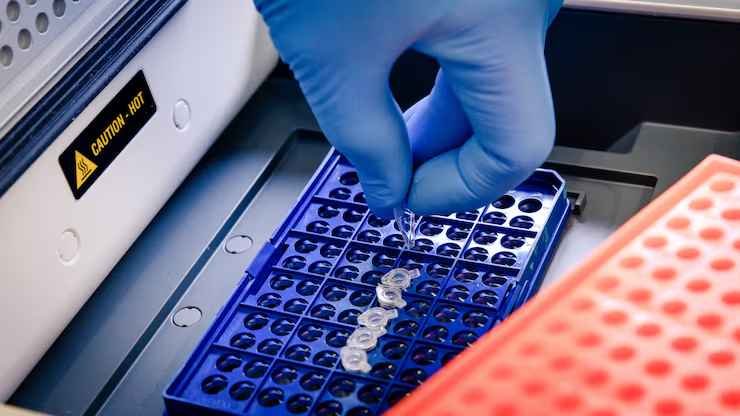
The Thromboxane A2 (TXA2) ELISA Kit addresses one of the fundamental challenges in eicosanoid research: accurately measuring a biologically active lipid mediator that is chemically unstable under physiological conditions. TXA2 has a half-life of approximately 30 seconds at 37°C and physiological pH, making its direct measurement in biological samples practically impossible with standard laboratory processing timelines. The TXA2 ELISA Kit resolves this challenge by detecting the stable hydrolysis product thromboxane B2 (TXB2) as a reliable, quantitative surrogate for TXA2 production and pathway activity.
The Biochemical Basis of TXA2 Measurement
Thromboxane A2 is synthesized from prostaglandin H2 (PGH2) by thromboxane synthase (TXAS/TBXAS1), primarily in activated platelets but also in macrophages, monocytes, and vascular cells. Once released, TXA2 activates TP receptors on platelets and vascular smooth muscle, triggering platelet aggregation and vasoconstriction. Its extraordinary instability — arising from the strained oxane ring in its chemical structure — means it spontaneously hydrolyzes to TXB2 within seconds.
TXB2 retains no biological activity at the TP receptor but is chemically stable and quantitatively measurable for hours to days in processed samples stored appropriately. Because TXA2 and TXB2 exist in equilibrium before hydrolysis is complete, measuring TXB2 reflects the total amount of TXA2 that was generated during the period of platelet activation or tissue synthesis. In urine, TXB2 is further metabolized to 11-dehydro-TXB2 and 2,3-dinor-TXB2, which serve as non-invasive urinary biomarkers of systemic TXA2 biosynthesis.
Competitive ELISA Format for TXB2 Quantification
The TXA2 ELISA Kit employs a competitive immunoassay format — the standard approach for quantifying small lipid mediators and prostaglandins that cannot simultaneously bind two antibodies. In this format:
- Wells are coated with an anti-TXB2 antibody
- Sample (containing endogenous TXB2) and a fixed quantity of enzyme-labeled TXB2 conjugate are added simultaneously
- Endogenous and labeled TXB2 compete for the limited number of antibody binding sites
- After washing, the enzyme substrate generates a signal inversely proportional to endogenous TXB2 concentration
- High TXB2 in the sample = less labeled conjugate bound = lower signal
A standard curve constructed from TXB2 standards of known concentration is used to calculate endogenous TXB2 levels in experimental samples by interpolation from the sigmoidal competitive curve.
Sample Collection and Preparation Considerations
Preventing Ex Vivo TXA2 Generation
One of the most critical pre-analytical considerations is preventing ex vivo TXA2 generation during blood collection and processing. Platelet activation by contact with collection equipment, temperature changes, or mechanical agitation produces TXA2 independently of the in vivo biological process being studied. To suppress ex vivo TXA2 synthesis, blood is typically collected into tubes containing a COX inhibitor such as indomethacin, alongside an anticoagulant such as EDTA or citrate. Samples should be centrifuged immediately at 4°C and plasma aliquoted for storage at −80°C.
Serum, Plasma, and Tissue Samples
The Rat TXA2 ELISA Kit is validated for use with rat serum, plasma, and tissue homogenates. Tissue homogenates should be prepared in phosphate-buffered saline containing a protease inhibitor cocktail and centrifuged to remove cell debris before assay. Sample dilution optimization is recommended, as TXB2 concentrations vary considerably between sample types and experimental conditions. Running a sample dilution series confirms that measured values fall within the linear range of the standard curve.
Experimental Applications
Platelet Activation and Aggregation Research
The TXA2 ELISA Kit is used to quantify TXB2 released from washed platelets or platelet-rich plasma following stimulation with agonists such as thrombin, collagen, ADP, or arachidonic acid. Comparing TXB2 release under different agonist concentrations or in the presence of pharmacological inhibitors provides quantitative insight into platelet TXA2 synthesis capacity.
COX Inhibitor and NSAID Pharmacology
Non-steroidal anti-inflammatory drugs (NSAIDs), including aspirin, ibuprofen, and naproxen, inhibit COX enzymes and thereby reduce prostanoid synthesis. The TXA2 ELISA Kit is used to verify the pharmacological efficacy of COX inhibitors by measuring residual TXB2 production in platelet-rich plasma or whole blood following drug treatment, both in cell culture experiments and in vivo in rat pharmacokinetic studies.
Thrombosis and Cardiovascular Disease Models
In rat models of arterial thrombosis, myocardial infarction, and atherosclerosis, TXA2 ELISA kits enable longitudinal measurement of thromboxane pathway activity during disease progression or in response to therapeutic interventions. Serial plasma TXB2 measurements provide a biochemical index of platelet activation state and COX-1 activity in vivo.
Conclusion
The Thromboxane A2 (TXA2) ELISA Kit provides researchers with a technically sound and validated approach to quantifying TXA2 pathway activity through measurement of the stable metabolite TXB2. Its competitive immunoassay format, compatibility with rat biological samples, and sensitivity across the physiologically relevant concentration range make it an essential tool in cardiovascular, inflammatory, and platelet biology research. Access this kit along with the full range of prostanoid and eicosanoid assay reagents at MyBioSource.