

In today’s fast-paced industrial landscape, precision and efficiency are critical for maintaining productivity and reducing waste. Cutting technologies have evolved significantly, with advanced tools playing a central role in manufacturing processes. Among these, the rotary knife stands out as a highly effective solution for continuous and high-speed cutting applications. From packaging to rubber processing, rotary knives are widely used for their ability to deliver clean, consistent cuts while maintaining operational efficiency.
What Is a Rotary Knife?
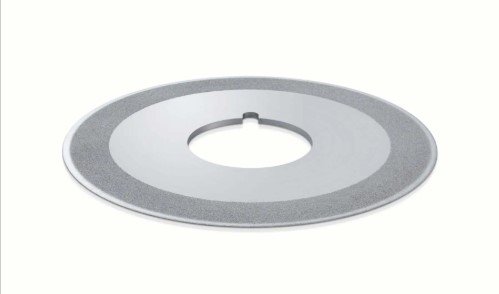
A rotary knife is a circular cutting tool designed to rotate while slicing through materials. Unlike traditional fixed blades, it operates through continuous motion, which reduces friction and ensures smoother cuts. This rotating mechanism allows for precise cutting without pulling or damaging the material surface.
Typically mounted on machines, rotary knives consist of a circular blade attached to a shaft or cylinder. As the blade rotates, it cuts materials in a seamless motion, making it ideal for high-speed production lines.
How Rotary Knives Work
The working principle of a rotary knife is based on rotational motion and consistent contact with the material. As the blade spins, it distributes cutting force evenly along its edge, reducing wear and extending the tool’s lifespan.
In industrial setups, rotary knives are often synchronized with the speed of the material being processed. This synchronization ensures accurate cut lengths and prevents production interruptions. The ability to cut continuously without stopping the production line is one of the major advantages of rotary knife systems.
Applications Across Industries
Rotary knives are widely used across various industries due to their versatility and efficiency. Some key applications include:
- Packaging and paper processing, where materials are slit into precise widths
- Textile and fabric cutting, ensuring clean edges without fraying
- Plastic and film processing for continuous production lines
- Rubber and tire manufacturing, where precision trimming is essential
In rubber processing, rotary knives are often paired with pre-cured tread cutting tools to achieve accurate shaping and trimming. These applications demand high durability and precision, making advanced materials essential for blade construction.
Importance of Material Selection
The performance of a rotary knife heavily depends on the material used in its construction. Industrial-grade blades are commonly made from high-speed steel or tungsten carbide, known for their exceptional hardness and wear resistance.
Tungsten carbide blades, in particular, offer extended durability and maintain sharpness even under high-speed and high-temperature conditions. This makes them suitable for demanding applications such as cutting abrasive materials or operating in continuous production environments.
Advantages of Rotary Knife Systems
The use of rotary knives offers several advantages over traditional cutting methods:
- High precision and clean cuts with minimal material damage
- Reduced friction and heat generation during operation
- Longer blade life due to even distribution of wear
- Increased production efficiency through continuous cutting
These benefits contribute to reduced downtime and improved product quality, making rotary knives a preferred choice in modern manufacturing.
Role in Enhancing Industrial Efficiency
Rotary knives play a crucial role in optimizing production processes. Their ability to maintain consistent cutting quality ensures uniformity in finished products, which is essential in industries like packaging and textiles. Additionally, their compatibility with automated systems allows for seamless integration into advanced manufacturing lines.
By reducing material waste and improving cutting accuracy, rotary knives help businesses achieve better cost efficiency and sustainability in their operations.
Conclusion
The evolution of cutting technology has made tools like the rotary knife indispensable in modern industries. Their precision, efficiency, and adaptability make them suitable for a wide range of applications, from packaging to heavy-duty industrial processing. With the use of durable materials like tungsten carbide, these tools continue to deliver reliable performance even in demanding conditions.
 David Martinez