

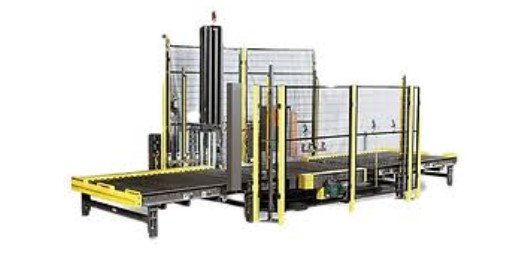
As a structural element in Orion packaging machines, this frame assembly supports the mechanical systems responsible for stretch wrapping, conveying, and controlling film delivery throughout the wrapping cycle. Frame assemblies in packaging machinery are often overlooked during routine maintenance planning because they appear static compared to moving parts that wear visibly. However, structural components like the Orion frame play a critical role in maintaining the precise alignment that machine performance depends on throughout years of vibration, load cycling, and routine production stresses.
What the Frame Assembly Does
The primary function of this assembly is to provide the rigid, dimensionally stable platform from which all of the machine’s active systems operate. Film carriage rail systems, turntable drive components, control panel mounting structures, and conveyor integration points all depend on the frame maintaining its dimensional accuracy over thousands of operating hours. When frame components bend, crack, or develop looseness at joint locations, every other system mounted to them operates with reduced precision — producing wrapping inconsistencies that appear to originate in the active systems but actually reflect underlying structural degradation.
Signs of Frame Degradation
Recognising frame-related problems early prevents the cascading maintenance issues that develop when structural degradation is allowed to progress unchecked. Excessive vibration during operation that cannot be resolved through standard balancing procedures often indicates frame distortion. Film carriage movement that develops lateral play outside normal tolerances suggests rail mounting accuracy has been compromised. Recurring alignment problems on systems that were correctly aligned at last service indicate that the reference structures those systems mount to are no longer dimensionally stable.
Inspection Procedures
Systematic frame inspection should be incorporated into routine preventive maintenance schedules rather than reserved for troubleshooting situations after problems have already developed. Visual inspection identifies obvious damage — cracks at welded joints, deformation from forklift impact, corrosion on exposed structural members in humid environments. Dimensional checks using reference measurements documented at installation or major service verify that the frame is holding its geometry within acceptable tolerances. Early identification of frame issues enables planned repair or component replacement rather than emergency intervention during production.
Common Damage Causes
Frame damage in packaging machinery typically originates from a small number of identifiable causes that systematic operating procedures can prevent. Forklift impact during repositioning is the most common cause of significant frame distortion in floor-mounted packaging machines. Overloaded pallet weights beyond the rated capacity of the wrapping station create progressive structural fatigue. Inadequate floor levelling that causes the machine to operate with persistent twist in its base frame creates internal stress that accumulates over years of operation.
Replacement vs. Repair
When frame damage is identified, the decision between repair and replacement requires assessment of damage severity, the machine’s overall age and condition, and the cost relationship between repair and the value of restoring a machine to full service. Minor impact damage at non-critical locations may be addressable through skilled repair without compromising long-term structural integrity. Significant deformation at load-bearing joint locations or damage affecting critical reference surfaces often warrants component replacement to restore the dimensional accuracy the machine requires.
Sourcing Replacement Components
Sourcing replacement structural components for packaging machinery requires a distributor with genuine technical familiarity with the machine platform and access to parts for machines across multiple manufacturers and vintages. Orion machines with long service histories may require components that are no longer actively stocked at standard distributors, making specialist sourcing capability particularly valuable for maintenance teams responsible for keeping older equipment in service rather than investing in early capital replacement.
Keeping Documentation Current
Maintaining accurate documentation of frame specifications, historical damage events, prior repairs, and dimensional measurements taken during major service events creates a valuable reference for future maintenance planning. This documentation helps identify whether developing problems represent new damage or progression of previously identified issues. It also provides critical reference information for sourcing replacement components that match the machine’s specific configuration, which may differ from standard specification in machines that have been modified or upgraded over their service lives.
For maintenance teams sourcing parts for machines across multiple packaging equipment platforms, including structural components for Orion wrappers, working with a specialist distributor with deep technical knowledge and broad inventory access ensures the correct components are identified and supplied efficiently.