

Commercial kitchens need surfaces that can handle constant use, frequent cleaning, food preparation, equipment movement, and changing temperatures. Unlike domestic kitchens, these spaces often operate for long hours, so the worktop material must support hygiene, efficiency, durability, and safe food handling.
A surface may look attractive, but its real value comes from how well it performs under pressure. In the middle of planning a restaurant, café, hotel, catering unit, or food preparation area, choosing the right commercial kitchen worktops can improve workflow, reduce maintenance issues, and support a cleaner working environment.
Why Material Choice Matters
The commercial kitchen worktops affect hygiene, cleaning time, durability, and long-term running costs. Quartz, stainless steel, granite, compact surfaces, and sintered stone are commonly considered for commercial kitchens because they offer stronger performance than many basic surface materials.
Quartz is often valued because it is engineered to be non-porous, highly resistant to stains, and resistant to scratches, making it practical for areas where spills and repeated use are common. Stainless steel is widely used in professional food environments because it is hygienic, heat resistant, and easy to sanitise. Granite can provide natural strength and a premium appearance, although it may require sealing depending on the type and usage.
Key Qualities to Look For
Commercial kitchen worktops should be selected according to the demands of the space. A bakery counter, restaurant prep station, hotel buffet area, and café service counter may all need different levels of durability, heat resistance, stain protection, and visual appeal.
Important qualities include:
- Non-porous or low-porosity surface for better hygiene
- Resistance to stains from sauces, oils, juices, and cleaning agents
- Strong scratch resistance for daily food preparation
- Good heat tolerance for hot pans, trays, and appliances
- Easy cleaning with safe, routine maintenance methods
- Long-term durability against chips, knocks, and heavy use
Quartz, stainless steel, and sintered stone are often recommended for commercial kitchens because they combine durability with cleanliness and practical maintenance.
Quartz in Commercial Kitchens
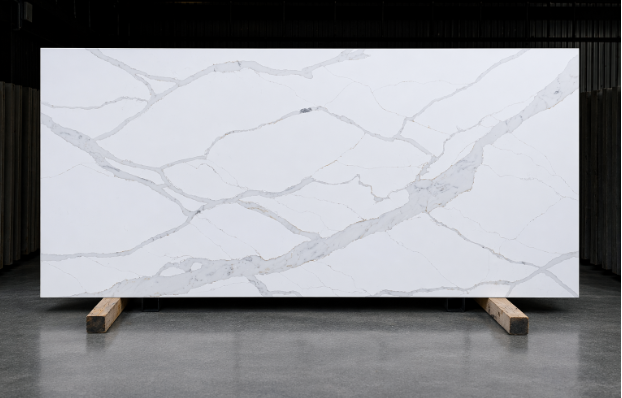
Quartz is a popular option for commercial environments where appearance and practicality both matter. It is made from crushed stone mixed with pigments and binders, which allows it to offer consistent colours and patterns across slabs. This consistency can be useful in larger installations where matching multiple sections is important.
Another advantage of quartz is its low-maintenance nature. Since quartz is non-porous, it does not need sealing in the same way many natural stones do. This can reduce ongoing maintenance work and make daily cleaning simpler in busy food spaces.
However, quartz still needs sensible care. Sharp knives should be used with chopping boards, and hot items should be placed on trivets or heat pads because sudden temperature changes can damage quartz surfaces.
Stainless Steel and Other Options
Stainless steel remains a strong choice for high-intensity kitchens, especially in back-of-house preparation and cooking areas. It performs well where hygiene, heat resistance, and quick sanitising are priorities. Its main drawback is that it can show scratches, fingerprints, and dents more easily than stone-style surfaces.
Sintered stone is another modern option for commercial projects. It is designed to resist heat, scratches, stains, and UV exposure, making it suitable for demanding indoor or outdoor spaces. Granite can also work well in commercial settings where a natural look is preferred, but it may need more careful maintenance and sealing depending on the stone.
Laminate may be used in lower-impact commercial settings, such as staff rooms or light-use counters, but it is generally less suitable for heavy food preparation areas. It can be more vulnerable to heat, cuts, and moisture damage over time.
Hygiene and Cleaning Considerations
Hygiene is one of the most important factors in any commercial food environment. Surfaces should be easy to wipe down and should not trap dirt, grease, or food residue. Smooth, properly installed commercial kitchen worktops with well-finished joints help reduce areas where bacteria may collect.
For quartz surfaces, warm water and gentle soap are usually enough for everyday cleaning, while abrasive bleach, ammonia-based products, coarse pads, and harsh chemicals should be avoided because they can damage the surface. Staff training also matters because even durable materials can be damaged by poor cleaning habits or misuse.
Design and Customer-Facing Spaces
Commercial worktops are not only used in kitchens. They may also appear in serving counters, reception areas, bar tops, hotel breakfast stations, bakery displays, and open kitchen concepts. In these areas, appearance becomes just as important as performance.
Neutral and light-toned surfaces can make a space feel cleaner, brighter, and more welcoming. Cream, beige, white, grey, and stone-effect finishes often work well because they blend with many interior styles. A simple surface choice can help create a professional look without distracting from food presentation or service design.
Cost and Long-Term Value
When selecting a worktop, businesses should consider the total value rather than only the upfront cost. A cheaper surface may appear attractive at first, but if it stains, burns, cracks, or needs frequent replacement, it may become more expensive over time.
The best value usually comes from matching the material to the level of use. Heavy preparation zones need stronger, more hygienic surfaces, while customer-facing counters may need a balance of appearance and durability. Installation quality also affects value because poor fitting can lead to weak joints, uneven surfaces, and premature damage.
Conclusion
Commercial kitchen surfaces must support hygiene, speed, durability, and safe food preparation. The right worktop should be easy to clean, strong enough for daily use, and suitable for the specific demands of the business. For cafés, restaurants, catering spaces, and service counters, a Crema quartz worktop can offer a warm, neutral appearance while still providing the practical benefits associated with engineered quartz. By considering material performance, cleaning requirements, installation quality, and long-term maintenance, businesses can choose commercial kitchen worktops that support both function and presentation.
 Sally
Sally  David Martinez