

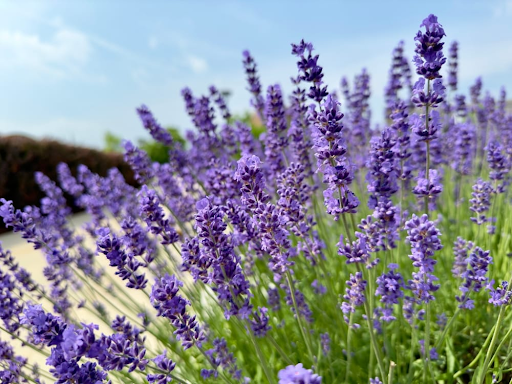
Bushes with flowering feature do more for a yard than almost any other planting category. They provide seasonal color, structure, wildlife habitat, and privacy screening — often simultaneously and with relatively low maintenance once established. The challenge with flowering bushes is not finding options to plant but knowing which ones genuinely perform well in your specific climate, soil, and light conditions rather than simply looking attractive on a nursery tag.
Top Performers Across US Climate Zones
Knockout roses dominate warm to moderate climates from the Southeast through the Midwest, blooming repeatedly from spring through frost with almost no disease pressure. Lilac thrives in cold-winter climates across the Northeast and Upper Midwest, offering unmatched spring fragrance. For the Pacific Northwest, rhododendrons and azaleas excel in acidic, moist soils under partial shade where many other shrubs struggle.
For heat and drought conditions across the South and Southwest, these varieties consistently deliver:
- Crape myrtle — tolerates intense heat and blooms for months in pink, red, white, or lavender.
- Butterfly bush — attracts pollinators heavily and blooms from mid-summer into fall.
- Forsythia — lights up Northern yards in early spring before most plants have stirred.
- Spirea — cold-hardy, compact, and blooms reliably in late spring and again in late summer.
Matching Plants to Your Light Conditions
Sun exposure is the most commonly misread factor when homeowners choose flowering bushes. Most heavy bloomers require at least six hours of direct sun daily to flower consistently. Plants receiving less will grow but bloom sparsely. For genuinely shaded areas, hydrangeas — particularly Endless Summer varieties and oakleaf hydrangea — perform well and deliver impressive displays in spots that defeat most other flowering shrubs.
Pruning Timing That Protects Next Year’s Blooms
The most common flowering bush mistake is pruning at the wrong time and removing buds that would have produced next season’s flowers. Spring-blooming shrubs like lilac, forsythia, and azalea set their flower buds in summer on the previous year’s wood. Prune these immediately after blooming — never in fall or winter. Summer-blooming shrubs like butterfly bush and crape myrtle bloom on new growth and can be pruned in late winter without any loss of flowering. A useful rule of thumb: if the shrub blooms before July, prune right after blooming. If it blooms in July or later, prune in late winter before growth begins. Following this one simple rule correctly handles the pruning timing for the vast majority of flowering bushes grown across the USA.
Soil Preparation for Long-Term Success
Most flowering bushes establish fastest in well-drained soil amended with compost before planting. Heavy clay soils benefit from raised planting to prevent root saturation. Testing soil pH before planting acid lovers like azaleas and rhododendrons saves you from persistent yellowing that no amount of fertilizer will fully correct. Apply two to three inches of mulch around new plantings to conserve moisture and reduce watering frequency through the first critical summer.
Common Questions Gardeners Ask
Why are my flowering bushes not blooming despite healthy growth? Three causes account for most cases: too much shade, recent pruning at the wrong time, or excess nitrogen fertilizer that pushes leafy growth instead of blooms. Switch to a low-nitrogen bloom-promoting fertilizer in late spring, avoid fall pruning, and check whether nearby trees have grown to shade out plants that once received full sun. Watering deeply and infrequently, once established, produces more drought-resilient plants than frequent shallow watering that keeps roots near the surface. Roots follow moisture downward, and a deep root system tolerates summer dry spells and winter cold far better than one concentrated in the top few inches of soil. Grouping flowering bushes by bloom season ensures color appears across the year rather than all at once, and mixing heights and textures adds the kind of depth that makes a landscape feel designed rather than planted at random.
Final Thoughts
The right flowering bushes, matched to your climate, light, and soil, require surprisingly little ongoing care in exchange for years of color and seasonal structure. Start with varieties proven in your region, prepare the soil before planting, and learn the pruning timing for each shrub you grow. The same thoughtful approach applies when you add flowering trees, building layered color and structure that rewards your yard through every blooming season.