

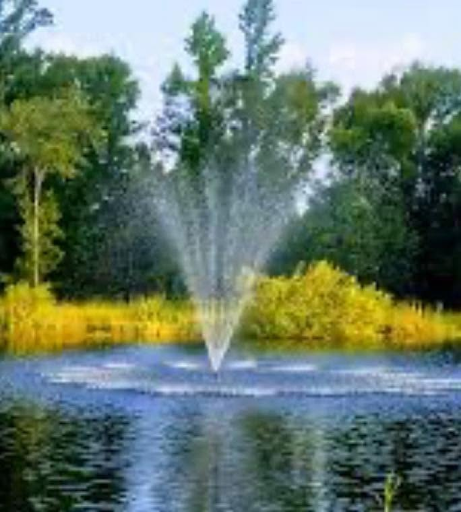
Water features are often used to improve both the visual appeal and functionality of ponds. Proper water movement plays an important role in maintaining water quality, supporting aquatic life, and reducing stagnation. A floating pond fountain offers an effective way to introduce circulation while creating an attractive focal point within the pond environment. These systems are commonly used in residential, commercial, agricultural, and recreational water features because they combine aesthetic value with practical performance.
As pond owners increasingly focus on both appearance and water quality, floating fountains continue to be a popular management solution.
Understanding How Floating Fountains Work
A floating pond fountain operates by drawing water through a pump and projecting it above the pond surface through specialized nozzles. The water then returns to the pond, creating continuous circulation.
This movement helps distribute oxygen throughout the water while promoting more consistent conditions across different areas of the pond. Continuous circulation also contributes to a healthier aquatic environment.
Supporting Water Circulation
One of the primary functions of a floating pond fountain is improving water circulation. Stagnant water conditions can contribute to unpleasant odors, uneven oxygen levels, and increased organic buildup.
By keeping water moving, fountains help create a more balanced pond ecosystem. Improved circulation can also support better water clarity and overall pond performance.
Benefits for Oxygen Transfer
Oxygen is essential for fish, beneficial bacteria, and other aquatic organisms. As the fountain spray interacts with the air, oxygen transfer occurs more effectively than in still water conditions.
Increased oxygen availability can support biological processes that help maintain healthier water conditions. This is particularly beneficial in ponds that contain fish populations or experience warmer seasonal temperatures.
Algae Management Advantages
Poor circulation and nutrient accumulation can contribute to algae growth. While fountains do not eliminate algae directly, they can help create conditions that discourage excessive development.
Improved circulation and oxygen distribution may reduce some of the environmental factors that encourage algae-related issues. As part of a broader pond management strategy, fountains can contribute to better overall water quality.
Aesthetic Value for Landscapes
A floating pond fountain serves as more than a functional piece of equipment. Its water display creates movement, sound, and visual interest that can enhance the appearance of a pond.
Many property owners use fountains as focal points within landscape designs. Decorative spray patterns can add character to residential communities, parks, golf courses, commercial properties, and private estates.
Customizable Spray Patterns
Modern fountain systems often offer multiple nozzle options that create different spray displays. These patterns range from simple vertical streams to elaborate multi-tiered presentations.
The ability to customize water displays allows pond owners to select designs that complement the surrounding landscape while meeting functional circulation goals.
Maintenance Considerations
Routine maintenance helps ensure reliable fountain operation. Regular inspections of pumps, electrical components, and intake areas can help prevent performance issues.
Cleaning debris from fountain systems and monitoring equipment condition supports consistent water movement and extends equipment lifespan. Proper maintenance is an important part of long-term pond management.
Applications Across Different Pond Types
Floating fountains are used in a wide range of environments, including decorative ponds, retention ponds, stormwater basins, golf course water features, and agricultural ponds.
Their versatility allows them to address both visual and functional objectives while adapting to varying pond sizes and management requirements.
Conclusion
Water fountain lights can further enhance pond displays by illuminating spray patterns during evening hours and creating additional visual impact. These lighting systems are often used to highlight fountain features while improving the appearance of ponds after sunset. When combined with effective water circulation, lighting elements contribute to a more attractive and engaging outdoor environment throughout the day and night.
 David Martinez