

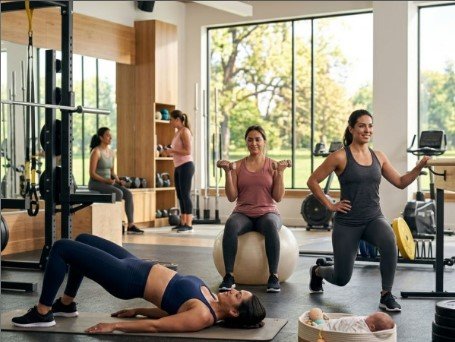
The weeks and months following childbirth are among the most physically demanding periods in a woman’s life, yet the focus on recovery and rehabilitation during this window is often overshadowed by the overwhelming demands of caring for a newborn. A properly designed post natal exercise program provides the structured, progressive framework that new mothers need to restore core stability, rebuild strength, address musculoskeletal imbalances created by pregnancy and delivery, and return to full physical function without risking injury or setback during a period when the body is still healing.
Why Post Natal Exercise Requires a Specialised Approach
Returning to exercise after childbirth is not simply a matter of resuming pre-pregnancy workouts at a lower intensity. Pregnancy and delivery create specific physiological changes that require targeted rehabilitation before general fitness training can resume safely. A post natal exercise program accounts for:
- Diastasis recti, the separation of the rectus abdominis muscles along the midline that occurs to some degree in virtually all pregnancies and requires specific corrective exercise before traditional core training is appropriate
- Pelvic floor weakness caused by the weight of the growing baby, hormonal changes that soften connective tissue, and the physical trauma of vaginal delivery or the surgical recovery following caesarean section
- Joint laxity that persists for several months postpartum due to residual relaxin hormone, increasing the risk of ligament injury during high-impact or heavily loaded exercises
- Postural changes including forward head position, rounded shoulders, and anterior pelvic tilt that develop during pregnancy and are reinforced by the repetitive postures of breastfeeding, carrying, and settling a newborn
What a Good Program Includes
A well-structured post natal exercise program progresses through distinct phases that respect the body’s healing timeline while systematically rebuilding the foundations of functional strength and fitness.
Phase one, typically weeks one through six, focuses exclusively on gentle activation and reconnection exercises. This includes diaphragmatic breathing to restore the coordination between the deep core muscles and the pelvic floor, gentle pelvic floor contractions, basic glute activation, and short walks that gradually increase in duration as energy and comfort allow.
Phase two, typically weeks six through twelve after medical clearance, introduces bodyweight strength exercises targeting the major muscle groups while continuing to prioritise core and pelvic floor rehabilitation. Squats, lunges, modified push-ups, and resistance band exercises build functional strength without placing excessive load on healing tissues.
Phase three, typically from three months onward, progressively increases exercise intensity, introduces external resistance through dumbbells or kettlebells, and begins to include more dynamic movements as the body demonstrates readiness through adequate core control, pelvic floor function, and joint stability.
Common Mistakes to Avoid
Many new mothers make well-intentioned but potentially harmful mistakes when returning to exercise without the guidance of a post natal exercise program designed by a qualified professional:
- Returning to running, jumping, or high-impact classes before the pelvic floor has adequate strength to manage the ground reaction forces involved
- Performing traditional abdominal exercises like crunches, sit-ups, and planks before diastasis recti has been assessed and appropriately managed
- Ignoring pain, pressure, or heaviness in the pelvic region during exercise, which are warning signs of pelvic floor dysfunction that require professional assessment
- Comparing their recovery timeline to other mothers or to social media portrayals of rapid postpartum body transformation that create unrealistic and potentially dangerous expectations
The Role of Professional Guidance
A post natal exercise program supervised by a qualified exercise physiologist or physiotherapist who specialises in postnatal rehabilitation provides the individualised assessment, progression, and monitoring that generic fitness programmes cannot offer. Professional guidance ensures that diastasis recti width and depth are assessed before core exercises are prescribed, pelvic floor function is evaluated and addressed alongside the broader exercise programme, and exercise selection and intensity are modified based on the individual’s delivery type, recovery progress, and any complications.
The Bottom Line
A structured post natal exercise program is not a luxury but a medical-grade rehabilitation pathway that every new mother deserves access to for safe, effective recovery after childbirth. For new mothers in Sydney’s Inner West seeking expert guidance from professionals who specialise in postnatal rehabilitation and women’s health, connecting with an experienced physio in Leichhardt ensures personalised assessment, evidence-based programming, and the ongoing support needed to rebuild strength, confidence, and physical function during one of life’s most transformative chapters.
 Sally
Sally  David Martinez