

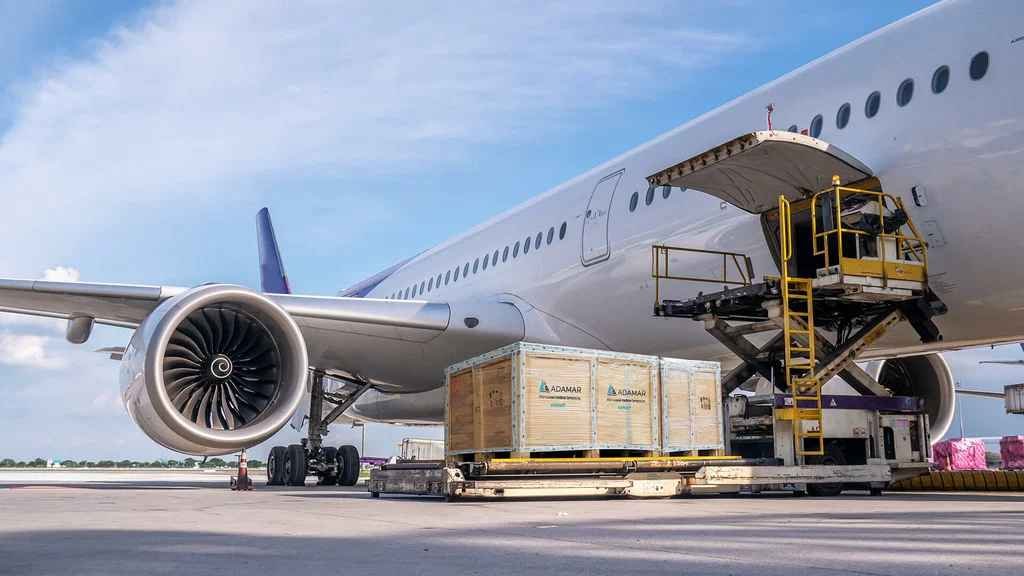
In today’s interconnected world, businesses need fast, reliable, and cost-effective logistics solutions to remain competitive. One of the most effective ways to achieve this is through air cargo transportation, which enables companies to move goods efficiently across countries and continents. From electronics to perishables, air cargo offers unmatched speed, flexibility, and security compared to other shipping methods. Efficient air logistics not only reduces delivery times but also enhances supply chain reliability, helping businesses meet customer demands promptly. By leveraging advanced air freight solutions, companies can streamline operations, improve inventory management, and expand their reach to international markets without compromising quality or efficiency.
Moreover, air cargo transportation supports just-in-time manufacturing models, allowing organizations to maintain lean inventories while still ensuring continuous availability of raw materials and finished products. This mode of transport is particularly valuable for high-value merchandise, temperature-sensitive shipments, and emergency consignments that require strict handling standards. The growing integration of digital booking systems, real-time tracking tools, and automated warehouses has further strengthened the role of air freight in modern trade. Businesses can now plan precise delivery schedules, respond quickly to market fluctuations, and minimize losses caused by transit delays.
Key Strategies for Optimizing Air Cargo Transportation
Optimizing air cargo transportation requires a careful approach that balances speed, cost, and operational efficiency. Businesses must focus on strategy, technology, and logistics partnerships to maximize the benefits of air freight. Understanding market trends, choosing the right carriers, and implementing effective planning can ensure smoother operations, timely deliveries, and minimal disruptions in global trade.
Streamlined Documentation and Compliance
Navigating international shipping regulations can be challenging, but proper documentation and compliance are essential for seamless air cargo transportation. Businesses must ensure that invoices, customs declarations, and permits are accurate and up to date. Using digital platforms for document management reduces errors and speeds up clearance. Regulatory compliance also minimizes the risk of fines or shipment delays, ensuring goods reach their destination on time.
Choosing the Right Cargo Carrier
Selecting an experienced and reliable carrier is critical for efficient air freight. Factors to consider include delivery speed, network coverage, security protocols, and cost-effectiveness. Partnering with carriers that have a strong international presence ensures access to key trade routes and reduces the likelihood of delays. A dependable cargo carrier also provides real-time tracking, allowing businesses to monitor shipments and manage customer expectations effectively.
Optimizing Cargo Packaging and Handling
Proper packaging and handling are vital to protect goods during air transportation. Lightweight, durable materials can reduce shipping costs while safeguarding fragile items. Standardized packaging ensures efficient loading and unloading, reducing transit damage. Businesses should also train staff on handling procedures and use technology such as RFID tagging to track shipments, enhancing visibility and reducing risks of loss or damage during transit.
Leveraging Technology and Automation
Modern air cargo operations rely heavily on technology to optimize logistics processes. Tools such as warehouse management systems, automated booking platforms, and predictive analytics help streamline operations. Data-driven insights allow businesses to plan routes, forecast demand, and monitor shipment performance in real-time. Automation reduces human error, enhances efficiency, and ensures that air cargo transportation aligns with business objectives and market requirements.
Strategic Inventory and Route Planning
Effective air freight management includes careful inventory and route planning. By analyzing demand patterns, businesses can determine optimal shipment schedules, prioritize high-value goods, and minimize storage costs. Strategic planning also involves selecting the fastest, safest, and most cost-effective air routes. Businesses that integrate route planning with inventory management can ensure timely deliveries, maintain product quality, and strengthen customer satisfaction across global markets.
Advanced Practices in International Air Freight
International trade involves complex logistics, and optimizing air cargo transportation on a global scale requires adopting advanced practices and leveraging industry expertise. Businesses that incorporate these strategies achieve faster deliveries, reduced costs, and higher operational efficiency.
Partnering with Logistics Experts
Collaborating with professional logistics providers ensures that businesses can navigate complex international regulations and challenges. Expert partners offer insights into customs processes, cargo documentation, and optimal shipping routes. Their experience reduces risks and enables companies to focus on core operations while maintaining reliable global supply chains.
Monitoring and Tracking Shipments in Real-Time
Real-time tracking systems allow businesses to monitor cargo movements and respond quickly to delays or disruptions. GPS tracking, IoT sensors, and cloud-based dashboards provide continuous visibility of shipments, enabling proactive decision-making. This ensures transparency, reduces risk, and builds customer trust by providing accurate delivery updates.
Cost Management and Freight Consolidation
Efficient air cargo transportation includes cost management strategies such as freight consolidation, volume discounts, and optimized load planning. Consolidating shipments reduces per-unit transportation costs, while strategic scheduling minimizes fuel consumption and labor expenses. Businesses that focus on cost-effective solutions can maintain competitive pricing while ensuring timely delivery to international markets.
Ensuring Safety and Security
Safety and security are critical aspects of air freight, especially for high-value or sensitive goods. Implementing proper security measures, secure packaging, and insurance coverage protects shipments from damage or theft. Regular audits and compliance with international safety standards further enhance the reliability of air cargo operations, giving businesses peace of mind during global transportation.
Sustainability in Air Freight
As environmental concerns grow, sustainable practices are becoming essential in air cargo operations. Businesses can optimize routes to reduce fuel consumption, use eco-friendly packaging, and partner with carriers committed to minimizing carbon emissions. Sustainable logistics not only benefits the environment but also improves corporate reputation and appeals to eco-conscious customers worldwide.
Conclusion
For businesses aiming to expand globally, cargo freight international solutions play a vital role in ensuring timely, safe, and efficient shipments. Optimizing air cargo transportation through strategic planning, reliable carriers, advanced technology, and compliance with international standards allows companies to strengthen supply chains, reduce costs, and meet customer expectations across borders. Effective air logistics enable businesses to maintain competitive advantage while delivering consistent service to global clients.
For companies seeking professional air freight and cargo solutions,AVR Logistics offers expert services, real-time tracking, and customized logistics strategies. Their team ensures seamless international shipping, helping businesses manage shipments efficiently while maintaining safety, reliability, and cost-effectiveness across global markets.They also provide guidance on packaging, route optimization, and documentation support to maximize efficiency and ensure smooth operations for all international air cargo needs.
 Kathie