

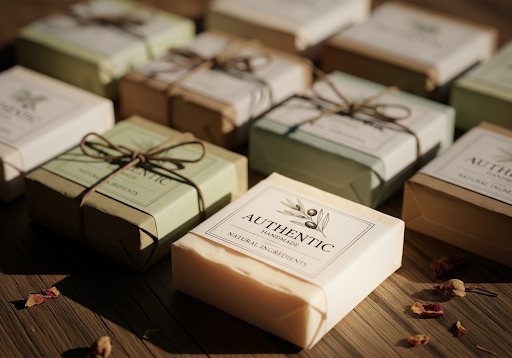
With the popularity of brightening cleansers, more people are searching for authentic kojic acid soap. Unfortunately, this demand has also led to a market where some products use confusing labels or imitate reputable brands without offering the same quality. Learning how to distinguish genuine kojic soap from questionable alternatives is important for both safety and results.
Why Authenticity Matters in Brightening Soaps
Authentic products are formulated with known concentrations of kojic acid and tested for stability, safety, and performance. Genuine kojic soap should follow cosmetic regulations in terms of ingredient disclosure and manufacturing practices. In contrast, unregulated or counterfeit products may contain undisclosed ingredients, inappropriate concentrations, or harsh additives.
Using low‑quality or fake whitening soaps can increase the risk of irritation, allergic reactions, or uneven results. In extreme cases, unlisted ingredients may pose health concerns, especially when applied over large body areas.
Checking Ingredient Lists and Labelling
One of the first steps in identifying an authentic kojic acid bar is reading the ingredient list. Legitimate products clearly state their ingredients, often in descending order of concentration, in line with cosmetic labelling standards. Kojic acid or its derivatives should appear on this list, alongside cleansing agents, moisturizers, and other components.
Be cautious of products that only use vague terms like “whitening agent” without specifying which substances are present. Incomplete labels, missing manufacturing information, or absent contact details for the brand can be warning signs.
Packaging and Brand Transparency
Quality brightening bars typically come in packaging that includes batch numbers, expiry or manufacturing dates, and brand contact information. This transparency helps users trace the product’s origin and confirms that the manufacturer takes accountability seriously. Some brands also provide educational content about how to use their products safely, which is a positive indication.
Counterfeit products might attempt to copy the appearance of known brands but often show minor spelling errors, low‑resolution printing, or missing authenticity seals. Comparing packaging with official images from the brand’s website can help identify inconsistencies.
Purchasing from Reliable Sources
Where you buy your kojic soap matters as much as the brand itself. Purchasing directly from a brand’s official website or from authorized retailers reduces the likelihood of receiving imitation goods. Online marketplaces with multiple third‑party sellers can be convenient, but they also increase the chance of counterfeit listings.
Reading reviews and checking seller ratings can provide additional context. If a deal seems unusually cheap compared to pricing from verified sources, it may be worth questioning whether the item is genuine.
Texture, Colour, and Consistency
While appearance alone is not a definitive measure of authenticity, it can offer clues. Authentic kojic acid soap often has a consistent colour and texture from bar to bar. Extreme variations, crumbling texture, or strong, unusual odours may indicate quality control issues.
However, because different brands use different base ingredients and fragrances, users should rely primarily on ingredient lists and purchase channels rather than colour alone. Some reputable products may be lighter or darker depending on their full formulation.
Paying Attention to Skin Response
Even genuine products can cause irritation in some individuals, especially if used too frequently or on very sensitive skin. However, extremely strong burning, peeling, or unexplained reactions should prompt a reconsideration of the product’s authenticity and suitability.
If a new soap causes severe discomfort, stop using it and consult a healthcare professional if needed. Keep packaging and receipts, as they may be useful for reporting concerns to regulatory authorities or brand representatives.
Conclusion
Identifying authentic kojic acid soap involves examining ingredient lists, packaging details, purchase sources, and the overall transparency of the brand. Choosing genuine kojic soap from reputable vendors supports safer, more predictable results and reduces the risk associated with counterfeit or poorly formulated products. By taking a few extra steps before buying, consumers can better protect both their skin and their investment in brightening care.
 Kathie