

Italian cuisine is one of the most celebrated culinary traditions in the world, known for its simplicity, regional diversity, and deep cultural roots. Today, every Italian restaurant faces the challenge of balancing time-honoured practices with the expectations of modern diners. Despite evolving tastes, successful establishments continue to preserve tradition while adapting to contemporary dining trends. This careful balance is what keeps Italian cuisine both authentic and relevant.
The Importance of Regional Authenticity
One of the defining characteristics of an authentic Italian restaurant is its commitment to regional cuisine. Italy’s food culture varies significantly from region to region, from the rich, creamy dishes of the north to the tomato-based and olive oil-driven recipes of the south. Many restaurants maintain this authenticity by focusing on specific regional menus rather than offering generalized Italian dishes.
Chefs often study traditional recipes and cooking methods passed down through generations. By doing so, they ensure that dishes like risotto, pasta, and wood-fired pizza remain true to their origins. This dedication allows diners to experience genuine Italian flavours without travelling to Italy.
Traditional Cooking Techniques
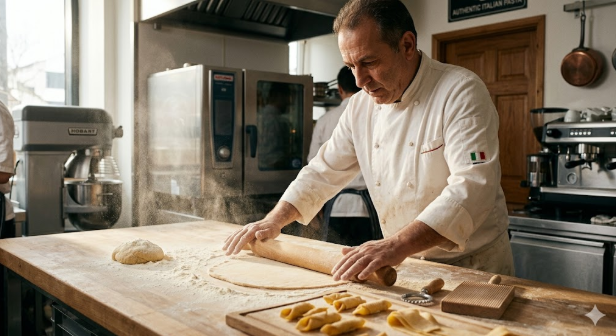
Preserving traditional cooking techniques is another way an Italian restaurant maintains its heritage. Methods such as slow cooking sauces, hand-rolling pasta, and baking pizza in wood-fired ovens are essential elements of Italian cuisine. These techniques are not just about taste but also about honouring the process.
Modern kitchens may incorporate advanced equipment for efficiency, but many chefs deliberately retain manual methods to ensure authenticity. For example, fresh pasta made by hand has a texture and flavour that cannot be replicated by machines. This commitment to craftsmanship is a cornerstone of traditional Italian cooking.
High-Quality, Simple Ingredients
Italian cuisine is built on the philosophy that high-quality ingredients require minimal manipulation. A reputable Italian restaurant prioritizes fresh, seasonal, and often locally sourced ingredients. Staples such as olive oil, tomatoes, garlic, and herbs are used in ways that highlight their natural flavours.
Many restaurants also import key ingredients directly from Italy, such as Parmigiano-Reggiano cheese or San Marzano tomatoes, to maintain authenticity. At the same time, they adapt by sourcing local alternatives when necessary, ensuring sustainability without compromising taste.
Adapting to Modern Dietary Preferences
While tradition is essential, modern diners often have specific dietary needs and preferences. A successful Italian restaurant adapts by offering gluten-free pasta, vegan alternatives, and lighter versions of classic dishes. This flexibility allows restaurants to cater to a broader audience without losing their traditional identity.
The challenge lies in making these adaptations without altering the essence of the dish. Skilled chefs achieve this by using innovative techniques and carefully selected ingredients that mimic traditional flavours and textures.
Contemporary Presentation and Dining Experience
Presentation has become increasingly important in modern dining. While traditional Italian meals were often served in a rustic and straightforward manner, today’s Italian restaurant blends this simplicity with refined plating techniques. The goal is to enhance visual appeal while maintaining authenticity.
In addition to presentation, the overall dining experience has evolved. Many restaurants now combine traditional décor elements, such as warm colours and rustic furnishings, with modern design features. This creates an inviting atmosphere that reflects both heritage and contemporary style.
Technology and Innovation in Italian Restaurants
Technology plays a significant role in modern dining, and Italian restaurants are no exception. From digital menus to online reservations and delivery services, technology helps improve customer convenience. However, the essence of tradition is preserved by ensuring that these innovations do not interfere with the quality of food or the dining experience.
Some restaurants also use modern culinary techniques, such as sous vide cooking, to enhance consistency while maintaining traditional flavours. This thoughtful integration of technology allows them to meet modern expectations without sacrificing authenticity.
Conclusion
Italian restaurants continue to thrive because they respect tradition while embracing change. By preserving regional authenticity, using traditional techniques, prioritizing quality ingredients, and adapting to modern preferences, each Italian restaurant creates a dining experience that is both timeless and contemporary. Whether dining in or exploring services like catering in Windsor, the essence of Italian cuisine will always lie in its ability to honour the past while welcoming the future. As the industry evolves, this balance will remain essential.
 David Martinez