

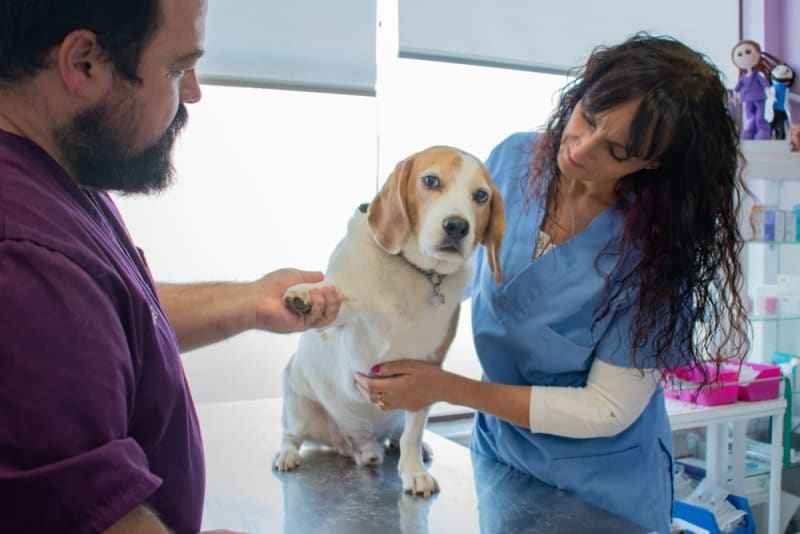
Orthopedic injuries in pets, including fractures, ligament tears, and joint disorders, require specialized surgical attention to ensure optimal recovery and long-term mobility. Such conditions can significantly impact a pet’s quality of life, causing pain, discomfort, and limited movement, which, if left untreated, may lead to further complications. The best orthopedic veterinary surgeons combine precise surgical techniques, advanced diagnostic tools, and comprehensive post-operative care to accelerate healing and improve overall outcomes. Their expertise allows them to create individualized treatment plans that consider the pet’s age, breed, and medical history, ensuring each procedure is tailored for maximum effectiveness. Faster recovery not only restores mobility but also reduces the risk of chronic joint problems, secondary injuries, and prolonged discomfort.
Understanding how these experts approach diagnosis, surgery, and rehabilitation can help pet owners make informed decisions and ensure their pets regain strength and agility efficiently.
Precise Diagnosis and Customized Treatment Plans
- Advanced Imaging Techniques:
X-rays, CT scans, and MRI scans provide detailed insights into bones, joints, and soft tissues. These imaging tools allow surgeons to precisely identify the location and severity of the injury. Accurate diagnosis ensures a focused surgical plan, minimizing risks and improving recovery outcomes. - Individualized Recovery Plans:
Treatment strategies are customized based on the pet’s age, breed, weight, and medical history. Personalized plans avoid unnecessary procedures and focus on interventions that accelerate healing. Tailored recovery schedules also account for the pet’s activity level, promoting safe and efficient rehabilitation. - Early Intervention Strategies:
Prompt recognition of orthopedic issues allows for immediate corrective measures before complications arise. Early treatment reduces the likelihood of chronic joint problems or secondary injuries. By addressing the condition quickly, recovery time is significantly shortened, and overall outcomes improve.
Accurate diagnosis is the foundation for faster recovery. The orthopedic veterinary surgeons prioritize precision to ensure treatment is targeted and effective.
Minimally Invasive and Advanced Surgical Techniques
- Arthroscopy and Laser-Assisted Procedures:
Minimally invasive techniques reduce trauma to surrounding tissues during surgery. These procedures decrease post-operative pain, allowing pets to start moving sooner. Faster healing and less discomfort contribute directly to quicker recovery and improved mobility. - Precision Implant Placement:
Specialized screws, plates, and pins ensure accurate alignment of bones and joints. Proper implant positioning stabilizes the surgical site and promotes natural healing. This precision reduces complications and accelerates the overall rehabilitation process. - Efficient Surgery Protocols:
Streamlined surgical techniques minimize operation duration and exposure to anesthesia. Reduced anesthesia time lowers the risk of complications and enhances post-operative energy. Faster, safer procedures support a smoother recovery timeline for pets. - International Best Practices:
Surgeons adopt globally recognized standards and protocols to maintain top-quality care. Following best practices ensures consistent surgical success and minimizes post-operative risks. Pets benefit from world-class techniques locally, leading to reliable and faster recovery.
Modern orthopedic surgery is designed to minimize trauma, allowing pets to regain mobility much sooner than traditional methods.
Effective Pain Management for Rapid Healing
- Targeted Pain Relief:
Medications, anti-inflammatories, and local anesthetics manage post-operative discomfort effectively. Reducing pain encourages pets to move naturally, which is essential for joint and muscle recovery. Proper pain control minimizes stress and supports faster, smoother healing after surgery. - Comfort-Oriented Recovery Environments:
Soft bedding, quiet surroundings, and gentle handling create a stress-free healing space. Controlled activity ensures pets do not overexert themselves while regaining mobility. A comfortable environment enhances recovery speed and overall well-being during convalescence. - Continuous Monitoring:
Regular observation of vital signs and surgical sites helps detect complications early. Prompt intervention prevents setbacks that could prolong recovery and cause discomfort. Ongoing monitoring ensures the healing process remains on track for a faster, safer outcome. - Owner Guidance:
Clear instructions on medication, wound care, and daily activity support proper recovery at home. Educating owners helps maintain consistency between clinic and home care routines. Active participation by pet owners enhances compliance, accelerating healing and improving outcomes.
Pets that experience less pain are more willing to engage in physical activity, which is crucial for faster recovery.
Structured Rehabilitation and Physical Therapy
- Customized Exercise Plans:
Tailored exercises focus on strengthening weakened muscles and improving joint flexibility. Progressive routines restore balance, coordination, and overall mobility safely.
Individualized plans ensure the pet regains functional movement efficiently and effectively. - Hydrotherapy Programs:
Water-based therapy reduces weight-bearing stress on healing bones and joints. Buoyancy allows pets to exercise muscles safely while minimizing pain and risk of re-injury. Consistent hydrotherapy accelerates mobility recovery and enhances overall physical strength. - Gradual Activity Increase:
Controlled escalation of activity ensures the surgical site heals properly without strain. Step-by-step routines rebuild endurance, strength, and confidence in movement. Gradual progression prevents setbacks and promotes faster functional recovery. - Ongoing Assessment:
Regular evaluations track the pet’s progress throughout the rehabilitation process. Surgeons adjust exercises and therapies based on healing and individual response. Continuous monitoring optimizes recovery speed and maximizes long-term mobility outcomes.
Rehabilitation is an integral part of orthopedic care. Regular, targeted exercises accelerate recovery and improve long-term outcomes.
Holistic Support and Nutrition for Healing
- Diet and Supplements:
A balanced diet provides essential nutrients that support tissue repair and bone regeneration. Joint-support supplements like glucosamine, chondroitin, and omega-3 fatty acids enhance mobility. Proper nutrition accelerates healing, strengthens the musculoskeletal system, and improves overall recovery outcomes. - Hydration and Wellness Monitoring:
Adequate water intake is crucial for cellular repair and maintaining healthy metabolic functions. Monitoring hydration ensures the body efficiently supports healing processes after surgery. Consistent wellness checks contribute to a faster, safer recovery and reduce post-operative complications. - Behavioral Encouragement:
Gentle physical activity stimulates movement without overstraining healing joints. Mental stimulation and emotional reassurance reduce stress and improve cooperation during rehabilitation. Encouraging positive behaviors promotes active participation, which accelerates functional recovery. - Home Care Guidance:
Owners receive detailed instructions on medication, feeding, and activity restrictions at home. Clear guidance ensures continuity of care, complementing clinical treatment and therapy sessions. Proper home management supports faster healing, minimizes complications, and reinforces surgical success.
Holistic care, including nutrition and emotional support, complements surgical recovery and ensures pets regain health faster.
Conclusion
Faster recovery in pets is a combination of accurate diagnosis, advanced surgical techniques, targeted pain management, structured rehabilitation, and holistic care. The best orthopedic veterinary surgeons integrate all these elements to ensure pets regain mobility efficiently and safely. Early intervention, personalized treatment, and professional guidance are key factors in achieving optimal outcomes.
For pet owners seeking comprehensive care, visiting Pet Point Veterinary Clinic for orthopedic surgery for pets in Dubai provides access to expert surgeons and tailored recovery programs designed to restore strength, comfort, and vitality to your pets.
 Sally
Sally