

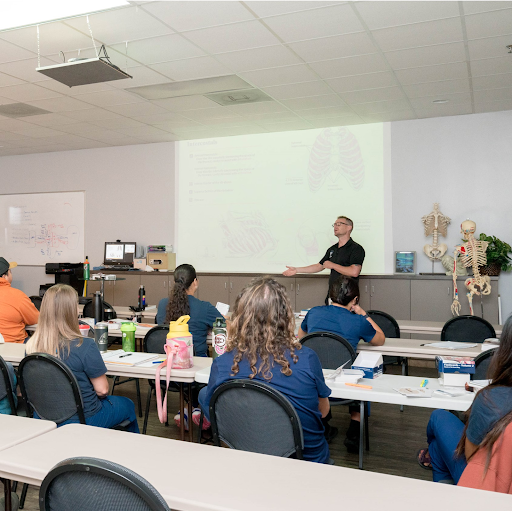
Starting a career in massage therapy can be a fulfilling journey, offering not only personal satisfaction but also solid employment opportunities. However, one of the main barriers aspiring massage therapists face is the cost of education. If you’re searching for massage therapy training near me, you may be wondering about the financial options available to make your dream more attainable. In this blog, we’ll break down the key ways you can finance your massage therapy education, including grants, student loans, and flexible payment plans. Whether you’re considering enrolling at a local institution like the Massage Academy of San Antonio or exploring other options, this guide will help you make informed financial decisions.
Understanding the Costs of Massage Therapy Schooling
Before diving into financing, it’s important to understand the typical expenses associated with massage therapy schooling near me. Tuition costs vary depending on the location, school reputation, and length of the program. On average, tuition for massage therapy can range from $6,000 to $15,000, depending on the school and whether the program includes specialized training such as sports massage, deep tissue, or medical massage.
Additional costs may include textbooks, supplies (such as massage tables, oils, and linens), uniforms, and insurance. It’s essential to factor in all these expenses when considering how much you’ll need to finance.
1. Federal and State Grants
Grants are a great starting point because they do not need to be repaid. Federal grants, such as the Pell Grant, are awarded based on financial need and can significantly offset tuition costs. To apply, you’ll need to complete the Free Application for Federal Student Aid (FAFSA). Some massage schools, including institutions for Massage Academy in San Antonio, participate in Title IV federal financial aid programs, making it easier for students to access these funds.
In addition to federal grants, some states offer their own grant programs for vocational training and trade schools. If you’re based in Texas, check out opportunities through the Texas Workforce Commission, which supports vocational programs that lead to in-demand jobs, including massage therapy.
2. Scholarships
While not as widely available as grants, scholarships for massage therapy students can provide valuable financial assistance. These can be offered by massage schools, professional organizations, community foundations, and even local businesses.
Organizations such as the American Massage Therapy Association (AMTA) and the Massage Therapy Foundation periodically offer scholarships to students enrolled in massage programs. Local massage therapy schools may also offer merit-based or need-based scholarships, so it’s always worth asking admissions officers about current opportunities.
3. Federal and Private Student Loans
If grants and scholarships don’t cover your full tuition, federal student loans are the next option. Direct Subsidized Loans and Direct Unsubsidized Loans are available through the U.S. Department of Education and offer competitive interest rates, flexible repayment plans, and potential deferment options.
You’ll need to submit the FAFSA to determine your eligibility and loan limits. Federal loans typically offer more favorable terms than private loans, including income-driven repayment and forgiveness programs for certain careers.
Private loans are also an option, especially for students who don’t qualify for enough federal aid. These loans are issued by banks or credit unions and often require a co-signer. It’s crucial to compare interest rates, fees, and repayment terms before committing to a private loan.
4. In-House Payment Plans
Many massage schools offer in-house financing or monthly payment plans to help students spread the cost of tuition over the duration of their program. This can be an excellent alternative for students who want to avoid borrowing money or who are ineligible for federal aid.
For instance, if you’re considering a reputable school, ask their financial aid office about payment plan options. These plans may require a small down payment, followed by fixed monthly payments with little to no interest, depending on the school’s policy.
5. Workforce Development and Employer Sponsorship
Another lesser-known option is workforce development funding. Local agencies, such as workforce development boards or unemployment offices, often fund retraining programs for eligible individuals. If you’re changing careers or have recently lost a job, you might qualify for funding to attend massage therapy training near me.
Some employers in the wellness or healthcare sector may also offer sponsorships or tuition reimbursement if you agree to work with them after graduation. This can be a win-win situation for both the student and employer.
Conclusion
Financing your massage therapy education doesn’t have to be a roadblock. With a combination of grants, scholarships, loans, and flexible payment options, the path to becoming a massage therapist is more accessible than ever. Whether you’re just starting your search for massage therapy training near me or have already set your sights on a reputable institution, there are multiple ways to fund your journey. By doing your research, completing the FAFSA, and reaching out to schools directly, you can unlock a variety of resources that will support your educational goals. Start by exploring what options are available in your area and don’t hesitate to ask for guidance from financial aid advisors. If you’re serious about a rewarding career in massage therapy, schools like AMTT San Antonio can help turn that vision into reality.
 David Martinez