

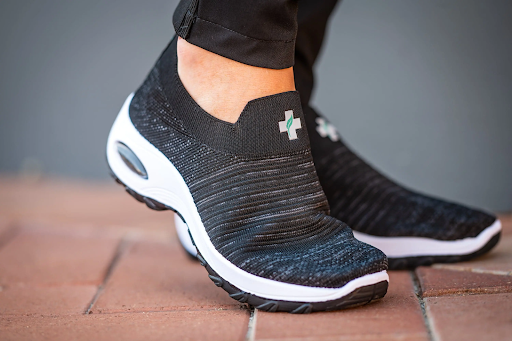
When you’re working 10 to 12-hour shifts on your feet, there’s one piece of equipment you simply can’t afford to get wrong—your nursing shoes. These aren’t just accessories to complete a uniform; they are the foundation of comfort, posture, and performance. Choosing the right pair can mean the difference between ending your shift energised or hobbling to your car with aching feet, sore knees, and a tired back.
With so many options available, it can be difficult to know where to start. From clogs to sneakers, from foam soles to gel insoles, finding the perfect match for your specific work style takes a bit of research and reflection. In this blog, we’ll guide you through how to evaluate your shift needs, understand the types of footwear available, and choose the best nurses shoes for long-lasting support.
Understanding Your Shift Demands
The first step in selecting the right pair of shoes is understanding your typical shift. Do you work primarily in emergency care with a fast-paced, non-stop schedule? Or are you in aged care or pediatrics, where the movement may be less constant, but you’re still on your feet for most of the day?
Those in critical care or surgical wards might benefit from lightweight sneakers that offer excellent traction and breathability. Nurses in outpatient settings or specialised care may find that slip-on clogs offer better flexibility and easy cleaning. Your shoe choice should align with the physical pace and environment of your work.
Key Features to Look for in Nursing Footwear
Let’s break down what matters most when shopping for shoes for nurses. While style and colour options might be tempting, your priority should be comfort, durability, and practicality. Here are the core features to consider:
1. Support and Cushioning
A high-quality pair of shoes should offer excellent arch support, heel stability, and sufficient cushioning throughout the sole. This reduces the impact on joints during long hours of walking or standing and helps maintain spinal alignment.
2. Non-Slip Soles
Hospital floors can be unpredictable—spills, leaks, and polished surfaces are common hazards. Slip-resistant soles are a must-have, especially for nurses working in high-traffic areas like the ER or ICU.
3. Breathability
When you’re wearing your shoes for 12 hours straight, airflow becomes essential. Moisture-wicking linings, mesh panels, and antimicrobial materials can keep your feet cool and reduce the risk of fungal infections.
4. Easy Maintenance
Let’s face it—shoes get dirty. Choosing footwear made from materials that are easy to wipe down or even machine washable can save you time and ensure hygienic standards are met.
5. Lightweight Yet Durable
Heavy shoes can lead to leg fatigue over time. Look for lightweight designs that still provide durability. EVA foam, synthetic leather, and advanced mesh fabrics are common in premium nursing shoes in Australia lines for this very reason.
Matching Shoe Types to Nursing Roles
Different nursing roles come with varying levels of movement, so it’s important to choose a style that reflects your shift pattern.
- Clogs: Popular for their slip-on convenience and ergonomic build. Best for nurses in less physically demanding departments or administrative clinical roles.
- Athletic Sneakers: Great for active roles such as ER nurses or floor supervisors who need to be mobile and quick on their feet.
- Slip-Resistant Slip-Ons: Ideal for fast-paced settings where spills are common. They’re practical, easy to clean, and designed for movement and protection.
Each of these types has pros and cons depending on how much walking you do, how often you’re lifting patients, or whether you’re working in sterile environments.
Personal Fit Matters
Don’t underestimate the importance of trying before buying—if possible, always try shoes on after a long day when your feet are more swollen to ensure a true fit. Also, consider if you’ll be wearing compression socks or orthotic insoles, which can affect sizing and fit.
Remember to test:
- Toe room: Your toes should have space to wiggle, but not too much.
- Heel grip: Your heel should feel secure with no slipping.
- Flexibility: The shoe should flex at the ball of the foot, not the arch.
If you’re shopping online, check return policies and sizing guides carefully. Many retailers specialising in nursing shoes australia offer flexible exchange options to accommodate busy healthcare workers.
Popular Brands and Where to Shop
While brand preference is subjective, companies that specialise in healthcare apparel often offer shoes tailored for nursing professionals. Look for stores and online platforms that curate their footwear specifically for medical environments—these retailers usually test their products for safety, comfort, and long-term wear.
Some popular choices for nurses shoes include brands that emphasise orthopedic support, antimicrobial design, and workplace compliance. Check reviews from other healthcare professionals, and don’t hesitate to invest a little more for a pair that will last and protect your health.
Don’t Forget Shoe Rotation and Replacement
Even the best shoes for nurses won’t last forever. Rotating between two pairs can extend their life and allow each pair to decompress between shifts. A good rule of thumb is to replace your shoes every 6 to 8 months, or as soon as the tread wears thin or the cushioning begins to break down.
Your body will tell you when your shoes are no longer up to the task—don’t ignore signs like foot pain, new joint aches, or increased fatigue at the end of your day.
Final Thoughts
Investing in the right nursing shoes isn’t just about style—it’s about ensuring your long-term health and well-being in a demanding profession. By considering your shift environment, workload, and personal needs, you can find footwear that supports your every move while keeping you comfortable and protected.
 David Martinez