

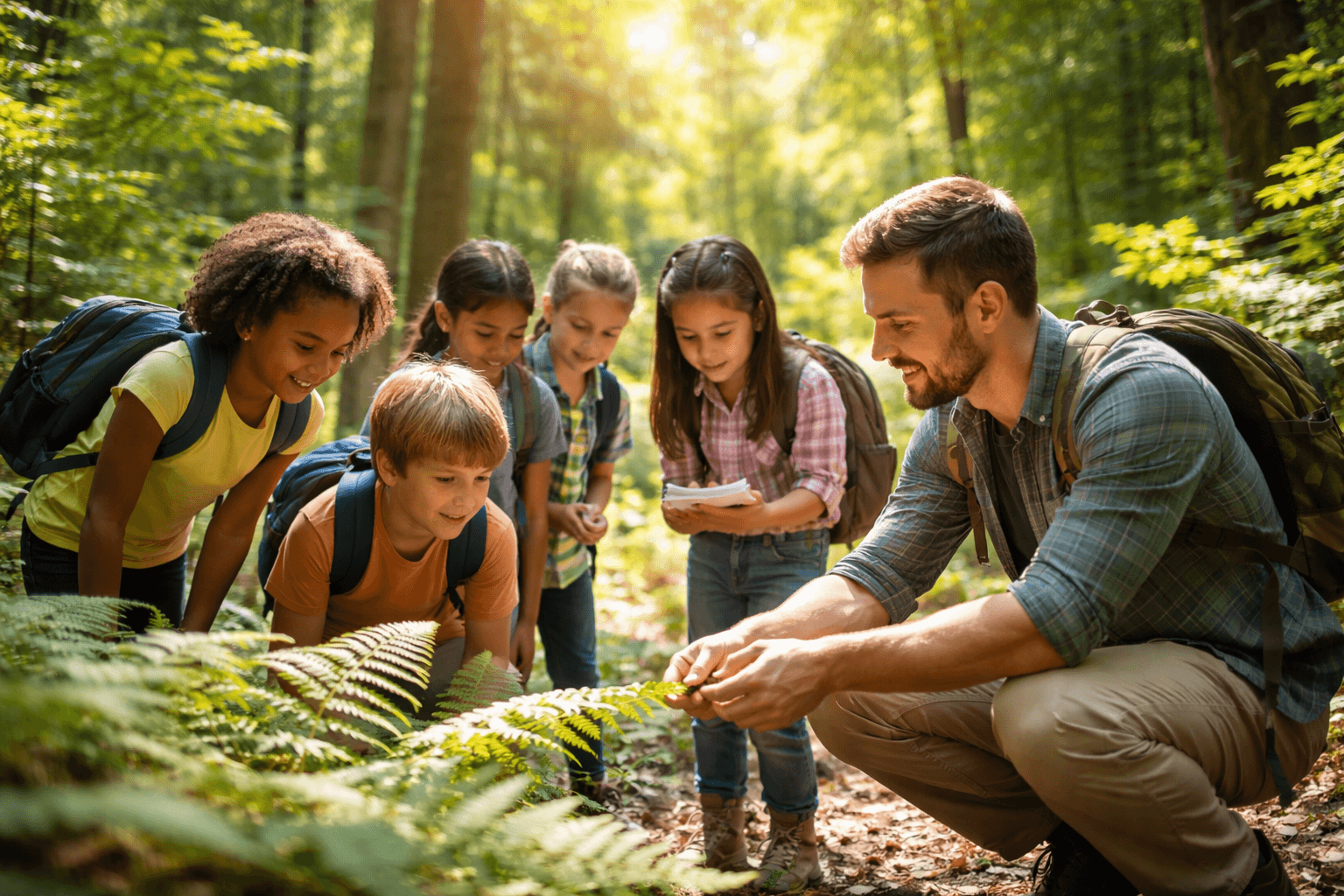
Introduction: Why Children Need the Wilderness More Than Ever
Today’s children are growing up in a fast-paced digital world where screens often replace real-world experiences. While technology has its benefits, it cannot replace the deep learning, emotional growth, and confidence that come from spending time in nature. Wilderness experiences offer children something classrooms alone cannot — space to explore, challenge themselves, and discover who they truly are.
Nature is not just a place to visit. It is a powerful learning environment that shapes character, creativity, and resilience.
The Impact of Wilderness on a Child’s Growth
1. Nature Supports Emotional and Mental Well-Being
Spending time outdoors helps children feel calmer, more balanced, and emotionally secure. Natural environments reduce stress, improve mood, and help children develop emotional awareness. When kids step into open spaces, their minds slow down, allowing them to focus and reflect more clearly.
This emotional stability directly supports better learning and healthier relationships.
2. Wilderness Builds Confidence Through Real Experiences
In nature, children face real challenges — navigating trails, working as a team, solving problems, and making decisions. These moments teach responsibility and independence in ways that structured classrooms often cannot.
Each small success outdoors builds confidence and helps children trust their abilities.
3. Outdoor Learning Encourages Curiosity and Creativity
Nature invites children to ask questions, explore freely, and learn through discovery. Instead of memorizing facts, kids observe patterns, test ideas, and learn by doing. This hands-on learning strengthens critical thinking and sparks creativity.
When learning feels like exploration, children stay engaged and motivated.
4. Wilderness Strengthens Social Skills and Teamwork
Outdoor activities naturally promote cooperation. Children learn to communicate clearly, listen to others, and work together toward shared goals. These experiences develop empathy, leadership, and respect — skills essential for success both in and out of school.
Nature creates an equal space where every child can contribute.
5. A Deeper Connection With the Natural World
When children spend time in wilderness settings, they develop appreciation and respect for the environment. This connection encourages responsibility and awareness that often lasts into adulthood.
Children who value nature are more likely to protect it and make thoughtful choices for the future.
How Schools and Families Can Encourage Wilderness Learning
- Introduce regular outdoor learning days or nature walks
- Use outdoor spaces as extensions of the classroom
- Encourage hands-on activities like observation, journaling, and exploration
- Plan family time in natural settings such as parks or trails
- Allow children to take safe risks and learn from experience
Small steps can create meaningful changes in a child’s growth and mindset.
Conclusion: The Wilderness as a Life-Changing Classroom
Wilderness experiences do more than educate — they transform. When children learn in nature, they grow stronger emotionally, socially, and intellectually. They gain confidence, curiosity, and a sense of belonging that no textbook can provide.
By bringing children closer to the natural world, we expand their understanding of life, learning, and themselves.
For More Info Visit:- marketingbiznews.com
 Kathie
  David Martinez