

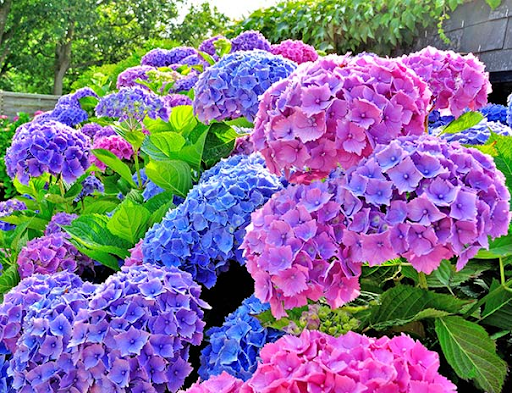
Bringing home a hydrangea is more than adding color to your garden; it’s investing in a long‑lasting, rewarding plant. When you purchase hydrangea plants for sale from a variety of plants, it’s important to understand that newly acquired shrubs may face transplant shock, changes in moisture, or sun and shade stress. With proper care and attention to their specific needs, these moisture-loving plants can quickly establish themselves and thrive, producing vibrant blooms year after year. The following tips will help your hydrangeas flourish in their new environment.
Unpacking and Initial Acclimation
Upon receiving hydrangea plants for sale, remove packaging, check soil moisture, and water if dry. Let the plant rest in a shaded area for 24–48 hours before planting. Dig a hole twice the root ball’s width, amend the soil with compost, and plant at the original depth to reduce transplant shock.
Watering and Moisture Management
Hydrangeas need consistent moisture to thrive. Water deeply, 1–2 inches per week, to avoid waterlogging. Early-morning watering at the base reduces the risk of fungal infection. Apply organic mulch like shredded bark or compost to retain soil moisture, regulate temperature, and suppress weeds, keeping mulch a few inches from the stem to prevent rot.
Proper Sunlight and Placement
Placement is key when caring for hydrangea plants for sale. Most hydrangeas prefer morning sun and dappled afternoon shade, which allows them to photosynthesise without overheating or wilting in intense midday sun. Bigleaf (Hydrangea macrophylla) and mountain hydrangeas thrive in partial shade, while panicle (H. paniculata) and oakleaf (H. quercifolia) varieties tolerate slightly more sun if moisture is sufficient. Balance light exposure to ensure vibrant flowering without leaf scorch.
Fertilising and Soil Nutrition
After planting, a balanced, slow‑release fertiliser supports healthy growth and abundant blooms. Conduct a basic soil test to determine nutrient needs or consult with a gardening specialist. In general, apply a fertiliser with equal nitrogen (N), phosphorus (P), and potassium (K) components in spring and again in mid‑summer. Avoid high‑nitrogen formulas that encourage foliage growth at the expense of flowers. A handful of compost or well‑rotted manure mixed into the soil around the plant also improves nutrient availability.
Pruning for Health and Blooms
Pruning enhances plant structure, encourages new growth, and can help manage flowering. Timing and technique depend on the hydrangea type. Bigleaf and oakleaf hydrangeas bloom on old wood and should only be lightly pruned immediately after flowering to avoid cutting off next season’s buds. Panicle and smooth hydrangeas, which bloom on new wood, can be pruned in late winter or early spring to shape the shrub and promote future blooms. Regularly removing spent flower heads also keeps the plant tidy and encourages continued blooming.
Monitoring for Pests and Diseases
After purchase, hydrangeas should be routinely inspected for signs of pests, fungal issues, or nutrient deficiencies. Wilting, discoloured leaves, or brown spots can signal problems ranging from under‑watering to fungal infections. Good air circulation, targeted watering at the base, and mulch management can reduce disease risks. If issues persist, consult local gardening resources for integrated pest management solutions.
Conclusion: Helping Your Hydrangeas Flourish
Hydrangea plants for sale are an exciting addition to any garden, but ensuring their long‑term health depends on thoughtful post‑purchase care. Proper acclimation, watering, correct sunlight exposure, and soil nutrition are fundamental to helping your hydrangeas establish strong roots and productive growth. Regular maintenance, including pruning and vigilance against pests, further ensures vibrant blooms. Whether you’re new to gardening or an experienced grower, applying these care principles will help your hydrangeas thrive and reward you with spectacular seasonal beauty. With the right attention and quality plants, choosing plants for sale becomes the start of a long‑lasting and fulfilling gardening journey.
 Sally
Sally  David Martinez