

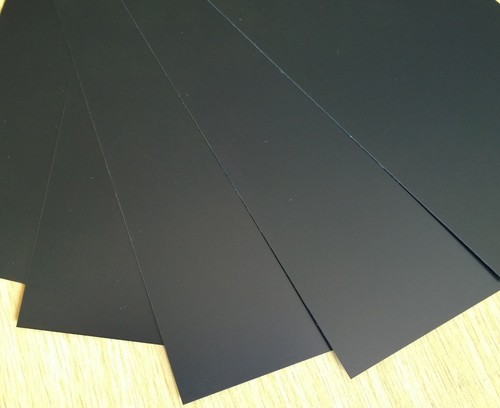
Material performance is no longer evaluated on strength alone; durability, finish quality, and lifecycle value now define true efficiency in modern manufacturing and construction. Among advanced surface treatments, black anodised aluminium has established itself as a benchmark for reliability and refined appearance. Its growing adoption across industries is driven by its ability to deliver consistent performance in demanding environments while maintaining a sophisticated visual profile. Unlike conventional coatings that deteriorate over time, anodised finishes integrate with the base material, offering enhanced resistance and longevity. This makes it a strategic choice for projects where long-term durability and minimal maintenance are critical.
Understanding the technical and practical advantages behind this material reveals why it continues to outperform alternative finishing solutions in both industrial and architectural applications.
Superior Surface Strength and Resistance Capabilities
- Improved resistance to oxidation in humid and coastal environments
- Ability to withstand temperature fluctuations without surface degradation
- A non-reactive surface reduces the risk of chemical damage
- Enhanced load-bearing support when used in structural assemblies
- Reduced risk of micro-cracks and surface fatigue over time
The durability of anodised aluminium originates from its electrochemical transformation, which strengthens the surface rather than simply covering it. This results in a hardened exterior that performs exceptionally well under mechanical stress and environmental exposure. In industrial settings where metals are exposed to moisture, chemicals, and varying temperatures, this resilience significantly reduces degradation. The material retains its integrity even after prolonged use, ensuring consistent performance without structural compromise. This makes it particularly suitable for sectors that demand long-term reliability and reduced maintenance intervention.
Consistent Aesthetic Appeal with Long-Term Stability
- Retains matte or satin finish without surface distortion
- Minimal risk of staining from environmental pollutants
- Consistency across large production batches for uniform installations
- Reduced need for refinishing or repainting over time
- Supports modern design trends requiring minimalistic and sleek finishes
Visual consistency plays a critical role in modern design, especially in architecture and consumer-facing applications. The deep tone achieved through black anodised aluminium offers a refined and contemporary look that aligns with current design preferences. Unlike painted surfaces that may chip or lose vibrancy, the anodised finish remains stable over time. This ensures that installations maintain their original appearance even when exposed to sunlight and environmental stress. The ability to preserve both color and texture makes it a reliable option for projects where aesthetics are as important as performance.
Versatility Across Industrial and Architectural Applications
- Suitable for both indoor and outdoor applications without performance loss
- Easily adaptable for custom fabrication and machining processes
- Supports integration with glass, steel, and composite materials
- Widely used in transportation, infrastructure, and consumer products
- Enables precision detailing for high-end design applications
One of the defining advantages of anodised aluminium is its adaptability across various industries. From architectural frameworks and façade systems to electronic enclosures and automotive components, its application range is extensive. The material’s lightweight nature allows for efficient handling and installation, while its strength supports structural demands. Designers and engineers benefit from its ability to meet both functional and visual requirements without compromise. This versatility enables seamless integration into diverse projects, making it a preferred material for innovative and performance-driven solutions.
Sustainable and Environmentally Responsible Choice
- Low environmental impact compared to traditional coating methods
- Energy-efficient lifecycle due to reduced maintenance needs
- Supports green building certifications and compliance standards
- Non-toxic finish ensures safety in residential and commercial use
- Contributes to reduced material waste in long-term projects
Sustainability has become a central consideration in material selection, and anodised aluminium aligns well with these expectations. The anodizing process enhances the natural properties of aluminium without introducing toxic substances, making it environmentally responsible. Additionally, aluminium’s recyclability ensures that it can be reused without compromising quality, contributing to circular economy practices. For industries aiming to reduce their environmental footprint, this material provides a balance between performance and sustainability. Its long lifespan further minimizes waste and resource consumption over time.
Cost Efficiency Through Long-Term Performance
- Lower lifecycle cost compared to painted or coated metals
- Reduced downtime due to fewer maintenance interventions
- Long-lasting finish eliminates recurring refurbishment expenses
- High durability reduces the risk of early material failure
- Offers a strong return on investment in large-scale projects
While initial material selection often considers upfront costs, long-term value is equally important. Anodised aluminium offers significant cost advantages by reducing the need for frequent maintenance and replacements. Its resistance to wear and environmental damage ensures that components remain functional for extended periods. This reliability translates into fewer interruptions in operations and lower overall expenses. Businesses that prioritize efficiency and durability benefit from investing in materials that deliver consistent performance over time. The economic advantages, combined with technical strengths, make it a practical and strategic choice.
Conclusion
The increasing preference for aluminium anodizing reflects a clear shift toward materials that deliver not only durability but also refined design performance. Its ability to strengthen metal surfaces while maintaining consistent aesthetics makes it a highly reliable solution for modern industrial and architectural needs. As industries continue to demand materials that can withstand environmental stress, reduce maintenance, and support sustainable practices, anodized aluminium proves to be a forward-thinking choice. It offers long-term value by minimizing operational costs while ensuring visual and structural integrity over time.
For those focused on precision, efficiency, and lasting performance, adopting advanced metal finishing solutions is no longer optional but essential. With growing emphasis on quality and innovation, choosing the right partner becomes equally important. JM Aluminium delivers expertise in anodising processes and engineered finishes, helping industries achieve superior results that align with evolving performance standards and design expectations.
 Kathie