

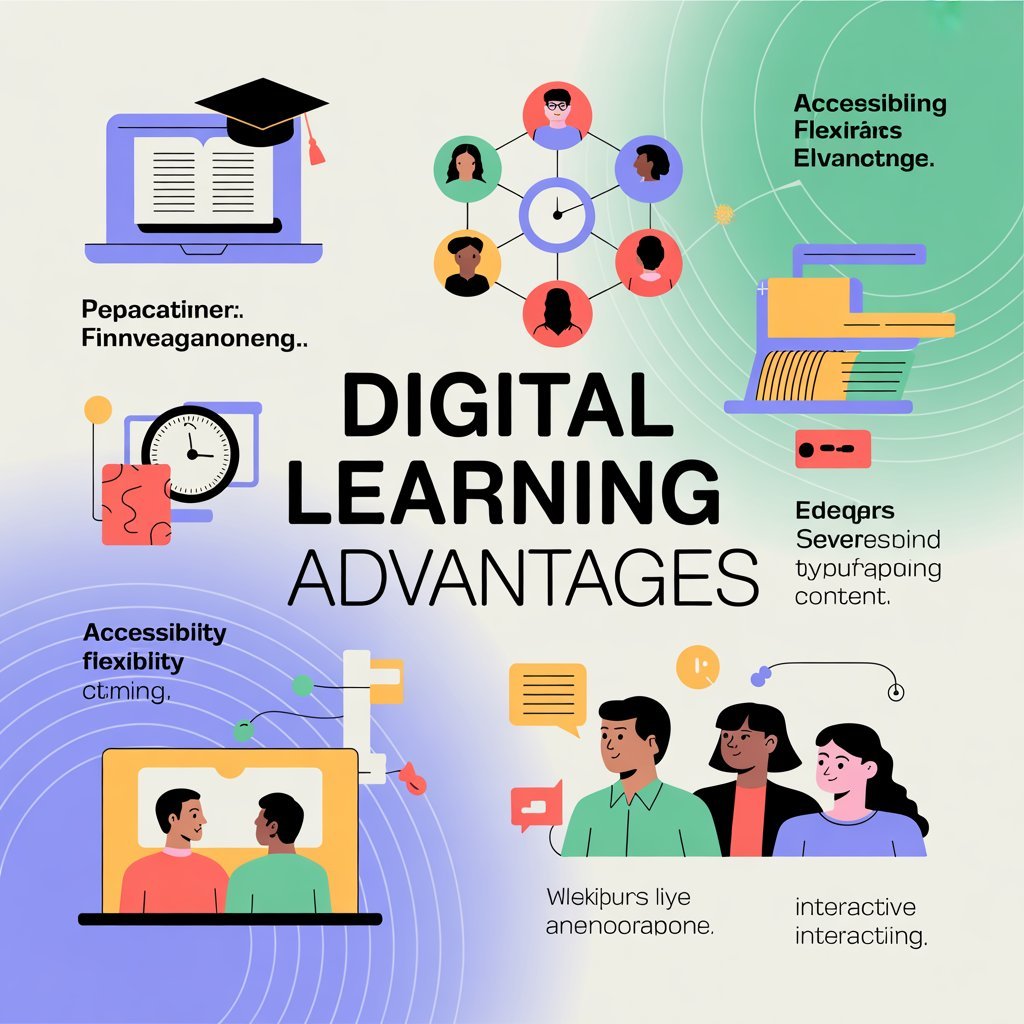
Digital learning has become a powerful part of modern education. With the support of technology, students can now access lessons, study materials, and interactive tools anytime and from anywhere. As classrooms evolve, digital learning is proving to be more effective, flexible, and accessible than traditional methods. This article highlights the major digital learning advantages and explains how this new model is reshaping the future of education.
1. Greater Flexibility and Convenience
One of the most important advantages of digital learning is flexibility. Students can choose their own study time, pace, and place. Whether they are at home, at a library, or even traveling, learning can continue without interruption. This flexibility is especially helpful for working professionals, parents, and students who want to balance education with other responsibilities.
2. Access to High-Quality Content
Digital learning provides access to a wide variety of quality resources, including video lectures, interactive modules, e-books, and recorded classes. Students can learn from top educators, universities, and global experts. This level of access was not possible in traditional classroom settings, where students were limited to local instructors and printed textbooks.
3. Personalized Learning Experience
Every learner is different. Digital platforms allow students to study at their own speed, repeat lessons, pause lectures, and use personalized study materials. Many platforms use technology such as AI to recommend courses, quizzes, and content based on the student’s learning style. This personalized approach improves understanding and boosts learning outcomes.
4. Interactive and Engaging Study Methods
Digital learning uses multimedia tools like animations, simulations, quizzes, and virtual labs. These tools make lessons more engaging and easier to understand. Interactive learning improves concentration, increases retention, and helps students stay motivated throughout the course.
5. Cost-Effective Education
Digital education reduces the cost of physical materials, travel, and classroom infrastructure. Many courses are offered at affordable prices, and some are even available for free. This cost-effectiveness makes learning accessible to a larger number of students, regardless of their financial background.
6. Easy Access to Global Learning Opportunities
Through digital platforms, students can connect with instructors and classmates from around the world. They can enroll in international programs, join global webinars, and collaborate with students from different cultures. This exposure helps broaden perspectives and improves communication skills.
7. Real-Time Feedback and Assessment
Digital learning tools offer instant quizzes, automatic grading, and direct feedback. Students can immediately review their performance and identify areas that need improvement. This real-time assessment helps learners stay on track and motivates them to achieve better results.
8. Development of Digital Skills
In today’s world, digital skills are essential. Through online platforms, students become comfortable using computers, mobile apps, virtual classrooms, and digital communication tools. These skills are highly valuable in the modern workplace and give students a competitive edge.
9. Environmentally Friendly Learning
Digital learning reduces the use of printed materials, decreases travel, and lowers energy consumption. As a result, it supports eco-friendly education and helps reduce the overall environmental impact.
10. Supports Lifelong Learning
Digital learning encourages continuous education. People can take short courses, certifications, or skill-building programs anytime. This flexibility promotes lifelong learning and allows individuals to stay updated with industry trends.
Conclusion
The advantages of digital learning make it clear that technology is transforming the education system for the better. With improved flexibility, accessibility, personalized learning, and global connectivity, digital education is shaping the future of how students and professionals learn. As technology continues to evolve, digital learning will become even more efficient, interactive, and essential.
For More Info Visit:- marketingbiznews.com
 David Martinez