

Introduction
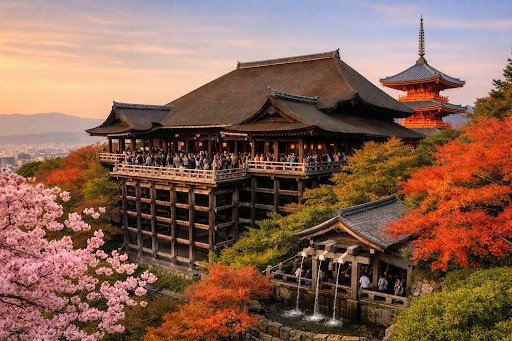
Kiyomizudera Temple is one of the most famous and visually stunning temples in Kyoto, Japan. Known for its dramatic wooden stage, panoramic city views, and deep cultural significance, this historic temple attracts millions of visitors every year. Whether you are visiting Kyoto for the first time or returning to explore its spiritual side, Kiyomizudera Temple offers a unique blend of history, architecture, and natural beauty.
Set on the slopes of Mount Otowa, Kiyomizudera Temple provides breathtaking views throughout the year, especially during cherry blossom season and autumn foliage. This guide covers everything you need to know about Kiyomizudera Temple, including its history, meaning, structure, best visiting time, and what makes it one of Japan’s most treasured landmarks.
History of Kiyomizudera Temple
Kiyomizudera Temple was founded in the year 778, making it one of the oldest temples in Kyoto. The temple predates the establishment of Kyoto as Japan’s capital. It belongs to the Hosso school of Buddhism and has played an important role in Japanese religious life for centuries.
The name “Kiyomizudera” means “Pure Water Temple,” which comes from the Otowa Waterfall that flows beneath the main hall. The temple has been rebuilt multiple times due to fires and natural disasters, but its design and spiritual importance have remained unchanged.
In 1994, Kiyomizudera Temple was recognized as a UNESCO World Heritage Site, further cementing its global cultural importance.
Architectural Highlights
One of the most remarkable features of Kiyomizudera Temple is its wooden construction. The main hall, known as the Hondo, is built entirely without the use of nails. Instead, traditional Japanese joinery techniques were used to assemble massive wooden pillars and beams.
The temple’s large wooden stage extends out from the main hall and is supported by tall pillars. This platform offers stunning views of Kyoto and the surrounding forested hills. The stage is especially famous for its seasonal beauty, changing dramatically with the colors of spring blossoms and autumn leaves.
Another architectural highlight is the three-story pagoda, which stands out with its vibrant red color and graceful structure, making it one of the largest pagodas in Japan.
Otowa Waterfall and Its Meaning
At the base of Kiyomizudera Temple lies the Otowa Waterfall, from which the temple takes its name. The waterfall is divided into three separate streams, each believed to offer a different blessing.
Visitors traditionally drink from one of the streams using a ladle. The streams represent longevity, success in studies, and good fortune in love. According to tradition, choosing only one stream is considered wise, as drinking from all three is believed to show greed.
The waterfall adds to the spiritual atmosphere of the temple and remains one of the most popular spots for visitors.
Cultural and Spiritual Significance
Kiyomizudera Temple is dedicated to Kannon, the Buddhist deity of mercy and compassion. Many visitors come to pray for health, happiness, and success. The temple has long been associated with making wishes and seeking guidance during important life decisions.
Historically, the phrase “to jump off the stage at Kiyomizu” became a popular expression in Japan, meaning to take a bold leap of faith. This phrase originated from the Edo period, when people believed that surviving a jump from the temple’s stage would result in wishes being granted.
Today, the temple symbolizes courage, hope, and spiritual renewal.
Best Time to Visit Kiyomizudera Temple
Kiyomizudera Temple is beautiful throughout the year, but certain seasons offer especially memorable experiences.
Spring is famous for cherry blossoms, which surround the temple with soft pink hues. Summer brings lush greenery and clear views of Kyoto city. Autumn is arguably the most popular season, as the maple trees turn brilliant shades of red and orange. Winter offers a quieter atmosphere, with occasional snow creating a serene and magical scene.
Early mornings and weekdays are the best times to visit to avoid large crowds, especially during peak seasons.
Walking Experience Around the Temple
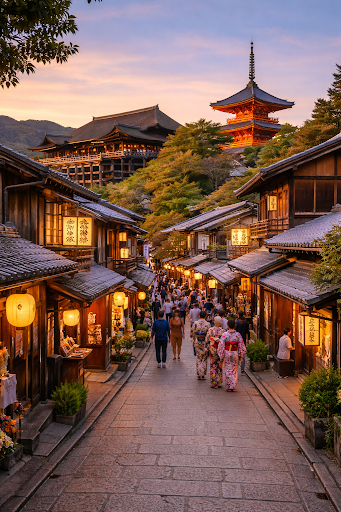
The approach to Kiyomizudera Temple is just as memorable as the temple itself. Traditional streets lined with souvenir shops, tea houses, and sweet shops lead up to the entrance. These streets reflect old Kyoto charm and allow visitors to experience local culture.
The surrounding grounds feature smaller shrines, stone paths, and scenic viewpoints that encourage slow exploration and peaceful reflection.
Why Kiyomizudera Temple Is a Must-Visit
Kiyomizudera Temple stands out not only for its beauty but also for its deep connection to Japanese history and spirituality. The combination of natural surroundings, traditional architecture, and cultural meaning makes it one of the most complete temple experiences in Japan.
For photographers, history lovers, and spiritual travelers alike, Kiyomizudera Temple offers an unforgettable journey into Kyoto’s soul.
Travel Tips for Visitors
Wear comfortable shoes, as there is a fair amount of walking and stairs. Respect temple rules and quiet zones. Visiting early in the morning provides a more peaceful experience and better photo opportunities. Seasonal visits offer different visual experiences, so plan according to your preference.
Conclusion
Kiyomizudera Temple is more than just a sightseeing destination; it is a living symbol of Japan’s spiritual and cultural heritage. From its nail-free wooden stage to the sacred Otowa Waterfall, every corner of the temple tells a story that spans over a thousand years.
If you are planning a trip to Kyoto, Kiyomizudera Temple deserves a top spot on your itinerary. Its timeless beauty, rich history, and peaceful atmosphere make it one of Japan’s most iconic and meaningful landmarks.
For More Info Visit:- marketingbiznews.com
 David Martinez