

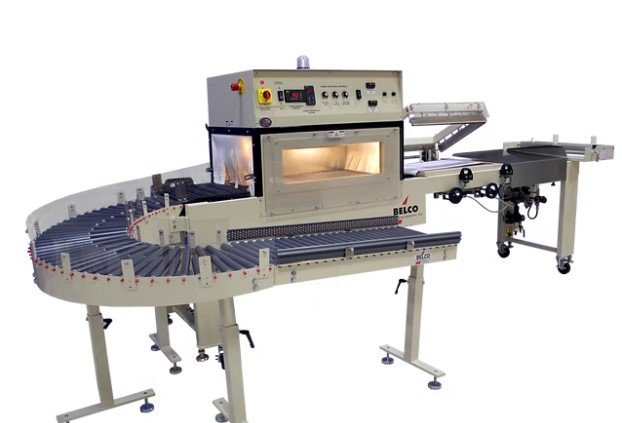
Maintaining consistent performance in heat tunnel conveyor systems requires a clear understanding of component functionality and wear patterns. In packaging environments where shrink tunnels operate continuously, identifying Belco tunnel parts correctly is critical to avoiding downtime, protecting product quality, and extending equipment lifespan. These conveyors rely on precision-engineered components that work together under high temperatures and constant motion. Knowing how to recognize essential parts, evaluate their condition, and replace them at the right time allows operators and maintenance teams to keep production lines running smoothly and efficiently.
Understanding the Core Components of a Belco Tunnel Conveyor
Tunnel Conveyor Belts
One of the most important elements of a heat tunnel system is the conveyor belt. Designed to withstand prolonged exposure to heat, these belts must maintain stability, traction, and alignment. Visual inspection for fraying, glazing, or uneven tracking helps identify early signs of wear. A damaged belt can affect product movement through the tunnel and compromise shrink quality, making regular evaluation essential.
Rollers and Support Systems
Rollers support the conveyor belt and guide it through the tunnel chamber. Worn or misaligned rollers can cause belt drift, increased friction, and excessive strain on the drive system. Listening for unusual noise, checking for wobble, and monitoring belt tracking are effective ways to assess roller condition before failure occurs.
Drive Motors and Gear Assemblies
Drive systems power the conveyor and control speed consistency. Heat, dust, and continuous operation can impact motor efficiency over time. Monitoring vibration, temperature, and response time helps identify when servicing or replacement is required. Properly functioning drive components ensure steady product flow and uniform exposure inside the tunnel.
Identifying Wear and Performance Issues
Visual and Operational Inspections
Routine inspections are the most reliable way to identify failing components. Operators should observe belt movement, listen for abnormal sounds, and check for uneven product spacing. These indicators often point to underlying component wear. Establishing inspection schedules helps maintenance teams detect issues early and reduce unplanned stoppages.
Matching Specifications and Compatibility
When sourcing replacements, it is critical to match size, material, and heat tolerance specifications. Using incompatible components can lead to reduced performance or accelerated wear. In the middle of routine maintenance evaluations, identifying genuine Belco tunnel parts ensures that replacements integrate correctly with the existing conveyor structure and maintain manufacturer performance standards.
Prioritizing Parts Based on Function
High-Wear Components
Certain components experience more stress than others. Conveyor belts, rollers, and bearings are exposed to constant motion and heat, making them high-priority items. Keeping detailed records of replacement intervals allows facilities to plan inventory and avoid emergency downtime.
Structural and Frame Elements
Although structural components wear more slowly, they still require periodic inspection. Warping, loosened fasteners, or heat fatigue can affect belt alignment and overall conveyor stability. Addressing these issues early prevents cascading mechanical problems.
Planning for Efficient Maintenance
Documentation and Part Identification
Accurate documentation simplifies part identification and ordering. Labeling components, maintaining diagrams, and recording part numbers help technicians quickly locate the correct replacements. As systems age, these records become invaluable for maintaining consistency across maintenance cycles.
Supporting Long-Term Performance
In one of the final stages of conveyor assessment, confirming the condition of Belco tunnel parts allows operators to make informed decisions about upgrades, replacements, and preventive maintenance. This proactive approach improves reliability, reduces operational risk, and supports long-term production goals.
Conclusion
Identifying essential components within a Belco tunnel conveyor requires a structured approach that combines inspection, documentation, and proper sourcing. By understanding how each part contributes to performance, facilities can prevent downtime and maintain consistent packaging quality. Having reliable access to tool box parts further supports efficient maintenance practices, enabling faster repairs and better long-term equipment management.
 Sally
Sally  David Martinez