

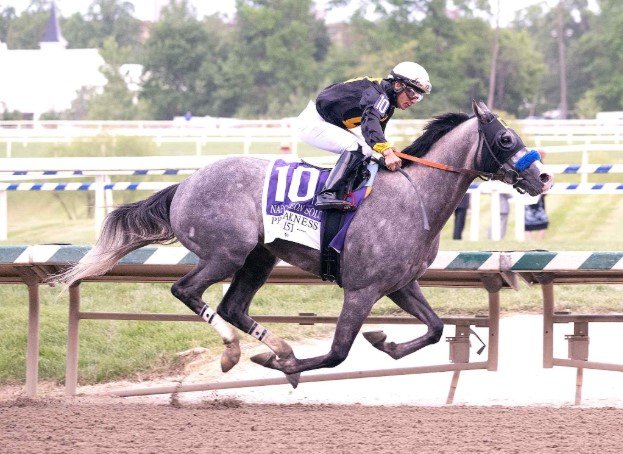
Horse racing in India is one of the oldest organised sports, shaped by colonial influence and later refined into structured national turf systems. Among the key institutions in this landscape is the Delhi Race Club, which has played a significant role in maintaining organised racing traditions in northern India. In the middle of India’s evolving equestrian culture, the race club represents a blend of heritage, regulation, and seasonal racing activity that continues to influence modern turf operations.
Historical Evolution of Delhi Race Club
The development of horse racing in Delhi dates back to the early 20th century, when organised racing tracks were introduced during British rule. The club structure was later formalised after independence, establishing a regulated system for conducting races in the capital region. Historical records indicate that the club was reorganised and registered in the mid-20th century as part of India’s expanding turf framework.
Over time, the racing institution became more structured, introducing official governance, membership systems, and regulated racing calendars. The club eventually became known for its seasonal racing operations, primarily conducted during cooler months due to extreme summer conditions in northern India.
Structure and Racing Operations
The Delhi Race Club operates through a well-defined racing ecosystem that includes stables, training tracks, paddocks, and controlled race-day infrastructure. Modern facilities support horse training, veterinary care, and race preparation to ensure competitive fairness and animal welfare.
Racing events are generally categorised into:
- Handicap races
- Maiden races
- Feature trophy events
- Seasonal competitive races
Importance of Northern India’s Racing System
The Northern race club is not just a venue but an administrative and cultural institution within Indian horse racing. It contributes to:
- Regulation of racing standards
- Maintenance of turf integrity
- Development of jockeys and trainers
- Structured race scheduling
These functions make it a central pillar of organised horse racing in northern India, especially in comparison to other regional turf authorities.
Mysore Race Club and Southern Racing Identity
To understand India’s racing diversity, it is important to compare Delhi’s racing ecosystem with southern institutions such as the Mysore circuit. The Mysore Race Club, located at the foothills of the Chamundi Hills, is widely recognised for its scenic environment and stable climatic conditions that support extended racing seasons.
Unlike Delhi’s highly seasonal structure, Mysore operates multiple racing seasons across the year, allowing more continuous engagement in racing activities. According to turf records, Mysore conducts summer, monsoon, and winter seasons, making it one of the more active racing circuits in India.
Key Differences Between Delhi and Mysore Racing Circuits
Climate and Seasonality
Delhi racing is heavily dependent on the winter months, while Mysore benefits from a more stable climate that supports multiple racing seasons annually.
Track Environment
Delhi’s racing infrastructure is urban and historically modified, whereas Mysore is known for its natural, scenic surroundings at the base of the hills.
Racing Culture
Delhi reflects a structured, regulation-heavy racing system, while Mysore represents a heritage-rich and visually appealing racing tradition.
Participation Scale
Both clubs support large racing communities, but Mysore often sees more continuous horse participation due to its extended seasonal calendar.
Training, Strategy, and Racing Dynamics
Success in horse racing depends on several interconnected factors, including training intensity, horse conditioning, and jockey strategy. Horses are trained for different distances and race types, ranging from short sprints to endurance-based competitions.
Jockeys play a crucial role in timing acceleration, maintaining positioning, and managing stamina throughout the race. Even small tactical decisions can significantly influence race outcomes, especially in closely contested handicap events.
Conclusion
The Delhi Race Club remains a key institution in India’s northern horse racing landscape, representing decades of structured racing tradition and regulatory evolution. When compared with Mysore’s scenic and seasonally diverse racing system, it becomes clear that Indian horse racing is shaped by regional climate, geography, and historical development.
Together, both racing centres highlight the richness of India’s turf culture, where the Mysore Race Club complements the structured legacy of the horse race in Delhi, creating a diverse and evolving national racing ecosystem.
 Sally
Sally