

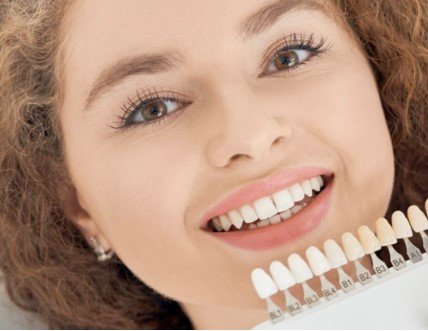
Many cosmetic dental concerns are not serious health problems, but they still affect how a person feels about smiling, speaking, and being photographed. Chips, discoloration, uneven edges, and small gaps can all make teeth look worn or unbalanced even when they are otherwise healthy. Porcelain dental veneers are often recommended in these situations because they allow the visible front surface of the teeth to be reshaped and refined in a controlled, natural-looking way. For patients considering dental veneers, understanding the treatment process helps set practical expectations from the beginning.
What Veneers Are
Porcelain dental veneers are thin shells of ceramic material custom made to bond to the front surfaces of teeth. They are designed to change the color, shape, size, or visible alignment of the treated teeth without replacing the entire tooth structure. Because porcelain reflects light similarly to enamel, the finished result can look highly natural when the restorations are designed carefully.
Dental veneers are usually used in the smile zone, where aesthetic changes are most visible. They are not a substitute for every form of restorative treatment, but for the right patient they provide a conservative cosmetic option compared with full crowns.
What Concerns Veneers Can Address
Porcelain dental veneers are commonly used to improve intrinsic staining, minor chips, worn edges, irregular tooth proportions, and small spaces between teeth. They can also make mildly uneven teeth appear more aligned when the issue is primarily visual rather than functional. In many cases, several cosmetic concerns can be addressed at once through one coordinated veneer treatment plan.
Dental veneers are best suited to teeth that are structurally healthy enough to support bonding. If a tooth has major decay, severe fracture, or bite-related issues, a different treatment may be more appropriate. A consultation helps determine whether veneers are the right fit or whether another restorative option is needed first.
Preparing the Teeth
The placement of porcelain dental veneers typically requires a small amount of enamel to be removed from the front surface of the tooth. This creates room for the veneer to fit naturally and prevents the restoration from looking bulky. After preparation, impressions or digital scans are taken so the veneers can be fabricated to match the planned design.
Temporary restorations may be used while the final dental veneers are being made. This step gives patients a sense of the expected shape and allows the provider to refine certain details before the permanent veneers are bonded.
Bonding and Final Placement
At the placement visit, each veneer is tried in to check shape, fit, and shade before bonding. The tooth surface is treated so the adhesive can bond securely, and the veneer is then cemented into place. This bonding step is critical because it allows the thin porcelain shell to function as part of the visible tooth surface once completed.
The final appearance of porcelain dental veneers depends not only on the ceramic itself but also on the preparation design, the bonding protocol, and the overall smile plan. That is why the artistic and technical parts of the process are closely connected in veneer treatment.
Caring for Veneers
Although porcelain is durable and stain resistant, dental veneers still require good daily care. Brushing, flossing, and regular professional visits remain essential because the natural tooth structure around the veneer margins and the gum tissue must stay healthy. Habits such as nail biting or chewing hard objects can place unnecessary stress on the restorations.
Patients who clench or grind may also be advised to use a protective night guard. With appropriate care, porcelain dental veneers can remain attractive and functional for many years before replacement becomes necessary.
Conclusion
Porcelain dental veneers are a precise cosmetic treatment used to improve the visible front surfaces of teeth in a natural-looking and durable way. For patients dealing with staining, chips, minor spacing, or shape concerns, dental veneers offer a focused solution that can significantly enhance smile appearance while preserving much of the underlying tooth structure.
 David Martinez