

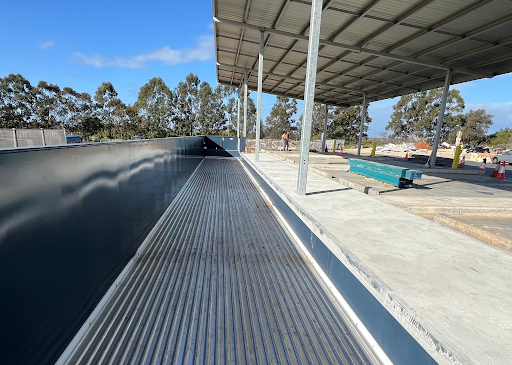
As industries, businesses, and municipalities generate increasing amounts of waste, efficient waste processing has become essential for protecting the environment and conserving valuable resources. Modern waste management is no longer limited to simple collection and disposal. Instead, it focuses on sorting, recovering, processing, and recycling materials through advanced technologies that improve operational efficiency and support a circular economy. At the center of this transformation is waste management equipment, which enables organizations to handle waste safely, efficiently, and sustainably.
From automated sorting systems to industrial shredders and balers, today’s waste processing technologies help reduce landfill dependence while maximizing the recovery of recyclable materials. Investing in the right equipment allows facilities to improve productivity, lower operating costs, and meet increasingly stringent environmental standards.
Why Modern Waste Management Equipment Is Essential
The volume and complexity of waste generated by residential, commercial, and industrial sectors continue to grow. Traditional manual waste handling methods are often inefficient, labour-intensive, and prone to contamination.
Modern equipment addresses these challenges by improving every stage of the waste management process, including:
- Faster waste processing
- Improved material recovery rates
- Reduced operational costs
- Enhanced worker safety
- Lower environmental impact
- Greater compliance with waste management regulations
Advanced technologies also allow facilities to process multiple waste streams simultaneously while maintaining high levels of efficiency.
Types of Waste Management Equipment
Different waste streams require specialized machinery designed to process materials efficiently.
Industrial Shredders
Industrial shredders reduce bulky waste materials into smaller, manageable pieces. They are widely used for processing plastics, timber, textiles, packaging materials, and construction waste.
By reducing material size, shredders improve downstream sorting and recycling efficiency.
Screening Equipment
Screening systems separate waste according to size, ensuring different materials follow appropriate processing paths. Common screening technologies include trommel screens, disc screens, and vibrating screens.
These systems increase recovery rates by preparing waste for more accurate separation.
Magnetic and Eddy Current Separators
Metal recovery is a critical part of waste processing. Magnetic separators extract ferrous metals such as steel, while eddy current separators recover non-ferrous metals including aluminium and copper.
Recovered metals can then be recycled into new products, reducing the need for raw material extraction.
Optical Sorting Systems
Optical sorting technologies use cameras, sensors, and artificial intelligence to identify different materials on conveyor belts.
These systems can distinguish plastics, paper, cardboard, glass, and other recyclables with remarkable accuracy, reducing contamination while increasing processing speed.
Balers and Compactors
Balers compress recyclable materials into dense, transportable bundles. Compaction reduces storage requirements and lowers transportation costs by maximizing vehicle capacity.
Compressed materials are also easier to handle throughout the recycling supply chain.
Benefits of Advanced Waste Processing Equipment
Modern waste processing technology delivers significant advantages across multiple industries.
Increased Recycling Efficiency
Automated sorting systems recover valuable materials that might otherwise be sent to landfill. Higher recovery rates contribute directly to resource conservation and environmental protection.
Reduced Labour Requirements
Automation minimizes manual sorting while improving workplace safety. Employees can focus on monitoring systems and quality control rather than repetitive physical tasks.
Lower Operating Costs
Although advanced equipment requires initial investment, long-term savings often result from reduced labour expenses, lower disposal costs, and increased recovery of valuable recyclable materials.
Improved Environmental Performance
Efficient waste processing reduces greenhouse gas emissions associated with landfill disposal while supporting sustainable resource management practices.
Industries That Benefit from Waste Management Equipment
Numerous industries rely on specialized equipment to manage diverse waste streams.
Manufacturing
Manufacturers process packaging waste, production scrap, plastics, metals, and paper through integrated recycling systems.
Construction and Demolition
Construction projects generate concrete, timber, steel, bricks, and other recoverable materials. Proper equipment improves material recovery while reducing landfill disposal.
Municipal Waste Facilities
Municipal recycling centres use automated systems to process household waste more efficiently, increasing recycling rates and reducing contamination.
Commercial Businesses
Retail centres, warehouses, and distribution facilities use compactors and balers to reduce waste volume while lowering collection costs.
The Role of Technology in Waste Management
Emerging technologies continue to reshape waste processing across Australia and globally.
Artificial intelligence now enables smarter material recognition and automated sorting decisions. Robotics improve precision while reducing workplace risks, and data-driven monitoring systems optimize equipment performance in real time.
These innovations allow waste processing facilities to recover higher-quality recyclable materials while improving operational reliability and reducing maintenance requirements.
Best Practices for Efficient Waste Processing
Organizations can maximize equipment performance by following several key practices:
- Conduct regular equipment maintenance.
- Separate waste at the source whenever possible.
- Train staff on proper waste handling procedures.
- Monitor contamination levels consistently.
- Upgrade aging systems to improve efficiency.
- Track recycling performance through operational data.
These measures help improve productivity while supporting sustainability goals.
Future Trends in Waste Management Equipment
The waste management solutions continue to evolve through automation, digital monitoring, and smarter resource recovery technologies. Future systems are expected to incorporate advanced artificial intelligence, machine learning, predictive maintenance, and robotics to improve sorting accuracy and operational efficiency.
Growing emphasis on circular economy principles is also encouraging greater investment in equipment capable of recovering higher-value materials from increasingly complex waste streams. As environmental regulations strengthen, businesses that adopt modern processing technologies will be better positioned to improve sustainability while reducing long-term operational costs.
Conclusion
Efficient waste processing is essential for reducing landfill dependence, conserving natural resources, and supporting long-term environmental sustainability. As technology continues to advance, modern recycling solutions will become even more effective in helping industries and communities transition toward a cleaner, more resource-efficient future. Investing in reliable waste management solutions allows organizations to improve recycling performance, enhance operational efficiency, and recover valuable materials that would otherwise be lost.