

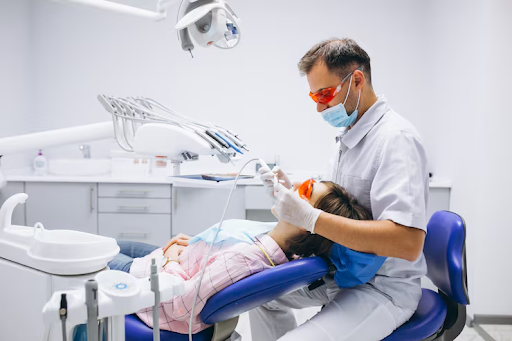
Starting with a new dental practice — whether you are new to Colorado Springs or simply switching providers — involves some uncertainty that is easy to resolve with the right information. Understanding what a comprehensive new patient examination typically involves, how to prepare, and what questions to ask makes the experience less stressful and more productive from the very first visit.
Why the First Visit Is Different
A first visit to a new dentist in colorado springs is more thorough than a routine follow-up appointment for an established patient. The dental team needs to build a complete picture of your oral health history, current condition, and any concerns you have before they can develop an appropriate care plan. Expect the first visit to take longer than subsequent appointments — typically 60 to 90 minutes for a comprehensive new patient exam.
What the Comprehensive Exam Involves
Medical and dental history review — You will complete health history forms that ask about medications, medical conditions, allergies, and past dental treatments. This information is directly relevant to dental care — certain medications affect saliva production and increase cavity risk; some medical conditions affect gum health; and knowledge of past dental anxiety helps the team adapt their communication style.
Full-mouth X-rays — New patients typically receive a full set of digital X-rays, including periapical images of individual teeth and bitewing X-rays that reveal decay between teeth. Panoramic X-rays — a single image showing all teeth, the jaw, and surrounding structures — may also be taken. This imaging establishes a baseline record and reveals conditions not visible during a clinical exam.
Periodontal assessment — The dental hygienist measures the depth of the pocket between each tooth and the surrounding gum tissue using a probe. Pocket depths above 3mm indicate some degree of gum disease and guide recommendations for the frequency and intensity of cleaning needed.
Clinical examination — The dentist examines each tooth for signs of decay, existing restoration integrity, cracking, and wear. The gum tissue, tongue, cheeks, and throat are also examined for signs of oral cancer, an important screening that should occur at every comprehensive exam.
Treatment discussion — After the examination, the dentist reviews their findings with you and discusses any recommended treatment. A good provider explains what they found, why it matters, and what the options are — giving you the information needed to make an informed decision.
How to Prepare for Your First Visit
Bring your insurance card and a photo ID, along with a list of current medications and any relevant medical records if you have been treated for conditions that may affect your oral health. If you have had recent X-rays taken at a previous dental office, request that they be transferred to your new provider — this avoids unnecessary repeat imaging and gives the new dentist useful historical information.
Arrive a few minutes early to complete new patient paperwork if you have not done so online in advance. Most practices offer digital pre-registration that allows you to complete forms at home, which saves time on the day of your appointment.
Asking the Right Questions
Your first visit is an excellent opportunity to establish the kind of open, communicative relationship with your dental provider that serves you well over the long term. Some questions worth asking:
- What is my current gum health status, and how often should I be seen for maintenance cleanings?
- Are there any teeth that need to be monitored but do not yet require treatment?
- What can I do between visits to protect my oral health given my specific risk factors?
- What is your approach if I experience a dental emergency outside of office hours?
A dentist who answers these questions directly and welcomes the conversation is demonstrating the kind of patient-centered communication style that makes dental care a more positive experience over time.
Conclusion
Your first visit to a dentist in Colorado Springs sets the foundation for a healthcare relationship that can serve your oral health for many years. Going in prepared, knowing what to expect, and approaching the appointment as the beginning of an ongoing conversation with your care team makes the experience both more comfortable and more productive. Good dental care is built on trust — and that trust starts on day one.