

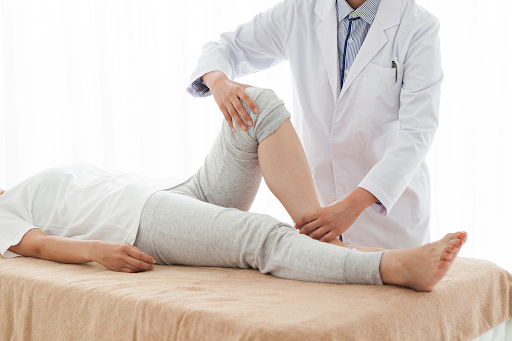
Two patients can walk into a clinic with what looks like the same knee pain and walk out with completely different plans. One may be advised to start a strengthening program, while the other may be guided toward surgery. That isn’t inconsistency. It reflects the fact that good orthopaedic care depends on many details beyond the diagnosis itself.
A thoughtful orthopedic surgeon weighs a series of clinical factors before recommending any treatment, and understanding them can help you take part in your own care with more confidence. Here are ten of the most important factors behind better decisions in orthopaedic treatment.
1. An Accurate Diagnosis
Everything starts here. Pain around the knee, for instance, can come from the cartilage, meniscus, ligaments, kneecap, tendons or even the hip or spine. Treating the wrong problem wastes time and may cause harm. A careful history, a hands-on examination and appropriate imaging build the foundation for every later decision.
2. The Stage and Severity of the Condition
A mild, early problem is treated very differently from an advanced one. Early arthritis may respond to exercise, weight control and injections, while end-stage joint damage with severe deformity may need replacement. A small partial tendon tear may be managed conservatively, but a large, retracted tear may call for repair. Knowing exactly where a condition sits on that spectrum guides the intensity of treatment.
3. Age and Biological Condition
Age matters, but not in a simple way. A fit 70-year-old may recover better than a less active 50-year-old. Surgeons consider bone quality, tissue healing capacity and general health rather than relying on the number alone. Younger patients may need options that preserve the joint for as long as possible, while older patients may prioritise function and pain relief.
4. Activity Level and Daily Demands
A recreational walker, a competitive athlete, and a person who works on their feet all day place different demands on the same joint. An orthopedic surgeon considers these activity levels when evaluating treatment options, because care should match what you need your body to do. A procedure that suits a sedentary patient may not meet the needs of someone returning to football or heavy manual work.
5. Imaging Matched to Symptoms
Scans are powerful tools, but they must be read alongside the clinical picture. Many people have changes on MRI, such as small degenerative tears, that cause no symptoms at all. A surgeon looks for agreement between what the scan shows, what the examination reveals and what the patient feels. When these line up, the plan becomes clearer.
6. Alignment and Joint Mechanics
How a limb is aligned affects how load travels through a joint. Bowed legs, a flat foot or a rotated hip can overload one part of a joint and speed wear. In some cases, correcting alignment, such as with an osteotomy for early knee arthritis, may protect the joint better than treating symptoms alone. Alignment also influences how long a joint replacement lasts.
7. Other Health Conditions
Diabetes, obesity, smoking, osteoporosis, heart or lung disease and circulation problems can all influence healing and surgical risk. Blood sugar control, nutrition and bone health are often optimised before an operation. Addressing these factors can reduce complications and improve results, which is why a thorough health review matters.
8. Response to Earlier Treatment
What has already been tried tells the surgeon a great deal. If physiotherapy, medication and activity changes have been followed properly without benefit, further conservative treatment may be unlikely to help. If the patient hasn’t yet had a proper trial of non-surgical care, that may be the sensible next step.
9. Patient Goals and Expectations
The best plan is one you understand and agree with. Do you want to return to running, play with grandchildren, climb stairs without pain or get back to work quickly? Clear goals help the surgeon recommend realistic options. They also help set expectations about recovery time, the likelihood of full return to previous activity and possible limitations.
10. Rehabilitation Capacity and Support
Treatment doesn’t end in the operating theatre or at the end of the consultation. Rehabilitation often determines the final result. Factors such as access to physiotherapy, time off work, home support and your ability to follow a program all matter. A plan that looks perfect on paper but can’t be carried out in real life won’t deliver its full benefit.
How These Factors Work Together
No single factor decides the outcome. A surgeon weighs them together, in the same way a pilot reads many instruments at once. A young athlete with a complete ligament tear and an unstable knee may need reconstruction, while an older patient with the same tear but low demands may do well with rehabilitation alone.
The clinical picture, not a standard formula, shapes the recommendation. This is also why second opinions can be useful in complex cases. Different clinicians may emphasise different factors, and hearing another perspective can add clarity.
Making the Most of Your Appointment
To help your surgeon weigh these factors accurately, bring:
- Previous scans, reports and treatment records.
- A list of current medicines and medical conditions.
- Notes on when symptoms began and what worsens them.
- A clear idea of your goals and daily demands.
- Questions about alternatives, risks and recovery.
Conclusion
Better orthopaedic decisions come from combining many pieces: an accurate diagnosis, the stage of disease, your age and health, activity demands, matched imaging, alignment, earlier treatment, personal goals and rehabilitation support. When these are considered together, treatment becomes tailored rather than generic. If you’re searching for the best orthopaedician in Bangalore, look for someone who explains these factors clearly, listens to your goals and lays out both surgical and non-surgical options so that you can choose with confidence.
Bone & Joint Consult is a Bangalore orthopedic practice that tailors treatment to clinical factors such as diagnosis, activity level and goals. Led by Dr Rewat Laxman, they combine joint replacement and arthroscopy experience to recommend clear, personalized treatment plans.