

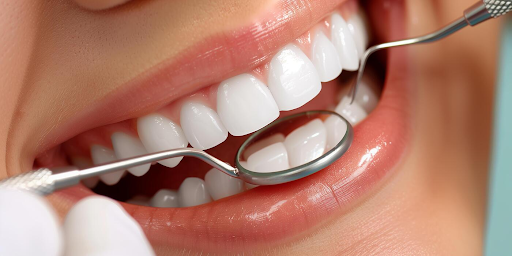
Oral health needs change as people grow, from the first baby teeth to the permanent teeth of adulthood and the changes that come with aging. Developing the right habits early can help protect teeth, support healthy gums, and reduce the risk of preventable dental problems. Understanding these changing needs makes dental care more purposeful at every stage of life.
A family dentist can help individuals and families understand their oral health needs and make informed decisions about preventive care. With regular dental visits and consistent home-care habits, people can build a routine that supports healthy smiles through childhood, adolescence, adulthood, and later life.
Understanding How Dental Needs Change With Age
Dental care is not a one-size-fits-all process. Children need support as their teeth develop, teenagers may require guidance with changing oral-care habits, and adults must balance prevention with the demands of everyday life. Older adults may also experience changes in gum health, tooth strength, and saliva production that influence their dental needs.
Recognizing these differences helps people choose appropriate care instead of waiting until discomfort develops. Regular dental appointments can help identify concerns early, provide guidance on daily hygiene, and support treatment planning according to individual needs. A consistent approach allows oral care to evolve naturally throughout life.
Building a Strong Foundation During Childhood
Childhood is an important time to establish habits that can continue into adulthood. Baby teeth help children chew, speak, and maintain space for permanent teeth. Although these teeth eventually fall out, keeping them healthy remains important. Parents can encourage brushing, supervise cleaning, and introduce balanced eating habits to support developing smiles.
Dental visits can also help children become familiar with professional care. Positive experiences, age-appropriate explanations, and guidance on brushing techniques may make oral hygiene easier to understand. Parents should pay attention to tooth sensitivity, visible changes, or persistent discomfort and seek professional advice when needed.
-
Establishing Healthy Brushing Habits
Children benefit from learning consistent brushing habits early. Parents can help them use an age-appropriate toothbrush and fluoride toothpaste in the recommended amount. Brushing should cover all tooth surfaces, including areas near the gumline. As children develop better coordination, they can gradually take greater responsibility for their routines while adults continue supervising when necessary.
-
Supporting Healthy Tooth Development
As children grow, baby teeth gradually give way to permanent teeth. During this transition, parents should encourage regular cleaning and observe changes in tooth alignment or spacing. Dental professionals can assess development and explain whether further monitoring is appropriate. Addressing concerns early can help families understand available options without assuming that every child requires treatment.
-
Navigating Oral Health During Adolescence
Teenagers often experience changes in their routines, eating patterns, and independence. Busy schedules and sugary snacks can make consistent oral hygiene more challenging. Encouraging regular brushing, cleaning between teeth, and routine dental visits helps maintain good habits. Teenagers who wear orthodontic appliances may also need additional cleaning guidance to remove food particles from difficult-to-reach areas.
-
Protecting Teeth During Adulthood
Adults may have established routines, but work commitments and daily responsibilities can cause oral care to become inconsistent. Regular brushing, interdental cleaning, and professional appointments remain essential. Adults should also pay attention to gum bleeding, sensitivity, persistent bad breath, or changes in their teeth. Seeking advice about these concerns can help determine the appropriate next steps.
-
Adapting Care as People Age
Oral health needs may change later in life because of gum recession, tooth wear, missing teeth, or reduced saliva. Some medications can also contribute to dry mouth, which may increase the risk of dental problems. Older adults can discuss these changes with a dental professional and explore suitable cleaning methods, restorative options, and strategies for maintaining comfort and function.
Everyday Choices That Influence Long-Term Oral Health
Daily decisions can have a lasting effect on teeth and gums. Brushing consistently, cleaning between teeth, drinking water, and limiting frequent exposure to sugary foods and drinks can support oral hygiene across age groups. Tobacco use can also affect oral health, making avoidance an important preventive measure.
Appearance-related concerns may become more noticeable as people grow older. Tooth discoloration, uneven edges, gaps, or changes in alignment can influence how someone feels about their smile. A smile makeover may involve considering suitable cosmetic treatments based on individual needs, oral health, and desired outcomes. However, cosmetic improvements should complement, rather than replace, the care needed to maintain healthy teeth and gums.
- Brush twice daily with fluoride toothpaste.
- Clean between teeth using suitable interdental aids.
- Choose balanced meals and limit frequent sugary snacks.
- Wear appropriate protective equipment during contact sports.
- Attend dental appointments according to professional advice.
Maintaining these habits consistently can help people take an active role in their oral health. Families can also encourage one another by making daily cleaning a shared priority and setting a positive example for younger members.
Recognizing When Dental Advice Is Needed
Dental discomfort should not be ignored simply because it seems temporary. Persistent toothache, swollen gums, unusual sensitivity, damaged teeth, or bleeding during brushing may indicate a concern that needs professional assessment. Early advice can help clarify the cause and identify appropriate care before the problem becomes more difficult to manage.
The right treatment depends on a person’s symptoms, dental history, and overall oral condition. Some concerns may be addressed through changes in home care, while others may require professional cleaning, restorative treatment, or further evaluation. Regular appointments are useful even when no obvious symptoms are present because some dental problems develop without immediate discomfort.
Making Lifelong Dental Care a Sustainable Habit
A sustainable oral-care routine should fit naturally into everyday life. Families can make brushing part of their morning and bedtime schedules, keep suitable cleaning supplies accessible, and plan dental appointments in advance. These practical steps can make preventive care easier to maintain despite changing responsibilities and routines.
It is equally important to understand that dental needs differ between individuals. Age provides useful context, but it does not determine every treatment decision. Personal habits, existing dental conditions, medical considerations, and professional recommendations all influence the care someone may need. Staying informed and seeking guidance when concerns arise can help people make confident decisions throughout life.
Conclusion
Lifelong dental care begins with childhood habits and continues through every stage of adulthood. Consistent home hygiene, preventive appointments, healthy daily choices, and timely professional advice can help protect teeth and gums as needs change over time. Paying attention to oral health at every age also helps people make informed choices about comfort, function, and appearance.
For those seeking personalized, technology-focused dental care, The Silverline Dentistry offers a range of services designed to address preventive, restorative, and aesthetic needs. Its approach emphasizes precision, patient comfort, and individualized treatment planning. Patients exploring options such as Invisalign aligners can discuss their dental goals with the clinic’s team and understand which treatments may suit their needs. By combining modern dental techniques with personalized care, The Silverline Dentistry supports patients in working toward healthier, more confident smiles throughout life.