

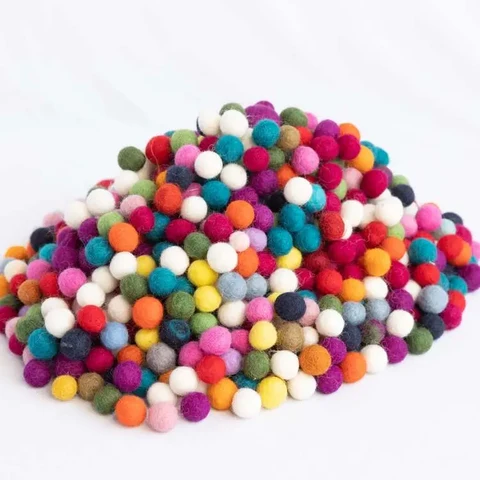
A handful of loose wool fibres can become a colourful pom pom, a practical household accessory, or a small handmade animal with its own personality. Wool crafting offers endless opportunities to turn simple materials into useful and decorative creations. Learning how to make felt pom poms is one way beginners can explore this craft, while experienced makers can experiment with different shapes, textures, and finished products. Understanding the properties of wool, the techniques used to shape it, and the needs of different customers can help make every handmade creation more purposeful.
1. Getting Familiar With Wool Fibres
Wool is a natural fibre valued for its softness, flexibility, and ability to hold its shape when processed correctly. Its surface contains tiny scales that help individual fibres interlock during felting. This characteristic makes wool suitable for creating compact shapes, textured decorations, and functional household items.
Different types of wool produce different results. Some fibres are softer and finer, while others are coarser and may create a firmer texture. The choice depends on the intended product. A decorative pom pom may benefit from fluffy fibres, whereas a dense felted object requires material that can form a stable structure.
Before starting a project, makers should understand the material’s texture, quality, and suitability for the chosen technique.
2. Understanding The Pom Pom Making Process
Pom poms are among the easiest wool-based decorations to recognize, but achieving a neat and balanced finish requires some care. The process generally involves wrapping wool yarn around a suitable circular tool or pom pom maker, securing the centre tightly, and cutting the loops to create a rounded shape.
The maker then trims uneven strands until the pom pom looks full and symmetrical. Different wrapping thicknesses produce different levels of density, while changing yarn colours can create striped, multicoloured, or layered patterns.
For beginners, starting with a small project makes it easier to understand how tightly the fibres should be wrapped and secured. Consistent trimming also helps create a professional appearance, particularly when making several pieces for craft collections or retail displays.
3. Choosing Between Yarn And Wet Felting
Pom pom making and wet felting may involve similar materials, but they use different techniques. Yarn-based pom poms are created by wrapping and cutting loops, while wet felting relies on moisture, friction, and pressure to bind loose wool fibres together.
During wet felting, wool is arranged into layers and worked with warm water and suitable soap. Gentle rubbing encourages the fibres to interlock, gradually forming a denser structure. The material can then be shaped into balls, sheets, or other forms depending on the project.
Needle felting offers another method. A specialised barbed needle repeatedly passes through the fibres, helping them bind together without the need for water. This technique is useful for creating detailed shapes, facial features, and small decorative objects.
4. Giving Everyday Laundry A Natural Alternative
Wool also has applications beyond decoration and creative projects. Wool dryer balls are commonly used in tumble dryers as reusable alternatives to disposable dryer sheets. They move between garments during the drying cycle, helping separate laundry items and improve air circulation within the load.
This movement may help reduce drying time under certain conditions, although results depend on the dryer, load size, fabric type, and operating settings. Wool balls can also help reduce the tendency of clothes to bunch together during drying.
Their construction is relatively simple, but density and durability matter. Properly felted balls are compact and less likely to shed loose fibres during normal use. Buyers should check product instructions and inspect them periodically for signs of wear.
5. Designing Products With Retail Buyers In Mind
Handmade wool products appeal to customers who appreciate texture, craftsmanship, and distinctive designs. However, gift shops need collections that are practical to display, easy to understand, and suitable for different customer interests.
Product selection should consider size, colour variety, durability, packaging, and price positioning. Small decorative items may work well near checkout counters, while larger handmade creations can become part of seasonal or themed displays.
A well-organised collection makes it easier for shoppers to find suitable gifts for different occasions without feeling overwhelmed by too many similar choices.
6. Turning Wool Into Small Animal Characters
One interesting application of felting is the creation of miniature animals. Makers can shape wool into birds, rabbits, cats, elephants, and other familiar figures using wet or needle-felting techniques.
These creations require attention to proportion and detail. The body is usually shaped first, followed by smaller features such as ears, tails, legs, and facial details. Different wool colours can help define markings, while carefully placed fibres create texture and character.
For retail collections, handcrafted felt animal toys for gift shops can offer a distinctive alternative to conventional decorative gifts. Their appeal often comes from individual designs, expressive details, and the visible craftsmanship involved in making each piece.
7. Improving Shape And Finish Through Practice
The quality of a felted product depends on more than the initial design. Makers need to pay attention to fibre distribution, pressure, shaping, and finishing throughout the process.
Uneven fibre placement can create thin areas, while insufficient felting may leave the structure loose. Excessive pressure or unsuitable handling can also affect the final shape. Working gradually allows artisans to identify problems before they become difficult to correct.
For detailed animal figures, facial features should be positioned carefully to maintain balanced proportions. For rounded objects, regular turning and shaping can help achieve a consistent finish. Practicing with simple forms before attempting complex designs can improve control and reduce material waste.
Conclusion
Wool products demonstrate how natural fibres can be transformed into objects with practical uses and individual character. From decorative creations to laundry accessories and miniature animal figures, each category requires its own techniques, quality checks, and care considerations. Understanding how to make felt pom poms also gives beginners an opportunity to explore the creative potential of wool fibres.
For shoppers and retailers interested in exploring handcrafted wool creations, Best Himalaya offers an opportunity to discover products that reflect the appeal of traditional materials and artisan-made designs. With careful selection and an appreciation for the work behind each piece, handmade wool products can become thoughtful additions to homes, creative collections, and gift displays.