

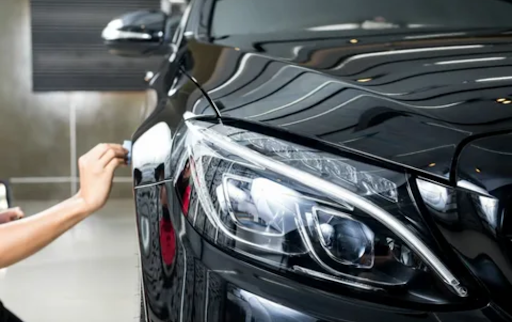
One thing is to clean a car; another is to keep the paintwork looking fresh after years of driving. Dust, road grime, bird droppings, water spots, and prolonged exposure to the sun can slowly take a toll on a vehicle’s finish. Regular washing helps, but it doesn’t always deliver the level of surface protection that car owners want. This has led to more drivers seeking high-end paint protection products like graphene-based coatings.
Graphene coating for cars is getting some attention in the automotive detailing industry because it is marketed as a way to improve surface protection, water behavior, and ease of maintenance. But knowing what the coating can realistically do is just as important as knowing its advertized benefits.
What Is Graphene Coating for Cars?
Graphene is an allotrope of carbon, with its atoms arranged in a thin, honeycomb-like structure. It is known for its strength and its unique physical properties. Graphene coatings in automotive detailing are generally liquid products that make claims of having graphene or graphene-related materials as one of their coating ingredients.
When applied and cured, the product produces a thin film over the paintwork of the vehicle. Depending on its formulation, it can improve gloss, cause water to bead on the surface, and make certain contaminants easier to remove.
The term “graphene coating” does not mean that every product has the same ingredients or performs equally well. Buyers should read the manufacturer’s specifications, instructions for application, and claims about product durability before making a selection.
Key Benefits of Graphene Coating
1. Enhanced Water Resistance
One of the most attractive features of graphene coatings is their extreme water repellence. “If a coating is doing what it’s supposed to do, water can bead up and slide better on the surface. This can reduce the time spent in routine cleaning, removing water and dirt.
But water beading isn’t the only sign of improved protection. Performance is dependent on formulation, surface preparation, quality of application, and maintenance routine.
2. Increased Shine and Appearance
A good coat of paint can make a vehicle’s paint richer and more reflective. To maintain a freshly detailed appearance, it might help to create a smooth surface over the paintwork.
The condition of the original paint also impacts the final result. Existing swirl marks, oxidation, or scratches may still be visible unless removed prior to the application of the coating. For this reason, professional detailers will often inspect the paint and recommend correction if needed.
3. Maintenance & Easy Cleaning
If you don’t treat it, the paint can attract road dust, oily residue, and everyday grime, which can increase the time it takes to wash. A suitable coating can make some contaminants easier to remove and reduce the requirements for regular maintenance.
It does not make a car self-cleaning. The car still needs a proper wash, and abrasive cleaning techniques should be avoided to retain the finish.
4. Resistance to some environmental pollutants
Some graphene coating products are designed to resist staining and to help protect from exposure to common contaminants. Depending on the formulation, the coating may provide some resistance to chemical attack within defined limits.
Bird droppings, tree sap and insect residue should be cleaned off promptly, however. The coating is not a bullet-proof layer, and prolonged contact with contaminants can damage the finish.
How Durable Is Graphene Coating?
Durability of graphene coatings is a hot topic. Some products claim to provide protection for several years, but the actual lifespan is determined by coating chemistry, preparation, installation, driving conditions, and aftercare.
A car that is parked outside and driven in heavy traffic may perform differently than a car that is parked in a covered parking lot and washed carefully. – Poor maintenance or the wrong choice of detergent can also affect performance.
Make sure that the coating you purchase has clear product data and warranty language to back up its life. A realistic maintenance plan beats a claim of durability.
Just remember, graphene coating is not scratch-proof. It may help prevent some surface contamination and wear but will not prevent stone chips, deep scratches, or impact damage.
Graphene Coating vs Borophene Coating
Borophene coating could be a new technology for car paint protection. Borophene is a scientifically interesting 2D form of boron. Standard automotive detailing products sold under this name vary in composition and evidence.
“A coating is not better just because it has a graphene or borophene label.” Don’t take promotional claims at face value. Research performance and ingredient data, application requirements, warranty terms, and independent testing.
If you’re worried about stone chips and physical abrasion, you might want to look into paint protection film, which offers a thicker physical barrier than a liquid coating.
Graphene Coating: Is It Worth It?
Try graphene coating for better water behavior, gloss, and easier cleaning. Value depends on the product and if it meets expectations of the owner.
Choose a qualified installer who will prep the paint and follow the manufacturers cure instructions. Talk about maintenance, warranty, and local driving performance.
It’s all about making the right choices for good paint protection. Graphene can improve the appearance of a car and m