

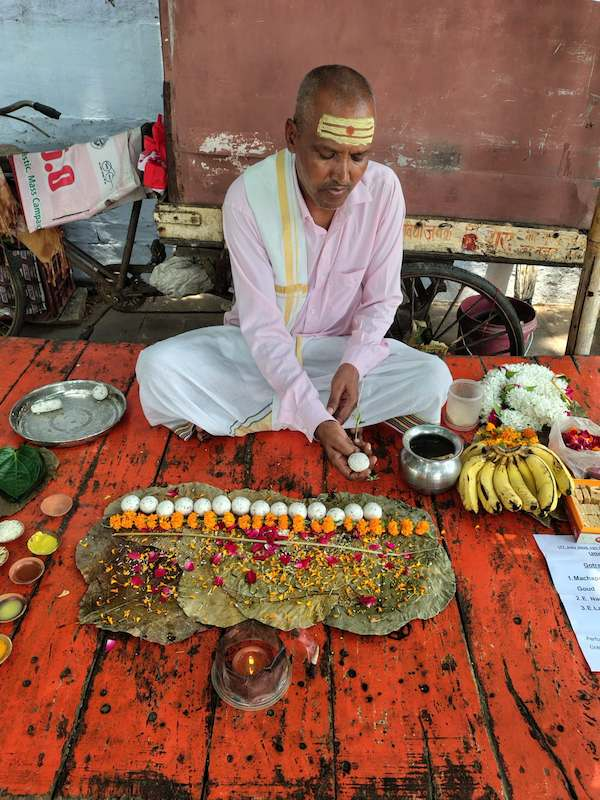
The loss of a loved one is an experience that can leave families searching for meaningful ways to honour their memory. Within Hindu traditions, rituals performed after death can provide a structured way for families to express remembrance, fulfil customary responsibilities and seek spiritual peace. While practices may differ between communities and families, these observances often carry a deep connection to faith, duty and the belief in a continuing spiritual journey.
For families preparing to perform these rites, the practical arrangements can sometimes feel difficult to manage alongside grief. Travelling to a sacred city, understanding unfamiliar procedures and coordinating with religious practitioners can create additional responsibilities during an already emotional period. A Varanasi asthi visarjan package can provide a more structured way to arrange the relevant rituals and practical details, allowing families to focus more fully on the significance of the occasion.
Understanding the Meaning of Asthi Visarjan
Asthi visarjan is a post-cremation ritual in which the ashes of a deceased person are immersed in a sacred body of water. It is an important observance within many Hindu traditions and is traditionally performed as part of the rites associated with the departed. The precise procedure, prayers and customs may differ according to regional practices, family traditions and the guidance of the priest conducting the ceremony.
For many families, the ritual represents more than a religious obligation. It can provide a meaningful opportunity to say farewell, remember the person who has passed away and participate in a ceremony that has been followed across generations. The act is approached with reverence, allowing relatives to come together during a deeply personal moment.
Why Varanasi Is Associated With These Rituals
Varanasi occupies a distinctive place in Hindu religious and cultural traditions. Located along the Ganga, the city has been a major pilgrimage destination for centuries and is closely associated with numerous religious ceremonies. Its ghats and temples form part of a landscape that has long been connected with spiritual practices and rites concerning life, death and remembrance.
For families travelling from other parts of India, performing these ceremonies in Varanasi can carry particular religious significance. The decision is often influenced by family beliefs, inherited traditions and the spiritual importance attached to the Ganga. Understanding the setting and its religious significance can help relatives approach the ceremony with greater awareness and respect.
Preparing Before the Journey
Good preparation can make a significant difference when a family is travelling for a religious ceremony. There may be several practical matters to consider, including transportation, accommodation, the timing of rituals, required materials and coordination with the priest. Taking care of these details in advance can reduce uncertainty once the family reaches its destination.
It is equally important to understand that religious practices are not necessarily identical for every family. Customs can vary according to region, community and family tradition, so relatives may wish to discuss their expectations before making arrangements. Speaking with an experienced practitioner can help clarify which observances are relevant to the family’s particular circumstances.
The Importance of Appropriate Religious Guidance
A priest can help families understand the sequence and significance of the rituals being performed. This can be especially valuable when relatives are unfamiliar with the procedures or are travelling to Varanasi for the first time. Guidance may cover prayers, offerings, timings and the participation expected from different members of the family.
Finding an experienced asthi visarjan pandit in varanasi can therefore help families approach the ceremony with greater confidence. A knowledgeable priest can explain the customary practices while taking into consideration the family’s traditions. This guidance can also help prevent confusion over arrangements and allow relatives to participate more meaningfully.
Family Participation in Rituals
Post-death ceremonies can provide an important opportunity for relatives to come together. Family members may travel from different cities or regions to participate in the observances, creating a shared moment of remembrance during a difficult period. The collective nature of such ceremonies can help families acknowledge their loss while maintaining a connection with their religious and cultural traditions.
Participation does not necessarily look the same for every relative. Some may take an active role in the ritual, while others may support the family through prayers, arrangements or quiet presence. What matters is that the ceremony provides space for remembrance and allows those present to honour the departed according to their beliefs and family customs.
Understanding Pinda Pradanam
Pinda pradanam is another observance associated with Hindu traditions concerning the departed. The ritual involves offerings known as pindas and is performed according to particular religious customs. Its meaning, procedure and timing may vary depending on the family’s tradition and the guidance of the priest overseeing the ceremony.
Families considering varanasi pinda pradanam may therefore find it helpful to discuss the observance beforehand. Understanding why the ritual is performed and what participation involves can make the experience more meaningful. Rather than approaching the ceremony as a series of unfamiliar instructions, relatives can take part with a clearer understanding of its traditional significance.
Managing Practical Arrangements
Religious ceremonies often involve practical details that can become difficult to manage during a period of grief. Families may need to coordinate travel schedules, accommodation, local transportation and the timing of different observances. When several relatives are travelling together, even small logistical issues can become stressful if arrangements are left until the last moment.
Planning these details beforehand can allow the family to focus more fully on the purpose of the visit. It may be helpful to establish a clear schedule, identify the locations involved and understand how long the ceremonies are expected to take. Having local assistance where appropriate can further reduce the pressure associated with navigating an unfamiliar city.
Respecting Differences in Tradition
Hindu religious practices encompass a wide range of regional and family traditions. A ceremony followed by one community may include different prayers, offerings or procedures from those observed by another. These variations are part of the diversity of Hindu religious practice and should be approached with understanding rather than treated as a single fixed format.
Families should feel comfortable discussing their own customs with the priest before the ceremony begins. Clear communication can help ensure that the observance reflects the family’s beliefs and inherited practices as closely as possible. It also gives relatives an opportunity to ask questions and understand the reasoning behind particular parts of the ceremony.
Preparing Emotionally for the Ceremony
Practical preparation is important, but families may also need time to prepare emotionally. Performing the final rites or related observances can bring back memories and feelings associated with the loss. Being surrounded by relatives and participating in familiar traditions may provide comfort, but the experience can still be deeply emotional.
There is no single way to experience such a ceremony. Some people may find a sense of peace through prayer and ritual, while others may experience sadness, reflection or a mixture of emotions. Allowing family members to participate at their own pace can help create an atmosphere of respect and understanding throughout the occasion.
The Spiritual Significance of Varanasi
For many Hindus, Varanasi represents a place of profound spiritual importance. Its association with the Ganga, ancient temples and generations of religious practice has made it an important destination for pilgrimage. Families visiting the city for post-death rituals may therefore experience the journey as both a religious observance and a deeply personal act of remembrance.
The surroundings can provide an opportunity for quiet reflection at a time when emotions may be difficult to express through words alone. Walking through the historic areas of the city, visiting sacred spaces and participating in established traditions can give families a sense of continuity. The significance ultimately comes from the beliefs and intentions with which the family undertakes the journey.
A Meaningful Act of Remembrance
Rituals performed after death cannot remove the pain of losing someone, but they can give families a structured way to express their love, respect and remembrance. Religious observances allow relatives to come together and fulfil traditions that may have been passed down through generations. For many families, this continuity can provide comfort during an otherwise uncertain time.
The experience is ultimately personal, and every family may approach it differently. What remains important is that the ceremony is conducted respectfully, with appropriate guidance and with consideration for the family’s own traditions. Careful preparation can allow relatives to focus less on logistical concerns and more on the significance of remembering the person they have lost.
Conclusion
The rituals associated with death and remembrance hold a deeply personal place within Hindu traditions. From understanding the significance of asthi visarjan to preparing for other customary observances, families can benefit from taking time to understand the practices and arrange appropriate guidance before travelling.
For families seeking support with these arrangements, Pitradev can assist with coordinating the practical and ceremonial aspects of the journey. Whether the family is arranging a varanasi asthi visarjan package, looking for appropriate religious guidance, or preparing for varanasi pinda pradanam, thoughtful planning can help ensure that the occasion is approached with dignity, respect and understanding.