

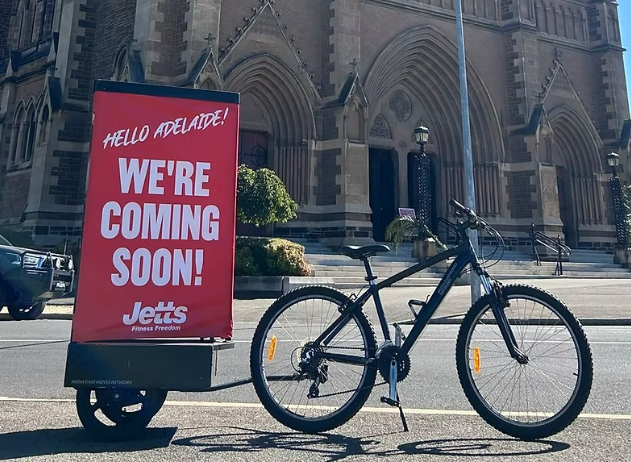
Outdoor advertising has always been about visibility, movement, and memorability. In crowded cities where audiences are constantly on the move, brands need formats that cut through noise without feeling intrusive. That’s why bike billboards are gaining traction as one of the most creative and efficient forms of mobile out-of-home advertising. By combining portability, street-level exposure, and eye-catching design, bike billboards help businesses reach consumers where traditional ads often fail.
Unlike static billboards that rely on fixed locations, bike billboards travel through neighborhoods, events, shopping districts, and high-footfall streets. This mobility allows advertisers to meet their target audience directly, increasing impressions and improving brand recall in a short time frame.
What Are Bike Billboards and Why They Work
Bike billboards are bicycles equipped with large advertising panels or trailers that display branded messages. Riders follow pre-planned routes or high-traffic areas, ensuring consistent exposure throughout the day. Because these ads operate at eye level and move slowly through crowds, pedestrians and drivers naturally notice them.
Research in out-of-home advertising shows that mobile formats often generate higher engagement than static displays. People tend to look longer at moving objects, especially in urban environments. This makes bike billboards particularly effective for delivering short, bold messages that stick. Their presence feels less like traditional advertising and more like part of the cityscape, which reduces ad fatigue.
Another advantage is flexibility. Campaigns can be adjusted daily based on weather, events, or audience density. This level of targeting is difficult to achieve with fixed placements.
Creative Design Strategies That Capture Attention
Creativity is central to the success of bike billboards. Since space is limited compared to large roadside billboards, brands must focus on clarity and impact. Strong visuals, concise messaging, and high-contrast colors work best.
Minimalist design tends to outperform cluttered layouts. A clear headline, recognizable logo, and one strong call-to-action can make the message memorable within seconds. Some brands enhance creativity with 3D elements, interactive QR codes, or illuminated panels for evening visibility.
Seasonal themes and localized messaging also improve engagement. For example, promoting a weekend sale near shopping streets or advertising food delivery services near lunchtime hotspots increases relevance and response rates.
Speed, Targeting, and Cost Efficiency
One of the biggest benefits of bike billboards is how quickly they generate exposure. Because they move through multiple areas in a single day, they can deliver thousands of impressions across different audience segments. This fast coverage makes them ideal for product launches, event promotions, and short-term campaigns.
They are also highly targetable. Brands can choose routes based on demographics, foot traffic data, or event schedules. Want to reach university students, festival attendees, or commuters? Bikes can be directed exactly where those audiences gather.
Cost efficiency is another key advantage. Compared to large-format billboards or digital screens, bike billboards require lower production and placement costs. This makes them accessible for small and medium businesses that want professional outdoor advertising without major budgets.
Sustainability and Brand Perception
Modern consumers increasingly value sustainability, and eco-friendly marketing choices can positively influence brand perception. Bike billboards align well with this trend because they rely on human-powered transportation rather than fuel-driven vehicles.
Using bicycles reduces emissions and noise pollution, making campaigns more environmentally responsible. For brands that emphasize green values, this format reinforces authenticity and builds trust with audiences. It also allows advertisers to access pedestrian zones where cars cannot operate, increasing reach in busy city centers.
Real World Applications and Results
Many industries benefit from bike billboard campaigns. Retailers use them to drive foot traffic to nearby stores. Tech companies promote app downloads with QR codes. Event organizers use them to guide people to venues. Food and beverage brands distribute samples alongside their mobile displays.
These campaigns often lead to immediate action because the advertising appears close to the point of purchase. Consumers can see the message and respond right away, whether that means entering a shop, scanning a code, or visiting a website.
Conclusion
Creative bike billboards combine mobility, affordability, and high visibility to deliver fast and measurable results. For businesses looking to increase local exposure and connect directly with audiences in busy urban spaces, bike billboards offer a practical and innovative solution, especially when integrated into broader strategies such as billboard advertising in Sydney. Their ability to move through targeted locations, attract attention with smart design, and support sustainable marketing makes them a powerful tool for modern brands.
 David Martinez