

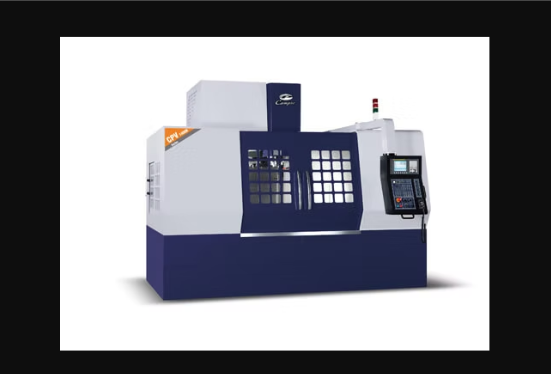
Modern manufacturing demands precision, speed, and adaptability across diverse production environments. To meet these expectations, vertical machining centers play a critical role in supporting complex milling operations with repeatable accuracy. These machines are engineered to handle high-speed cutting, tight tolerances, and evolving material requirements while maintaining operational stability. As industries pursue leaner workflows and smarter automation, manufacturers increasingly rely on advanced machining solutions to stay competitive. From aerospace components to industrial tooling, high-performance systems improve throughput, reduce scrap, and enhance surface quality. Understanding how these machines function and where they add value helps decision-makers invest in technology that supports growth.
Understanding Vertical Machining Centers in Modern Manufacturing
Vertical machining centers are computer-controlled milling machines where the spindle is oriented vertically, allowing precise material removal across multiple axes. In production environments, vertical machining centers are widely used because they offer excellent visibility, efficient chip evacuation, and flexible tooling configurations. These characteristics make them ideal for producing complex geometries, intricate pockets, and fine surface finishes. Their ability to perform drilling, tapping, and contouring within a single setup reduces part handling and increases overall process consistency, which is essential for high-volume and high-precision manufacturing.
High-Performance Capabilities That Drive Efficiency
High-performance machining is defined by speed, accuracy, and reliability under continuous operation. Modern vertical machining centers are designed with rigid castings, high-torque spindles, and advanced control systems to maintain precision at elevated feed rates. When vertical machining centers operate with thermal stability and vibration control, manufacturers can achieve tighter tolerances while minimizing tool wear. This performance advantage directly translates into faster cycle times, reduced downtime, and improved part quality, all of which support cost-effective production.
Flexibility Across Materials and Applications
Manufacturers today work with a wide range of materials, including aluminum, steel, composites, and high-temperature alloys. High-performance vertical machining centers are engineered to handle this diversity without compromising accuracy. By integrating adaptive controls and intelligent tool management, vertical machining centers can switch between materials and part designs efficiently. This flexibility is particularly valuable for contract manufacturers and job shops that must respond quickly to changing customer requirements while maintaining consistent output standards.
Automation and Smart Manufacturing Integration
As smart manufacturing becomes a strategic priority, vertical machining centers are increasingly integrated with automation systems such as pallet changers, robotic loading, and real-time monitoring software. These integrations allow machines to run unattended for extended periods, improving productivity and reducing labor dependency. Within automated cells, vertical machining centers provide the precision backbone needed for lights-out manufacturing. Data connectivity also enables predictive maintenance and performance optimization, helping manufacturers make informed decisions and avoid unexpected downtime.
Precision, Consistency, and Quality Control
Quality control is a critical consideration in industries where component failure is not an option. High-performance vertical machining centers support in-process probing and measurement systems that verify dimensions during machining. By maintaining consistent tool paths and spindle performance, vertical machining centers help manufacturers achieve repeatable accuracy across large production runs. This consistency reduces rework, enhances customer confidence, and supports compliance with strict industry standards.
Choosing the Right Vertical Machining Center
Selecting the right machine requires evaluating production volume, part complexity, material types, and future scalability. Factors such as spindle speed, axis travel, control software, and service support all influence long-term value. When manufacturers align machine capabilities with operational goals, vertical machining centers become strategic assets rather than simple production tools.
Conclusion
High-performance vertical machining centers are essential for manufacturers seeking precision, efficiency, and adaptability in demanding production environments. Their ability to integrate automation, handle diverse materials, and deliver consistent quality makes them a cornerstone of modern machining strategies. When combined with complementary technologies such as a CNC turning center, manufacturers can build balanced, flexible production lines that address both milling and turning requirements. Investing in the right machining solutions ultimately strengthens productivity, reduces operational risk, and supports sustainable manufacturing success.
 David Martinez