

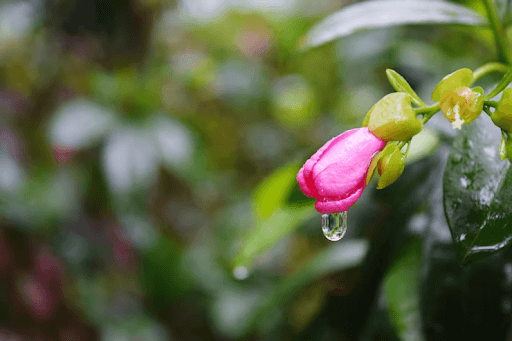
There is something deeply magical about the Indian monsoon — the smell of wet earth after the first rain, the sound of rain on rooftops, the sudden burst of green that transforms dry landscapes overnight. For plant lovers, the monsoon is not a challenge to endure but a season to celebrate. This guide covers the best rainy season plants for Indian gardens, what makes a monsoon plant tick, and which blooms to expect during the rainy months.
What Are Monsoon Flowers?
Monsoon flowers are plants that bloom primarily during or immediately after India’s monsoon season (June through September). Unlike spring blooms that depend on warmer temperatures and longer daylight hours, monsoon flowers are triggered by the combination of rainfall, high humidity, and slightly reduced sunlight that the rainy season brings.
Some monsoon flowers are annuals that complete their entire lifecycle within the rainy season. Others are perennials that bloom seasonally but continue to grow year-round.
Which Plants Grow in the Monsoon?
The monsoon is one of the most productive growing seasons in India. The combination of regular rain, high humidity, and moderate temperatures (typically 25–35°C) creates ideal growth conditions for a wide range of plants.
Foliage plants that thrive in monsoon:
Colocasia (Taro/Elephant Ear): Its enormous heart-shaped leaves seem to double in size during the monsoon, drinking up the rain with visible enthusiasm. A dramatic addition to any garden.
Ferns: Boston ferns, maidenhair ferns, and bird’s nest ferns reach their peak beauty during the monsoon, when the humidity they love is naturally provided.
Impatiens (Busy Lizzies): These shade-loving flowering annuals bloom prolifically during the monsoon, producing a continuous carpet of pink, red, and white flowers.
Caladiums: Their spectacular coloured leaves — in shades of pink, red, white, and green — are at their most vivid in monsoon humidity.
Buying a monsoon plant online during the season means you receive plants that are already acclimatized to current conditions and ready to grow immediately.
What Flowers Bloom in the Monsoon?
The Indian monsoon is associated with a rich array of flowering plants:
Plumeria (Champa/Frangipani): One of India’s most beloved flowers, plumeria continues to bloom through the monsoon season, filling gardens with its distinctive fragrance.
Crinum Lily: A dramatic bulb plant that produces clusters of large, trumpet-shaped white or pink flowers in response to the monsoon’s arrival. It is sometimes called the “monsoon lily” because of its seasonal flowering pattern.
Spider Lily (Hymenocallis): Produces intricate, spider-like white flowers during and immediately after the monsoon. It naturalizes readily in Indian gardens.
Monsoon Jasmine (Hedychium): Several ginger lily varieties bloom during the monsoon with fragrant white or yellow flowers.
Balsam (Garden Balsam): A classic monsoon annual with jewel-like pink, red, and purple blooms that self-seed freely in garden beds.
Globe Amaranth: A drought- and rain-tolerant annual that produces cheerful pompom-like blooms throughout the monsoon.
Rainy season flowering plants can be ordered online and delivered to your door during the monsoon season — many online platforms stock seasonal monsoon specials.
Which Plants Grow in Heavy Rainfall?
Not all plants handle the intense downpours of the Indian monsoon equally. Those best suited to heavy rainfall share key characteristics: they either enjoy moist conditions or have excellent drainage adaptations that prevent root rot.
Plants that thrive in high rainfall:
- Taro (Colocasia): Loves waterlogged conditions in nature
- Lotus: Requires standing water to grow
- Reed Grasses and Bamboo: Vigorous rain-season growers
- Impatiens: Blooms happily in consistently moist, shaded soil
- Peace Lily: Does well in high humidity and moderate moisture
- Hibiscus: Produces its most prolific bloom during and after monsoon rain
Plants to protect from heavy rainfall:
- Succulents and Cacti: Must be moved under cover during heavy rain to avoid root rot
- Roses: Heavy rain encourages fungal diseases; ensure good air circulation
- Herbs (especially Mediterranean varieties): Rosemary, lavender, and thyme dislike waterlogged soil
Rainy Season Flowers in India — Regional Variation
India’s monsoon is not uniform — the Kerala coast receives rain from June, while Rajasthan’s monsoon arrives later and is shorter. Regional differences affect which monsoon plants perform best:
Coastal regions (Kerala, Goa, coastal Maharashtra): High humidity and rainfall suit tropical plants — aroids, heliconias, gingers, and ferns are in their element here.
North India (Delhi, UP, Punjab): The monsoon is intense but shorter. Focus on plants that bloom fast and drain well: marigold, zinnia, globe amaranth, and cosmos.
Deccan Plateau (Bangalore, Hyderabad, Pune): Moderate monsoon with well-draining soils — ideal for impatiens, caladiums, and flowering shrubs like ixora and hibiscus.
Northeast India: Receives the highest rainfall in the world. Tropical and subtropical plants thrive here with virtually no irrigation needed.
Coloured Leaves Plants with Names in India
Beyond flowers, some of the most striking monsoon garden plants are known for coloured foliage rather than blooms:
- Caladium: Spectacular heart-shaped leaves in red, pink, white, and green combinations
- Coleus: Vibrantly patterned leaves in almost every colour imaginable
- Copper Leaf (Acalypha): Rich copper and burgundy foliage
- Begonia (Rex): Extraordinary leaf patterns in silver, red, and bronze
- Purple Heart (Tradescantia): Striking deep purple foliage and small pink flowers
These plants can be bought as monsoon plants online and add colour and drama to shaded garden beds, balconies, and containers throughout the rainy season.
Conclusion
The Indian monsoon transforms the natural world in the most spectacular way — and your garden or balcony should be part of that transformation. Whether you are drawn to the fragrant blooms of plumeria and jasmine, the dramatic foliage of colocasia and caladiums, or the cheerful carpet of impatiens, the monsoon season offers more gardening possibilities than any other time of year. Embrace the rain, choose your plants wisely, and let the monsoon do the work.
 David Martinez