

Industrial rubber and elastomer finishing operations depend on cutting tools capable of handling repeated wear while maintaining consistent surface quality. Tungsten carbide grinding wheels have become a preferred solution for these demanding applications, offering significantly longer service life compared to conventional abrasive alternatives. This article explains how these tools function, why they outperform standard abrasives, and where they are most commonly applied.
Why This Material Excels in Grinding
Tungsten carbide is prized in industrial grinding applications for its exceptional hardness and resistance to wear, allowing tools coated with this material to maintain sharp cutting edges far longer than standard abrasive grains. Wheels built with brazed carbide cutting teeth deliver faster stock removal while producing consistent finishes across repeated use cycles. This durability translates directly into fewer tool changes and reduced downtime during extended production runs. The combination of hardness and precision-machined tooth design makes this material particularly effective for grinding rubber and other elastomer materials.
Construction and Design Features
Wheels made with tungsten carbide typically start with precision-machined steel forms, which are then coated with specialized carbide coatings designed for long-wearing performance. Sharp teeth are shaped specifically to provide fast penetration into the material while allowing unrestricted flow of grinding chips and dust away from the wheel during operation. Many of these wheels come pre-dressed, maintaining rapid material removal capability right out of the box while still producing a desirable finish on elastomer surfaces. This engineered approach to tooth geometry directly contributes to both cutting efficiency and finish quality.
Single, Dual, and Triple Grit Configurations
Wheels used for cylindrical traverse grinding are generally available in three configurations, each suited to different stages of a finishing process. Single-grit tungsten carbide wheels feature one coating type or size and are most often used for finish grinding or light regrinding tasks where minimal material removal is needed. Dual- and triple-grit wheels combine coarser hogging teeth along the outer edge with finer teeth positioned to handle rough and finish grinding in a single pass. Selecting the appropriate configuration depends on whether the application requires aggressive stock removal, fine finishing, or a combination of both in sequence.
Common Industrial Applications
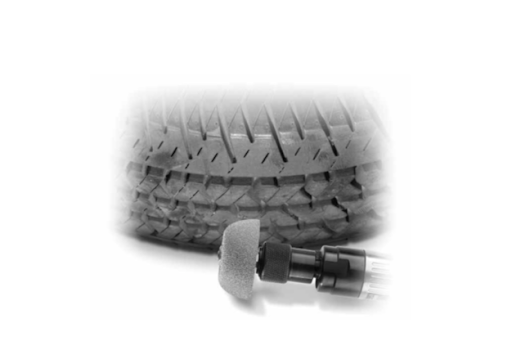
Beyond rubber roller finishing, tungsten carbide buffing tools see extensive use in tire repair operations, where they efficiently remove rubber material during patching and grinding procedures. Tire buffing wheels made with this material are rated for high rotational speeds, though manufacturers typically recommend more conservative operating speeds to avoid thermal damage to the material being worked. Buffing discs using this coating are also applied to roughen rubber and fabric surfaces, increasing bonding effectiveness during subsequent repair or manufacturing steps. This versatility across tire repair, roller grinding, and fabric preparation demonstrates the broad industrial value of carbide-coated tooling.
Performance Compared to Standard Abrasives
Wheels coated with tungsten carbide can offer a service life as much as hundreds of times longer than conventional abrasive wheels used for similar rubber grinding tasks. This extended durability comes from the material’s resistance to the heat and friction generated during repeated grinding cycles, which would otherwise degrade standard abrasive grains more quickly. Reduced tool replacement frequency also lowers overall operating costs for shops running high-volume grinding operations. This performance advantage explains why many industrial operations have shifted away from purely abrasive-based tooling for demanding elastomer finishing work.
Maintenance and Handling Considerations
Proper mounting and balancing of any grinding wheel before operation helps reduce vibration-related equipment damage and supports operator safety throughout the grinding process. Manufacturers typically specify maximum safe operating speeds for tungsten carbide tooling, and exceeding these limits can compromise both tool performance and safety. Wearing appropriate eye protection remains essential during operation, given the fine particulate generated during rubber and elastomer grinding tasks. Following manufacturer guidelines for speed and inspection helps extend tool life while maintaining a safe working environment.
Comparing to Rubber-Based Alternatives
While carbide-coated tools excel at aggressive material removal and long-term durability, a rubber buffing wheel offers a different finishing approach suited to achieving smoother, more polished surface results. These rubber-bonded tools flex slightly during contact with the workpiece, which can help distribute pressure evenly across curved or irregular surfaces. Many finishing workflows combine both tool types in sequence, using carbide tooling for initial rough grinding before transitioning to rubber-based wheels for final polishing. Understanding how these tools complement one another allows shops to build a more efficient, multi-stage finishing process suited to specific material and quality requirements.