

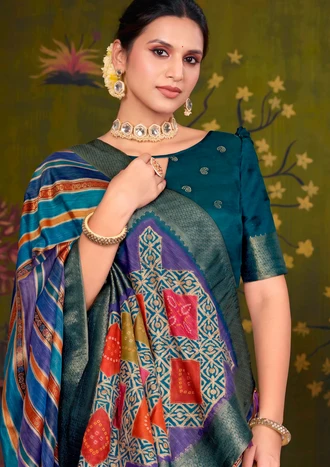
Some outfits are simply worn. Others are remembered long after the music stops: the way a sleeve caught the light, how a skirt swirled during the first dance, or the quiet rustle of silk as you walked into the room. The difference rarely comes down to price or even design. It comes down to three practical choices that many shoppers overlook until they’re standing in front of a mirror. With so many Indian wear dresses available today, understanding occasion, fabric, and fall will help you pick something that looks spectacular and feels effortless.
Start With the Occasion
The event decides almost everything, so begin there. Indian celebrations are rarely a single event, and each one has its own mood.
- Wedding ceremonies: typically call for richer fabrics, deeper colors, and more elaborate embroidery. Check family customs, since some traditions avoid certain colors at certain ceremonies.
- Haldi and mehendi: relaxed, joyful and often outdoors, so lighter fabrics and brighter, playful colors work well.
- Sangeet and cocktail evenings: these invite drama, such as flared lehengas, sequins and dramatic dupattas, as long as you can still dance comfortably.
- Festivals like Diwali and Eid: a balance of festive sparkle and comfort for long family gatherings.
- Everyday and workplace wear: soft cotton, linen blends and simple cuts that survive a full day.
- Fusion events: formal European galas and dinners welcome Indian silhouettes with cleaner lines and restrained detailing.
Ask yourself how long you’ll be wearing it, whether you’ll be sitting, standing or dancing, and whether the venue is indoors or out. The answers narrow your options quickly.
Fabric: The Foundation of Comfort and Look
Fabric affects how an outfit looks, feels, and behaves over several hours. When comparing Indian wear dresses, it helps to know the character of the common materials:
- Silk: luxurious sheen and rich texture, ideal for weddings and formal events. It can feel warm and needs careful care.
- Georgette: lightweight and slightly crinkly, with a soft flow. A favorite for sarees, gowns, and layered dupattas.
- Chiffon: sheer, airy and delicate, lovely for summer celebrations, though it can snag.
- Organza: crisp and structured, holding volume well in sleeves and skirts.
- Cotton and cotton blends: breathable and easy to wear, perfect for daytime and casual events.
- Velvet: warm, deep and dramatic, an excellent choice for winter weddings in cooler climates.
- Banarasi weaves: heavy, ornate and traditional, often chosen for ceremonial looks.
Remember the season and climate too. A heavily embroidered silk lehenga may be glorious in an air-conditioned banquet hall but exhausting at a summer garden party. Also consider the weight of the embellishment. Zardozi and heavy beadwork add beauty but also real weight, so check how it feels on the shoulders and waist.
Fall: The Secret Behind a Graceful Silhouette
In fashion, “fall” describes how fabric hangs and moves on the body. It’s the reason two dresses with similar designs can look completely different once worn. Fabrics with a fluid fall, such as georgette and soft crepe, cling lightly and move with you. Stiffer fabrics like organza and heavy brocade hold their shape and create structure. Neither is better. They simply create different effects, so match the fall to the look you want.
Fall also depends on construction. Panels, gathers, flare, and lining all change how a garment drapes. A well-cut skirt with enough flare will swing beautifully, while the same fabric cut narrowly may look flat. Test fall in person when you can: hold the fabric up and let it hang, then watch how it moves. Online, look for videos, descriptions of weight, and customer photos.
Fall is especially important in draped outfits. Take the half saree, a traditional South Indian three-piece outfit for young girls and teenagers. It consists of a long skirt, a fitted blouse, and a separate scarf draped like a saree. The scarf’s fall determines how elegantly it drapes across the shoulder and waist, so lightweight silks and soft fabrics often work best.
Putting the Three Together
Think of occasion, fabric and fall as a simple checklist:
- Occasion: What is the event, how formal is it and how long will you be there?
- Fabric: Does the material suit the season, your comfort, and the level of formality?
- Fall: Does the drape give you the shape and movement you want?
- Embellishment: Is the detailing in proportion to the event and the fabric’s weight?
- Fit: Does it allow you to sit, walk, and dance with ease?
If an outfit passes all five, you’ve likely found a winner.
Care and Climate
Luxurious fabrics need thoughtful care. Embroidered or silk pieces generally benefit from professional dry cleaning and should be stored in breathable garment bags away from direct sunlight. In cooler climates, layer sensibly with a shawl or jacket that complements the outfit, instead of covering it with a heavy coat that crushes the fabric.
Shopping Smart for Indian Outfits Online
Buying from a screen takes a little extra care, but it’s easy with a few habits. When browsing Indian outfits online, look for:
- Detailed size charts with real measurements, not just S, M, and L.
- Clear fabric descriptions, including lining and weight.
- Multiple photos and, ideally, close-ups of embroidery.
- Information about shipping times, customs charges, and return policies.
- Reviews that mention fit and color accuracy.
Retailers such as Riwaaz, which serves customers across Germany and Europe, publish size guides and shipping details that make comparing options easier. If you’re between sizes, contact customer support before ordering.
Conclusion
Choosing a great Indian dress is less about following trends and more about making three thoughtful decisions. Let the occasion set the tone, choose a fabric that suits the season and your comfort, and pay attention to how it falls on the body. Add a good fit and sensible care, and the outfit will look as good in the last hour of the event as in the first. When you’re ready to shop, take your time with Indian outfits online, check the measurements and details carefully, and choose pieces you’ll enjoy wearing again and again.
Riwaaz is a Germany-based online boutique offering Indian and South Asian ethnic wear for women and men across Europe. They provide sarees, lehengas and dresses in carefully chosen fabrics, along with size guides and reliable European shipping, helping customers choose outfits for every celebration.
 Sally
Sally