

A familiar badge does not mean two cars serve the same buyer. The Maruti Suzuki Tour S is a sedan positioned for commercial passenger transport, while most private owners compare hatchbacks, compact SUVs and the retail Dzire. A useful Maruti Suzuki cars price comparison begins with that distinction. The cheapest sticker price might not represent the most suitable vehicle for a household, and a fleet purchase brings different registration and operating requirements.
A commercial sedan is a different kind of purchase
The Tour S uses a 1.2-litre petrol engine and is available with petrol or factory-fitted CNG. Maruti Suzuki lists certified efficiency of 26.06 kmpl for petrol and 34.30 km/kg for CNG. Those are laboratory figures, not promises of daily returns. The manufacturer also identifies a speed-limiting function, which matters when the vehicle is used for regulated passenger services. A private family may prefer the features and unrestricted use associated with a retail passenger car.
The Maruti Suzuki Tour S price needs to be assessed alongside the intended registration category. Commercial permits, fitness requirements, passenger-use insurance and local taxes can alter the overall commitment. Requirements differ by state and operating activity. Buyers should confirm the vehicle’s intended registration and commercial compliance before treating an ex-showroom quotation as a complete budget.
Where the Tour S sits among other models
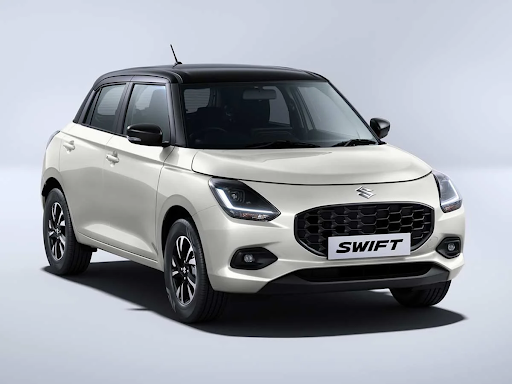
A Maruti Suzuki cars price list contains models with noticeably different body styles and levels of equipment. The Alto K10 targets low-cost urban mobility, the Swift suits buyers seeking a more versatile hatchback, and the Dzire offers a sedan configuration aimed at private ownership. The Brezza belongs to another budget and size category. Their prices should be compared at equivalent transmission and fuel choices rather than by base-model headlines alone.
| Model or group | Main buying purpose | Important comparison point |
|---|---|---|
| Tour S | Commercial passenger service | Permits and duty-cycle costs |
| Alto K10 | Compact private commuting | Parking ease and purchase budget |
| Swift | Everyday hatchback | Cabin use and equipment |
| Dzire | Private-use compact sedan | Comfort, trim and personal ownership |
These categories are a starting point, not a ranking. The Tour S and Dzire may share a broad sedan concept, yet their equipment packages and usage conditions need not be interchangeable. Request separate quotations for the exact engine, gearbox and trim.
Why ex-showroom price is not the final bill
The Maruti Suzuki Tour S price shown by an authorised seller may exclude registration, insurance and charges that apply at delivery. A commercial vehicle could also require operational expenses before its first paid trip. CNG buyers should ask about filling access, cylinder inspection requirements and how luggage space works with the installed system. Petrol customers avoid a CNG network dependency but face different running-cost calculations.
A Maruti Suzuki cars price comparison should therefore use the same cost basis for every candidate. Ask for ex-showroom figures on the same date and in the same city, then prepare a separate on-road estimate. Optional accessories, extended cover and dealer packages should be identified individually. Never confuse an optional item with a mandatory government charge.
Fuel savings depend on the work being done
High-mileage operations can make CNG attractive where reliable pumps exist. However, the published 34.30 km/kg for the Tour S is a certified measurement under prescribed conditions. Traffic, full passenger loads, air conditioning and route gradients change actual consumption. A driver covering long daily distances will also experience more wear on tyres, brakes and suspension than a car used for short household journeys.
For an illustrative fleet with two drivers, availability during maintenance can matter more than a small upfront price difference. A service appointment that removes a vehicle from work has an indirect business cost. By contrast, someone buying one car for school runs may value rear-seat comfort, parking convenience and an automatic gearbox more heavily than commercial durability.
Consider ownership and resale conditions
The resale audience for a used commercial sedan may be different from that for a private hatchback. Buyers should consider odometer use, service records and permit status rather than assuming similar depreciation. Lending arrangements and insurance declarations should accurately reflect the vehicle’s registered use. A personal-use insurance policy is not a substitute for cover appropriate to commercial activity.
When comparing the Maruti Suzuki Tour S price with a retail model, also ask whether the selected vehicle can legally and practically fulfil the planned purpose. A cheaper commercial variant may bring equipment compromises a family notices every day. Conversely, spending more on a premium trim may not improve revenue for an operator who needs reliable, straightforward transport.
For a working vehicle, downtime should be included in the annual operating plan. Ask which service centres can accept appointments near the intended route and whether common replacement parts are readily available. An operator who depends on one car for daily income may value predictable workshop access more than a minor difference in showroom equipment.
Make the shortlist around actual use
Begin with a written list of passenger count, annual kilometres, fuel availability and registration needs. Check the current Maruti Suzuki cars price schedule and obtain itemised dealer quotations for matching choices. Sit in the back seat, inspect luggage space and ask which features are standard on the exact version. A buyer who separates business requirements from household preferences can choose a better-fit vehicle without relying on the lowest advertised figure.