

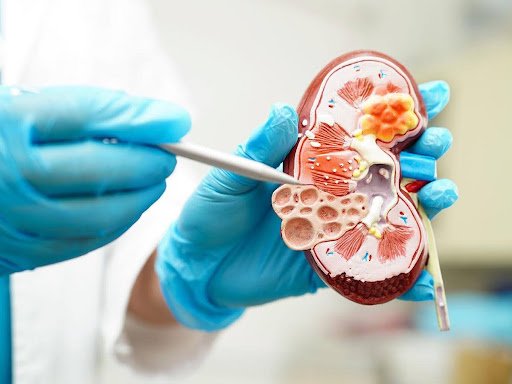
Kidney stones can cause sudden pain, but not every stone requires surgery. With different treatment options available, it can be confusing to know which approach is suitable. However, if you’re a resident of Mumbai, the city has urology centres that provide medical care and stone-removal procedures. The choice of kidney stone treatment in Mumbai depends on the stone’s size, location and symptoms. Understanding the available treatments and recovery process can help patients discuss suitable options with their urologist.
What Treatment Options Are Available for Kidney Stones?
Doctors may recommend different approaches to kidney stones after assessing the patient’s symptoms and test results. These include:
- Medical Management: Small stones may pass on their own with appropriate monitoring and guidance.
- Shock Wave Lithotripsy: Sound waves break suitable stones into smaller fragments that pass through urine.
- Laser Lithotripsy: A laser breaks stones into fragments during a procedure performed through the urinary tract.
- Percutaneous Nephrolithotomy: Doctors remove larger or complex stones through a small opening in the back.
Each approach serves a particular purpose, making individual assessment an important part of treatment planning.
How Does Laser Kidney Stone Surgery Work?
Laser kidney stone surgery commonly involves ureteroscopy, where a urologist passes a thin instrument through the urethra and bladder into the urinary tract. A laser then breaks the stone into smaller fragments for removal or to pass naturally in the urine.
The procedure usually takes place under anaesthesia. Depending on the stone’s position and the condition of the urinary tract, the doctor may place a temporary ureteric stent to support urine drainage. Patients receive individual instructions regarding stent removal and follow-up care.
What Are the Benefits of Laser Surgery Compared with Traditional Treatment?
Laser surgery fragments stones precisely through the urinary passage. Its benefits become clearer when compared with other procedures:
| Factor | Laser Surgery | Traditional Approaches |
| Access | Through the urinary passage | External waves or a surgical opening |
| Stone Removal | Direct fragmentation and extraction | Fragmentation or surgical removal |
| Hospital Stay | Often same-day or overnight | Varies with procedure |
| Recovery | Usually relatively quick | Depends on treatment |
| Suitability | Selected kidney and ureteric stones | Based on stone characteristics |
Laser treatment may clear stones faster than shock wave treatment in selected cases, while PCNL remains important for larger stones.
What Can Patients Expect During Recovery?
Recovery after laser kidney stone surgery varies with the procedure and individual health. Patients may experience temporary urinary discomfort, mild bleeding or increased urinary frequency. Many resume routine activities within several days, following their doctor’s guidance and recovery instructions.
Recovery after shock wave treatment is often brief, while PCNL generally requires a longer healing period. Follow-up imaging helps assess stone clearance. Fever or chills, severe pain or difficulty passing urine after a procedure require urgent medical advice.
How Do Doctors Choose the Right Kidney Stone Treatment?
Doctors providing Kidney Stone Treatment in Mumbai assess each patient’s condition before recommending an approach. Important considerations include:
- Stone Size: Larger stones may require procedures designed for removing greater stone volumes.
- Stone Location: The position within the kidney or ureter influences access and treatment selection.
- Kidney Function: Medical tests help doctors assess urinary drainage and overall kidney health.
- Patient Health: Existing medical conditions and previous procedures influence treatment planning.
These findings help the urologist select an approach suited to the patient’s clinical needs.
What Should Patients Know Before Undergoing Treatment?
Before treatment, patients usually undergo imaging and relevant laboratory tests to assess their condition. The urologist explains the recommended procedure, anaesthesia, expected outcomes and possible complications. This discussion helps patients understand the treatment plan and provide informed consent.
Patients can also ask about hospital stay, recovery time, follow-up appointments and whether further treatment may be needed. To understand better, analyse the expert approach of dedicated facilities at hospitals like Nanavati Max Super Speciality Hospital. They have dedicated kidney stone clinics where urologists and nephrologists work together to assess the condition and recommend suitable treatment options.
Conclusion
Laser surgery is a minimally invasive option for certain kidney stones, while other treatments may be more suitable depending on the stone’s size and location. A urologist can explain the available options, expected recovery time and possible risks to help patients choose the right treatment for their condition. Recovery varies from person to person, so follow your doctor’s advice and attend follow-up appointments. Regular check-ups can also help identify any remaining stones and reduce the risk of future problems.