

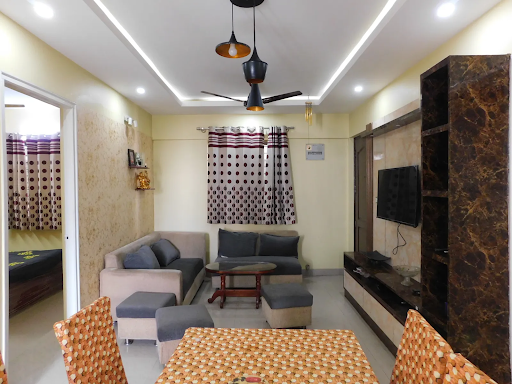
A home decision affects more than your monthly budget. It shapes daily routines, savings, and future flexibility. In Bangalore, the choice can be more complex because a property lease may involve a large refundable deposit instead of regular monthly rent.
People comparing apartments for rent in Bangalore should understand this local arrangement before committing their savings. Standard rentals, deposit-based leases, and purchases involve different costs, responsibilities, and risks. Knowing how each works helps you choose an arrangement that suits your plans.
Comparing Home Choices Against Your Long-Term Plans
Renting, deposit leasing, and buying serve different purposes. Your available funds, expected stay, and need for flexibility can guide the decision.
1. Renting Through Monthly Payments
A standard rental involves paying an agreed amount each month, usually along with a refundable security deposit. It may suit professionals, students, and families whose circumstances could change. The agreement should explain rent, deposit, notice period, maintenance duties, and deductions. This option requires less upfront capital than a deposit lease, although monthly payments continue throughout the stay.
2. Understanding Bangalore’s Deposit-Based Lease System
Bangalore has a residential arrangement commonly called a deposit lease or long-term lease. Instead of paying monthly rent, the tenant gives the owner a substantial lump-sum deposit for an agreed period, often two or three years. Monthly rent may not be payable, but maintenance, electricity, and water charges can remain the tenant’s responsibility.
3. Buying For Long-Term Stability
Buying may suit households planning to remain in one location for several years. Ownership involves a down payment, loan repayments, stamp duty, registration charges, property tax, maintenance, and repairs. Calculate the complete cost rather than relying only on the advertised price. Buyers must also review ownership records, approvals, and the seller’s authority to transfer the property.
4. Matching The Arrangement To Your Life Stage
A professional who may relocate could prefer monthly renting, while someone with substantial savings and a stable work location may consider a deposit lease. Families planning to settle permanently may evaluate buying. Consider your emergency savings, expected duration of stay, and ability to manage unexpected expenses before choosing.
Understanding Bangalore’s Deposit Lease Terms And Risks
A deposit lease needs a different financial assessment from an ordinary rental. The refund conditions and agreement terms deserve particular attention.
1. Evaluating The Lump-Sum Deposit
The tenant pays a large amount at the beginning of the agreed tenure. The deposit is generally intended to be returned when the tenant vacates, subject to deductions specified in the agreement. This arrangement ties up substantial money for the duration of occupancy. Consider the opportunity cost and avoid committing funds needed for emergencies. The owner receives access to the deposit during the lease period.
2. Exploring Flats For Lease In Bangalore
When comparing flats for lease in Bangalore, consider the deposit amount alongside the property’s location, condition, and facilities. Look at metro connectivity, road access, water supply, power backup, parking, and nearby essential services. Also confirm whether maintenance, electricity, and water charges are included or payable separately. A suitable property should meet your daily requirements while keeping the total financial commitment manageable.
3. Confirming The Refund Conditions
The agreement should state the exact deposit, payment method, lease duration, and refund timeline. It should explain permitted deductions for unpaid bills or property damage. Take dated photographs before moving in and record the condition of fixtures and appliances. Both parties should retain payment acknowledgements and a signed agreement to reduce the possibility of disputes.
4. Reviewing Registration And Stamp Duty Requirements
The legal form of the agreement matters, particularly when a large deposit is involved. Under Section 17 of the Registration Act, 1908, leases from year to year or for a term exceeding one year generally require registration. Stamp duty is separate under applicable state law. In Karnataka, review the relevant provisions of the Karnataka Stamp Act, 1957, before signing. Seek local legal guidance rather than relying on a notarised document or standard rental template.
Evaluating Ownership Costs And Property Suitability Carefully
Buying a home involves a longer financial commitment. Review affordability, property documents, and transaction terms before deciding.
Estimating The Full Purchase Budget
Include these expenses when calculating the amount required:
- Property Price: Account for the agreed purchase amount and applicable taxes.
- Stamp Duty And Registration: Include government charges for recording the transaction.
- Loan Expenses: Compare interest rates, processing fees, tenure, and prepayment conditions.
- Interiors And Moving: Set aside funds for furnishing, repairs, and relocation.
- Society Charges: Account for maintenance deposits and recurring community expenses.
A realistic budget helps prevent financial pressure after possession.
Reviewing Documents And Project Details
Buyers should obtain appropriate legal assistance to review ownership and transaction records. Important checks include:
- Title Records: Confirm the seller’s ownership and legal authority to transfer the property.
- Sale Agreement: Review the payment schedule, possession date, and responsibilities of both parties.
- Encumbrance Certificate: Check available records for registered transactions or liabilities.
- RERA Details: For applicable projects, review registration information and required disclosures.
- Property Tax Records: Check relevant payment records and outstanding dues.
The exact checks depend on the property and transaction. Professional advice can help identify concerns before a substantial payment is made. Homish also supports buyers through property verification, direct owner connections, visits, and transaction coordination, helping them assess options before committing.
Conclusion: Choosing A Home With Greater Financial Clarity
Renting, deposit leasing, and buying can each suit different circumstances. In Bangalore, understand the distinction between monthly rent and a lump-sum lease before committing. Compare the financial commitment, refund conditions, agreement requirements, and expected duration.
For people considering houses for sale in Bangalore, Homish provides property listings, verified property options, direct owner connections, visit coordination, and purchase support. Its purchase fee is 0.25% each from the buyer and seller. The applicable amount is authorised through UPI or E-NACH and blocked when an offer is submitted, without an immediate debit. The fee is debited only when the seller accepts the offer, as per the purchase process.
 Kathie
 Sally